REVIEW · FORT KOCHI
Fort Kochi & Mattanchery 3-Hour Walking Tour
Book on GetYourGuide →Operated by Carnival Tours Kochi · Bookable on GetYourGuide
Old ports tell stories when you walk. This 3-hour Fort Kochi & Mattanchery tour strings together working history and religious architecture you can actually see, from the famous Chinese fishing nets to church interiors and palace murals. I really like the way the route connects trade routes to everyday life, and I also love stopping at St Francis Church, where Vasco da Gama is buried, and the cemetery gives the place extra weight.
I also like that the tour is a private group with an English-speaking guide, so you’re not stuck translating your questions through the crowd. The one drawback to consider is timing: the Paradesi Synagogue and Mattancherry Dutch Palace are closed on Fridays, Saturdays, and Jewish holidays, and one past guest wished they had a bit more time at the Dutch Palace.
In This Review
- Key things you’ll notice on this route
- A focused 3-hour loop through Fort Kochi and Mattanchery
- Chinese Fishing Nets: the Kublai Khan era made practical
- St Francis Church and the Portuguese cemetery that adds weight
- Santa Cruz Basilica: white walls, twin spires, and strong Christian art
- Mattancherry Dutch Palace murals: Portuguese frame, Hindu tales
- Paradesi Synagogue and the shine of details
- Jew Town at the finish: spices in the air
- Price and value: is $30 for a 3-hour private tour worth it?
- The kind of guide that makes this tour work
- Practical tips to make the most of your 3 hours
- Should you book this Fort Kochi & Mattanchery tour?
- FAQ
- How long is the Fort Kochi & Mattanchery walking tour?
- How much does the tour cost?
- Are entrance fees included?
- Is the tour private and does it have an English guide?
- Are the Jewish Synagogue and Mattancherry Dutch Palace open on all days?
- Where do we meet for the tour?
Key things you’ll notice on this route
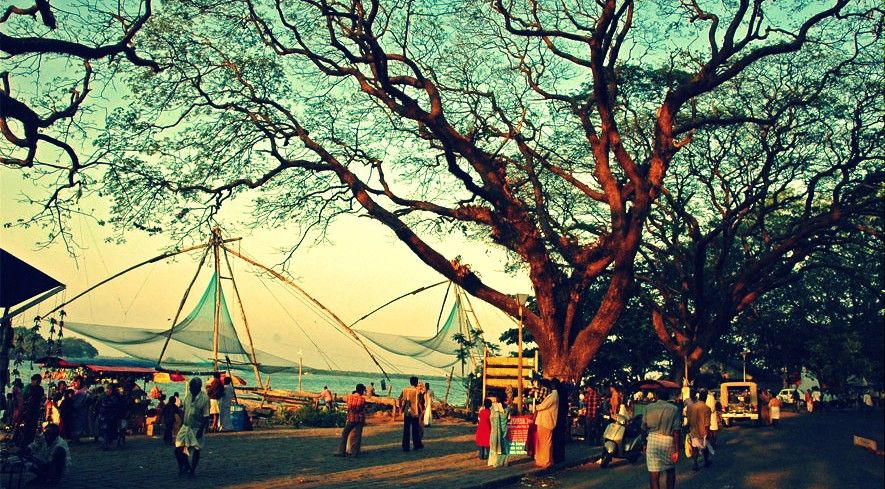
- Chinese Fishing Nets with a 14th-century Kublai Khan connection and still-used today
- St Francis Church (1503) with Vasco da Gama’s resting place and a large Portuguese cemetery
- Santa Cruz Basilica with two spires and interior Christian art
- Mattancherry Dutch Palace (1555) and murals from the Ramayana and Mahabharata
- Paradesi Synagogue details like the brass pulpit, Belgian glass chandelier, and Chinese porcelain tiles
- Jew Town spice lanes where ginger, cardamom, turmeric, and cloves hit your senses at the end
A focused 3-hour loop through Fort Kochi and Mattanchery
This is set up as a compact walking tour, about three hours, built for first-timers and returners alike. You’ll start in Fort Kochi and work your way toward Mattanchery, mixing sight stops with short walks between them. The meeting point is Carnival Tours & Travels, Princess Street, near Shop N Save and opposite Block Prints in Fort Cochin, and you’ll want to be there about 5 minutes early so you can start on time.
Because it’s private, the guide can pace things around what you care about—church art, palace murals, or the synagogue details. It’s also English-led with a live guide, which matters here. These places are layered, and the difference between quick staring and actually understanding what you’re looking at is huge.
If you’re the type who likes to see your destinations and then ask questions, this format is a good match. If you want a slow museum-day, you might feel the time squeeze—especially with indoor stops.
Chinese Fishing Nets: the Kublai Khan era made practical
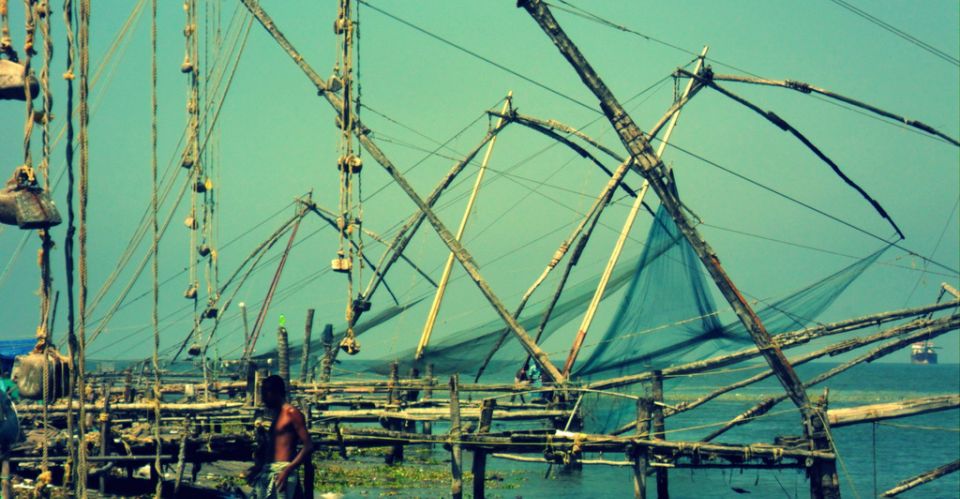
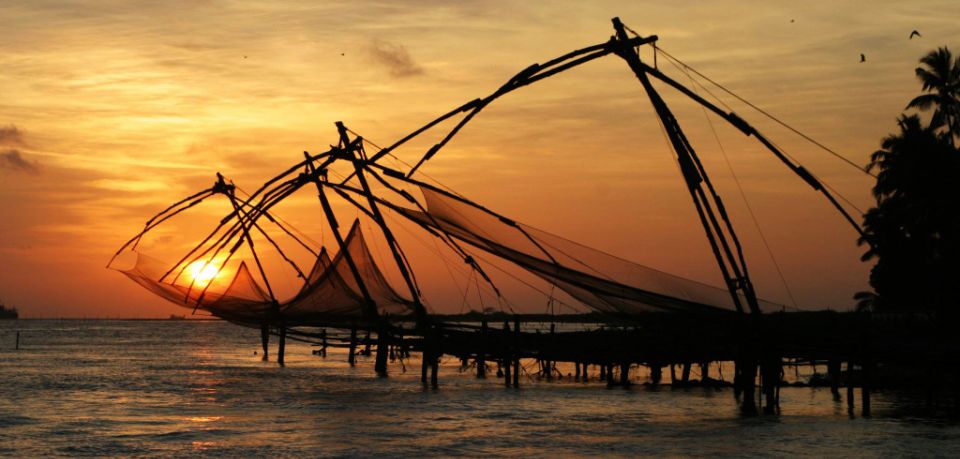
The tour begins at the Chinese fishing nets, a landmark in Fort Kochi for a reason. The nets were introduced by traders connected to the court of Kublai Khan in the 14th century, and Kochi fishermen still use them to earn their livelihoods.
What I like about starting here is that it’s not just a photo stop. It’s a reminder that global history shows up in everyday work. You’re looking at technology that traveled across Asia, got localized, and then stayed because it works.
You’ll also get a sense of how Kochi’s position mattered. Fort Kochi isn’t only about European buildings; it’s also about the long back-and-forth of commerce and culture along the coast. Seeing the nets first sets the tone for the rest of the route—trade links explain why so many communities left their marks here.
St Francis Church and the Portuguese cemetery that adds weight
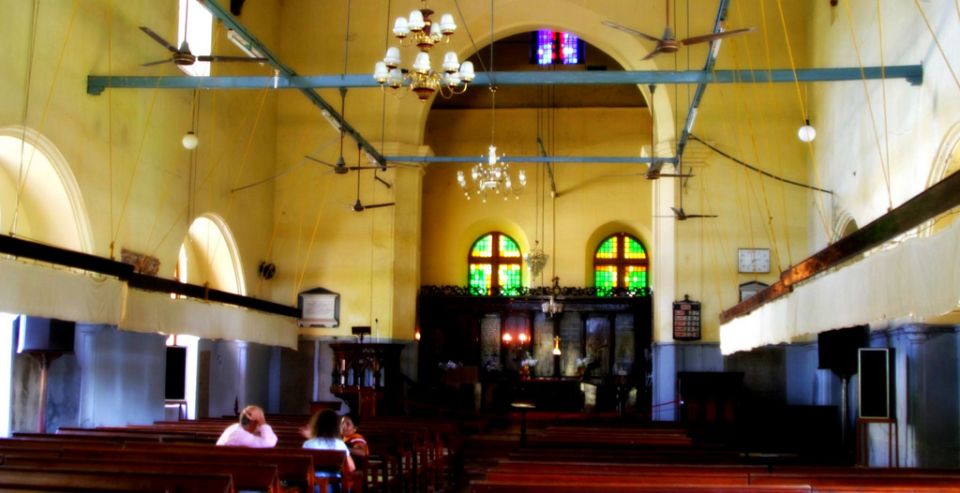
From the nets, the walk turns toward the Portuguese presence in Fort Kochi, starting with St Francis Church. This is described as the oldest European church in India, built in 1503 by Portuguese friars.
Here’s the key detail that gives the stop meaning: the church is now the burial place of Vasco da Gama, the Portuguese explorer who led the first ships sailing directly from Europe to India. That alone makes it more than a decorative church stop.
Then there’s the cemetery. The church has a large cemetery that serves as a resting place for many Portuguese army officials and soldiers. In other words, this site isn’t just “old architecture.” It’s a place with a long memory tied to ships, conquest, and empire.
Practical note: cemeteries can make certain areas feel crowded or quiet in different ways depending on the day and conditions. If you tend to move slowly, plan to take your time at the most meaningful corners—Vasco’s connection and the cemetery are the parts most people remember.
Santa Cruz Basilica: white walls, twin spires, and strong Christian art
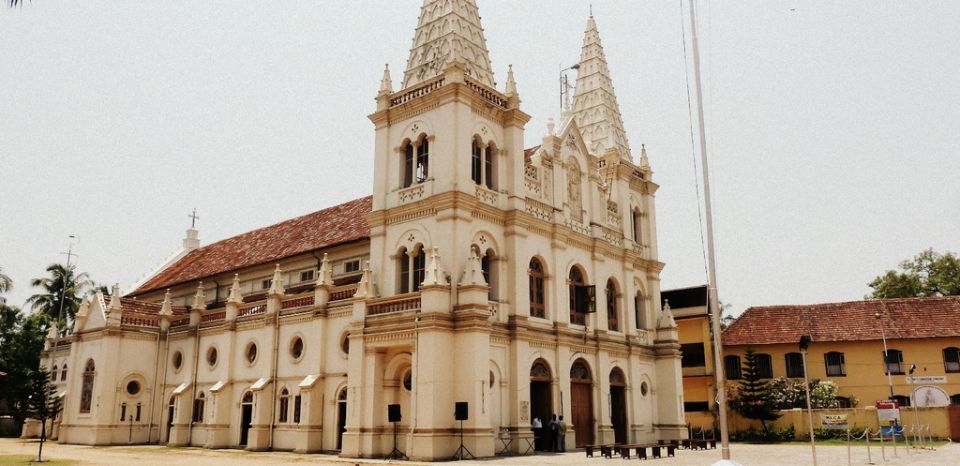
Next up is Santa Cruz Basilica, one of the largest and most impressive churches in India. From outside, you’ll notice the bright white-washed exterior and the two soaring spires, which make the church easy to spot in the neighborhood.
Inside, the emphasis shifts to imagery. The walls feature frescoes, murals, and large paintings depicting scenes from the life of Jesus Christ. This is where the tour’s guide really helps. Without context, religious art can feel like decoration. With context, you start seeing the themes and symbolism the creators wanted you to notice.
I like that this stop doesn’t just say “look at the building.” It directs your attention to what you’re actually seeing—paint, wall scenes, and the overall visual storytelling.
If you’re short on patience for long interiors, take a breath and scan methodically: start with the big paintings first, then circle to the frescoes and murals. That tends to keep the stop satisfying even within a tight walking schedule.
Mattancherry Dutch Palace murals: Portuguese frame, Hindu tales
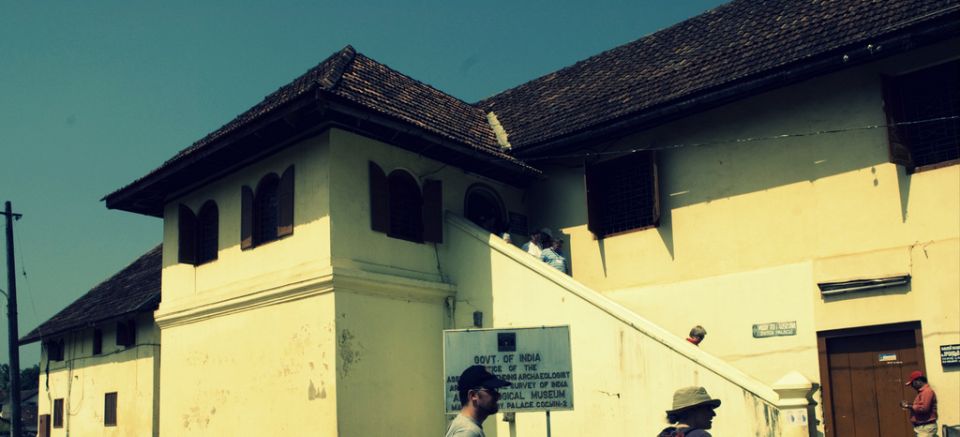
The tour then moves to Mattancherry Palace, also known as the Dutch Palace—built by the Portuguese and presented to the Raja of Kochi in 1555. Don’t let the name confuse you: the palace is valued here for the murals, not for Dutch architecture.
The standout is the wall art. The palace is famous for stunning murals portraying scenes from Hindu tales like the Ramayana and the Mahabharata. That matters because it shows how cultures borrowed from each other. Portuguese political power and Hindu epic storytelling are sharing the same painted walls.
One practical thing: time indoors can feel tight. A prior guest said they would have liked a longer stop at the Dutch Palace, and that’s a fair consideration for you too—this is one place where you may want extra minutes to look slowly and piece together the scenes.
Also check the calendar. The Jewish Synagogue and Dutch Palace are closed on Fridays, Saturdays, and Jewish holidays, so if you’re traveling around those days, your route may feel different than expected.
Paradesi Synagogue and the shine of details
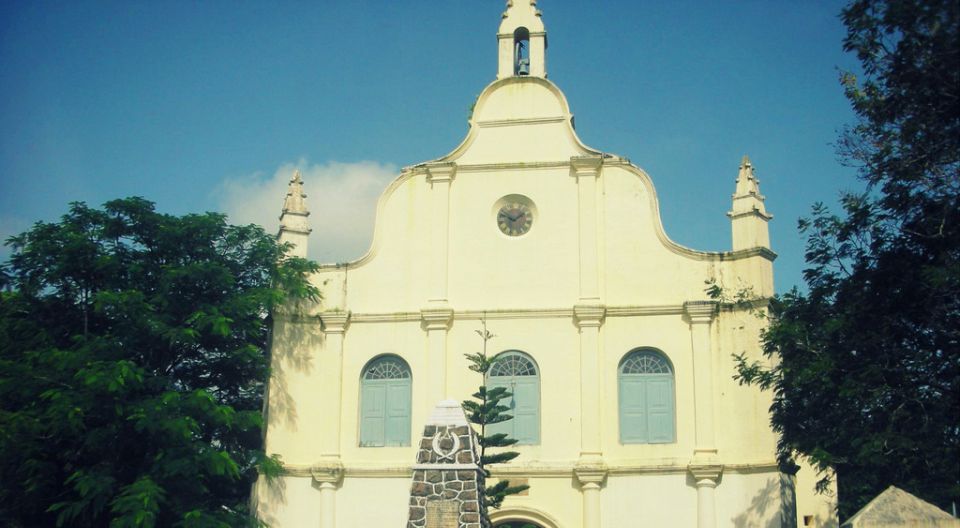
After the palace, you reach Paradesi Synagogue, described as the oldest active synagogue in South India. This is where the tour becomes very detail-focused, which is exactly what I want from a good walking guide.
You’ll notice specific highlights:
- an ornate brass pulpit
- a Belgian glass chandelier
- hand-painted Chinese porcelain floor tiles
These aren’t abstract “take a look” details. They’re tangible proof of how global trading networks shaped local craftsmanship. Brass, Belgian glass, Chinese porcelain—then Jewish religious practice in the middle of it. It’s a visual education in cultural mixing.
If you’re someone who loves interior craftsmanship, you’ll enjoy how the guide points out what you might otherwise miss at first glance.
And again, plan for closures: the synagogue is closed Fridays, Saturdays, and Jewish holidays, so if your dates fall there, you’ll need an alternate plan for this part of Kochi.
Jew Town at the finish: spices in the air
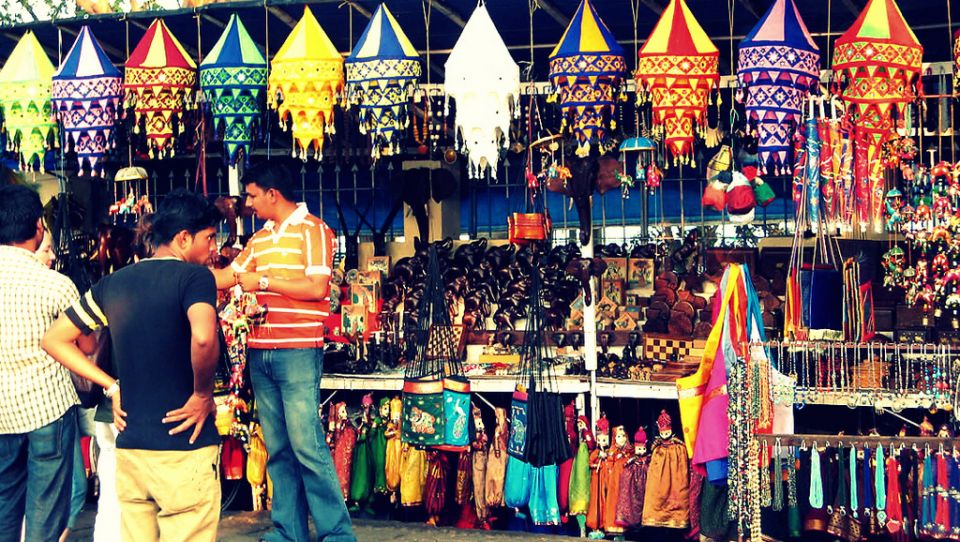
The tour ends with a wander through Jew Town, a central area linked to the spice trade. This is the sensory finale, and it’s worth paying attention to even if you’re not a foodie.
As you walk, you’ll smell spices like ginger, cardamom, turmeric, and cloves. That’s the point: you’re stepping into the business side of Kochi’s history. Spices didn’t just travel through here—they pulled people, money, and stories into the city.
It’s also a good time to reset after indoor stops. Jew Town lets you stretch your legs and take photos without the pressure of waiting for the next scheduled entry.
Price and value: is $30 for a 3-hour private tour worth it?

At $30 per person for three hours, this tour can feel like a fair price, especially because entrance fees are included. You’re paying for more than walking and commentary—you’re also paying to get into places where admission matters.
This matters in Kochi because several stops are not quick roadside peeks. The church interiors, the palace murals, and the synagogue details are the kind of places where a guide can change your whole experience.
It also helps that it’s a private group. Instead of squeezing your questions into the gaps between other people’s interests, you can focus on what you want—Portuguese connections, the Indian epic mural scenes, or the synagogue’s specific objects.
The best value here shows up if you’re a first-timer or someone with a short time window. If you have half a day and like to go at your own pace, you might compare costs for individual tickets and decide if you’d rather self-guide. But for a single, structured “hit the key sites” experience, the pricing seems sensible.
The kind of guide that makes this tour work
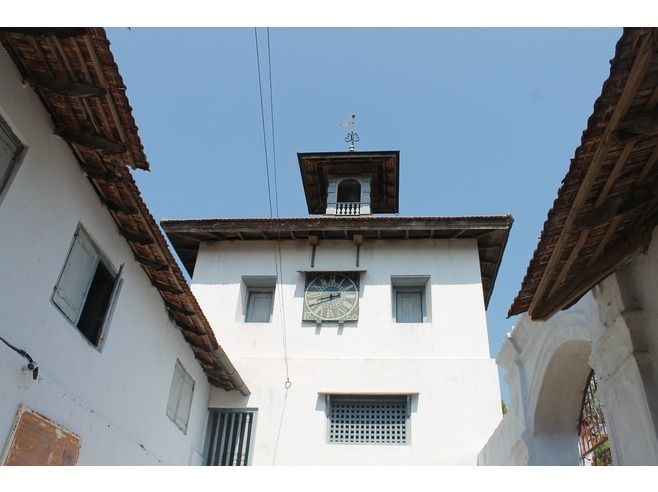
One of the most praised aspects is the English-speaking guide—friendly, organized, and able to explain what you’re seeing. You’ll hear names like Tomy, Tommy, Rajesh, Shaji, and Sad showing up in excellent feedback, and that gives you a clue about what to expect from the guiding style.
I’d think of this tour as storytelling with landmarks. The Chinese fishing nets aren’t just old nets; they’re a living link to 14th-century trade. St Francis Church isn’t just a church; it’s Vasco da Gama’s burial site plus a cemetery tied to Portuguese soldiers. Mattancherry Palace isn’t just walls; it’s European-built space decorated with Hindu epic scenes.
If you show up with curious questions—about Portuguese influence, synagogue art details, or how spice trade shaped neighborhoods—the guide’s explanations will likely feel like the difference between “I saw it” and “I get it.”
Practical tips to make the most of your 3 hours
- Wear comfortable walking shoes. This is a neighborhood walk with multiple stops, and you’ll want your legs to feel good.
- Build your day around the Friday/Saturday/Jewish holiday closures. If your schedule hits those days, the synagogue and Dutch Palace won’t be available.
- If you’re photo-heavy, give yourself short breaks. Indoor stops like the Basilica and palace murals can require a slower look, and you don’t want to rush every scene.
- Show up on time at the Princess Street meeting point, and report about 5 minutes early. That small buffer helps the whole route run smoothly.
Should you book this Fort Kochi & Mattanchery tour?
Book it if you want a smart, single-session introduction to Kochi’s layers—trade, Portuguese-era churches, palace art, and synagogue details—without spending extra time ticketing your way between sites. The private format, English guide, and entrance fees included make it an efficient way to get a lot of meaning into a limited window.
Skip or rethink it if your dates fall on Fridays, Saturdays, or Jewish holidays, since the synagogue and Dutch Palace are closed and you’ll lose two of the most distinctive stops. Also reconsider if you dislike paced tours; a short visit inside the palace can feel rushed compared to what you might want.
If you’re aiming for a guided “first look” that still leaves you time to wander afterward—this is a solid choice.
FAQ
How long is the Fort Kochi & Mattanchery walking tour?
The tour lasts 3 hours.
How much does the tour cost?
It costs $30 per person.
Are entrance fees included?
Yes, entrance fees are included.
Is the tour private and does it have an English guide?
Yes. It’s a private group with a live tour guide in English.
Are the Jewish Synagogue and Mattancherry Dutch Palace open on all days?
No. They are closed on Fridays, Saturdays, and Jewish holidays.
Where do we meet for the tour?
You meet at Carnival Tours & Travels on Princess Street, near Shop N Save and opposite Block Prints in Fort Cochin.