REVIEW · KOCHI
Fort Kochi Local Sightseeing Tuk-Tuk Tour
Book on GetYourGuide →Operated by Paradise Cochin Tuk-Tuk Tour · Bookable on GetYourGuide
Fort Kochi clicks into focus fast on a tuk-tuk. I like that the tour moves at street speed, so you get history plus real daily life in the same loop. Two things stand out right away: the hands-on guide chat as you ride through narrow lanes, and the way the stops connect Portuguese, Dutch, and British traces with Kochi’s Jewish and Hindu stories.
I also like the lineup of landmarks that most people only see as separate postcard stops. You roll from the iconic Chinese Fishing Nets to St. Francis Church, then into Jew Town for antiques and the Paradesi Synagogue, and later you see Mattancherry Palace murals tied to Hindu mythology. One key consideration: this tour is not suitable for wheelchair users, since you’ll be moving through uneven streets and getting on and off a tuk-tuk.
In This Review
- Key highlights you will feel on this Fort Kochi tour
- Why Fort Kochi looks different at tuk-tuk pace
- Pickup from Mattancherry or Fort Kochi, and how the timing usually works
- Chinese Fishing Nets to Fort Kochi Beach: the iconic start that sets the mood
- Santa Cruz Cathedral Basilica and the Dutch Cemetery area
- Street architecture stops like Princess Street and Bastion Bungalow
- Jew Town and Paradesi Synagogue: where Kochi’s Jewish heritage feels personal
- Mattancherry Palace and its Hindu-mythology murals
- Dhobi Khana public laundry: watching a working routine
- Markets, everyday street scenes, and a chance to grab local food
- Marine Drive and backwater viewpoints from Vypeen or Willingdon
- Value for $14: what you get, what costs extra, and why it works
- Guides make the difference: Najeeb and Salim as examples
- Who should book this tuk-tuk tour
- Should you book Fort Kochi Local Sightening on a tuk-tuk?
- FAQ
- How long is the Fort Kochi local sightseeing tuk-tuk tour?
- Where do pick-ups happen?
- Is the tour private?
- What landmarks are included on the route?
- Are entrance fees included?
- Is bottled water provided?
- What languages does the host or greeter speak?
- Does the tour include skip-the-ticket-line?
- Can I cancel and get a refund?
- Is the tour wheelchair accessible?
Key highlights you will feel on this Fort Kochi tour
- Private tuk-tuk, flexible stops: pick-ups from Mattancherry or Fort Kochi and a route that can bend to your interests and time.
- Iconic photo anchors: Chinese Fishing Nets, St. Francis Church area, and the Mattancherry Palace mural walls.
- Jew Town experience: time for antique browsing and a visit to Paradesi Synagogue.
- Dhobi Khana public laundry: you see traditional washerman routines up close at a working public laundry.
- Waterfront viewpoint options: rides along Marine Drive or backwaters, plus chances for views from Vypeen Island or Willingdon Island.
Why Fort Kochi looks different at tuk-tuk pace
Fort Kochi can feel like a scavenger hunt: streets twist, signs change language, and the buildings wear layers like old paint. A tuk-tuk keeps you from rushing, and it’s an easy way to compare eras side by side. When your guide talks while you roll, you actually understand what you’re seeing, not just where it is.
I especially like the direct interaction you get with your driver-guide. You’re not stuck waiting for a lecture at each stop. You can ask questions as they come up, then your next turn makes more sense.
Also, the route is built for short stops. That matters here because some sites are more about quick viewing and photos, while others are worth slowing down for. The 4-hour format keeps it moving without turning it into a blur.
You can also read our reviews of more tours and experiences in Kochi.

Pickup from Mattancherry or Fort Kochi, and how the timing usually works
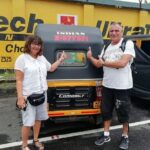
This tour runs about 4 hours, usually within a 3–4 hour range. You can get picked up in Mattancherry or Fort Kochi, and you’ll meet your driver outside your accommodation with a name placard. If you’re trying to plan around breakfast, beach time, or your hotel location, this pickup flexibility helps a lot.
You also get bottled water, which is one less thing to handle on your own. And the driver and greeter team can work in English, Hindi, and Malayalam, so communication is rarely a problem even if you stick to basics.
One practical note: entrances can involve extra steps at some places. Entrance fees are not included, so you may want to keep some spare budget for tickets when you arrive, even though you have the benefit of skip-the-ticket-line for what’s offered.
Chinese Fishing Nets to Fort Kochi Beach: the iconic start that sets the mood
Most Kochi loops start with the waterfront because it’s where the city feels most immediate. Your first stop is the Chinese Fishing Nets, with time to see the nets in action or at least in their working context. This is one of those places where you learn faster with a local guide. The guide can explain how the nets became part of the coastline’s identity, and what to look for in the way locals work around them.
From there, you head toward Fort Kochi Beach for another short viewing window. Beach time sounds simple, but it’s actually a good reset between big landmarks. You can catch the light for photos, look for boats and activity, and take a breath before moving into the churches and colonial-era corners.
If you’re photographing, arrive ready to shoot. The tour times at each stop are designed for quick observation, not waiting around for perfect weather.
Santa Cruz Cathedral Basilica and the Dutch Cemetery area
Next up is the Santa Cruz Cathedral Basilica. This is the kind of stop where architecture does a lot of talking. Even if you are not a hardcore church-history person, you’ll understand why this area mattered to Europeans in different eras. The guide’s job here is to connect the building to the city’s shifting rulers and trading connections.
Then you move toward the Dutch Cemetery and the St. Francis Church area. You’ll get a brief look at both, with time built in for photos and walking around the immediate grounds. This is also where a good guide helps you not miss the details that make the area feel layered, from colonial graves to the church’s lasting presence.
A tip for making the most of these stops: don’t rush your walking. The value here is in reading the mix of influences. If you keep your pace steady, you’ll catch more than one kind of story.
Street architecture stops like Princess Street and Bastion Bungalow
Along the ride, you should expect colonial-era architecture and time to notice the smaller stuff. Your route includes passes by areas like Princess Street and Bastion Bungalow, which are great for people who like streetscape photos and slower shopping breaks.
This part of the day is useful because it bridges the gap between landmark sites. Churches and synagogues are easier to recognize. Side streets are where you see how the city actually lived, day to day, with shopfronts, small businesses, and everyday traffic.
You might also get brief moments to look at street art murals. Kochi’s walls often tell stories that sit somewhere between religious symbolism and local humor, so keep your eyes open while you’re riding.

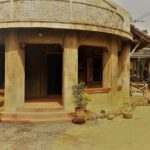
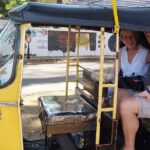
Jew Town and Paradesi Synagogue: where Kochi’s Jewish heritage feels personal
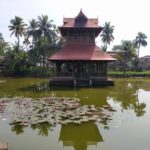
Jew Town is one of the best reasons to take a guided route rather than wandering aimlessly. You’ll move through Jew Town, Kochi with time that works for browsing antique shops, then stop at Paradesi Synagogue. The synagogue itself is the highlight, but I like that the area around it gives context. You can see how commerce, old neighborhoods, and community landmarks overlap.
This is a good section of the tour for questions. A guide can help you understand what you’re looking at beyond the basics, like why this neighborhood exists where it does and how the community’s presence shaped what you see now.
If you’re buying antiques, keep your expectations realistic. You’re shopping in an old neighborhood with heritage pieces, but it’s still a marketplace. Go slow, compare, and ask what you’re actually getting.
Mattancherry Palace and its Hindu-mythology murals
Now for the walls. Your visit to Mattancherry Palace includes time to view the murals depicting Hindu mythology. This is a different kind of learning than churches and cemeteries. It’s visual storytelling: scenes, characters, and symbolism that you can often understand even if you do not know every name.
What I like here is that the palace connects art to regional royal themes. You’re not just looking at paint. You’re seeing how myth and authority were linked, and how that connection has stayed in public memory.
Because the tour time at each stop is limited, focus on what grabs you first. If one mural catches your eye, spend the extra minutes there. The time pressure is real, but that’s also why having a guide is helpful—they can point out what’s most worth your attention without turning it into homework.
Dhobi Khana public laundry: watching a working routine
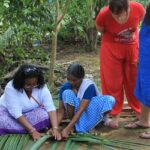
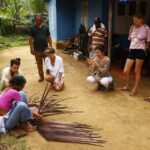
One of the most memorable stops is Dhobi Khana, the public laundry where you can observe traditional washerman practices. This is not a staged show. It’s a working space, and that changes how you experience it. You’ll likely see routines, tools, and teamwork that make the city feel alive rather than decorative.
This stop is a good reminder that a sightseeing tour can be more than monuments. Kochi runs on practical labor too, and Dhobi Khana is where you see that in motion.
If you’re sensitive to crowds or to close-up observation, take your time and stand where you feel comfortable. The tour gives you viewing time, not a forced rush through the area.
Markets, everyday street scenes, and a chance to grab local food
You’ll also have time near spice markets, plus more street-level wandering that can include antique shops, street art, and quick photo moments. Spice areas smell strong and move fast, so treat the short stop as a taste of the neighborhood rather than a full shopping mission.
There’s also room for the guide to help you find local food spots. You may not have a long sit-down meal built into the schedule, but you can end up with a better snack plan than if you try to figure it out alone.
If you’re hungry, plan for it. With a 4-hour loop and multiple stops, waiting until you feel starving usually leads to rushed choices.
Marine Drive and backwater viewpoints from Vypeen or Willingdon
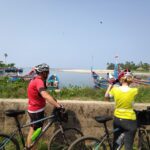
Kochi is not only buildings and churches. Your tour includes time for waterfront views, with options to ride along Marine Drive or by the backwaters. Depending on timing, you may also stop at Vypeen Island or Willingdon Island for that open-sky perspective.
This part helps break up the heritage stops. It also gives you a different angle on the city’s geography: water shapes movement, trade, and daily life here. Even short viewpoint stops can be worth it because they make the rest of the day feel less like separate locations and more like one connected city.
Value for $14: what you get, what costs extra, and why it works
At $14 per person for a 4-hour guided private tuk-tuk tour, the value is mostly about logistics and time saved. You get the vehicle, a guide to connect the dots, and stops at major highlights plus a few lesser-expected places like Dhobi Khana.
What you should budget for: entrance fees to attractions are not included. That’s normal for tours like this, but it can add up depending on what you choose to enter. Because your schedule includes multiple landmark stops, it’s smart to bring a little extra money so you’re not stuck deciding on the spot.
Also consider what you are skipping. You do get skip the ticket line, which helps your schedule hold together. It’s a small thing, but it matters when you’re moving between several sites in a short window.
And yes, bottled water is included, which is a practical win on a warm day.
Guides make the difference: Najeeb and Salim as examples
The experience quality here depends heavily on the person driving and guiding. In the best versions, the driver acts like a storyteller with a map—telling you why a street looks the way it does, not just what it is.
For example, Najeeb was praised for warm, professional guidance and patient answers, with clear explanations of Portuguese, Dutch, and British influences tied directly to the landmarks. Salim stood out for local knowledge and for being reassuring about what is safe, plus ending with a solid restaurant recommendation.
That’s the practical point for you: choose this tour when you want help interpreting scenes in real time. If you prefer to read guidebooks silently and wander alone, you might not feel the same benefit.
Who should book this tuk-tuk tour
This tour fits best if you:
- want a one-day loop that connects major Fort Kochi sights with Jew Town and Mattancherry Palace murals
- like learning by asking questions while you ride
- appreciate seeing both heritage landmarks and everyday working life like Dhobi Khana
- are traveling in a small group and want a private pace
It may not fit you if you:
- need wheelchair access, since it is not suitable for wheelchair users
- hate short stops and prefer long museum time
Should you book Fort Kochi Local Sightening on a tuk-tuk?
If your goal is to get the essentials of Fort Kochi and Mattancherry without turning your day into navigation stress, I think this is a strong pick. The route is built around recognizable highlights like the Chinese Fishing Nets, St. Francis Church, and Paradesi Synagogue, then rounds out the day with murals at Mattancherry Palace and a genuinely human stop at Dhobi Khana.
Book it if you enjoy a guided story while you move. Skip it if you want a slow, self-guided crawl or if accessibility is a major concern.
If you’re flexible on timing, you can also take advantage of the option to reserve now and pay later, which helps when plans shift. And if your schedule changes, free cancellation up to 24 hours in advance can make it easier to commit.
FAQ
How long is the Fort Kochi local sightseeing tuk-tuk tour?
The tour duration is about 4 hours, and it typically runs within a 3–4 hour window.
Where do pick-ups happen?
You can be picked up from Mattancherry or Fort Kochi.
Is the tour private?
Yes, it’s listed as a private group.
What landmarks are included on the route?
The route includes stops such as the Chinese Fishing Nets, Fort Kochi Beach, Santa Cruz Cathedral Basilica, Dutch Cemetery and St. Francis Church area, Dhobi Khana public laundry, Mattancherry Palace, Paradesi Synagogue, a spice market, and Jew Town. It also includes options for Marine Drive or backwater views and stops at Vypeen Island or Willingdon Island.
Are entrance fees included?
No. Entrance fees to attractions are not included.
Is bottled water provided?
Yes, bottled water is included.
What languages does the host or greeter speak?
The host or greeter can work in English, Hindi, and Malayalam.
Does the tour include skip-the-ticket-line?
Yes, it includes skip the ticket line.
Can I cancel and get a refund?
Yes. Free cancellation is available up to 24 hours in advance for a full refund.
Is the tour wheelchair accessible?
No. It is not suitable for wheelchair users.