REVIEW · KOCHI
4 Hours Private Village Life Experience in Kochi with Pickup
Book on Viator →Operated by Explore Kumbalangi: India's First Model Eco-Tourism Village · Bookable on Viator
You can trade Kochi traffic for island work and sea views fast. This private Kumbalangi village life experience focuses on real local skills: coconut coir crafts, fishing methods (including the famous Chinese fishing nets), crab-farm life, and a calm boat ride through backwaters. You also get a village-style seafood lunch and time in a garden setting with plenty of shade.
I love how the tour feels hands-on without being pushy. You’ll see village artisans explain what they’re doing—often with the option to try small parts yourself—and that makes the coconut-to-craft story stick in your head.
One thing to consider: the tour needs good weather, and the lunch is seafood-based, so it may not suit every diet.
In This Review
- Key highlights to look for
- Entering Kumbalangi: village life, not a museum stop
- Getting there with pickup and a simple start
- Stop with views: Kumbalangi View Point
- The coconut-to-craft lesson: coir, ropes, and everything gets used
- Chinese fishing nets: seeing a technique, not a performance
- Crab farms and clam meat processing: the work behind the meal
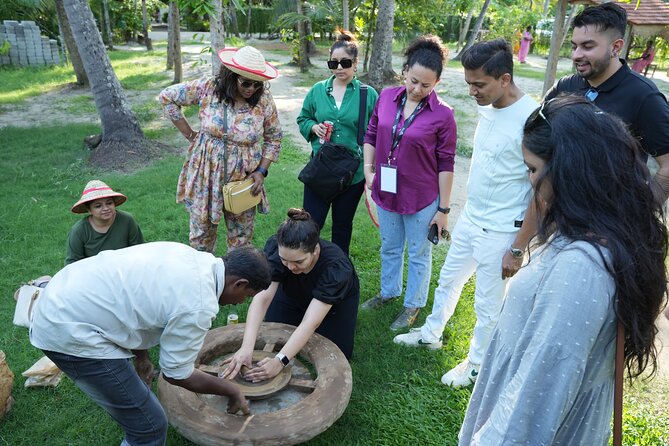
- More crafts than you expect: baskets, broom making, beedi rolling, pottery
- The welcome and the quiet reset: coconut drink and garden calm
- Country boat ride: the water part that makes it feel whole
- Lunch: Kerala seafood with flavors that fit the day
- Your guide can make or break it: the vibe here is very people-first
- Price and value: when $78 makes sense
- Who should book this tour
- Practical tips so you enjoy every stop
- Should you book it? My straight answer
- FAQ
- How long is the private village life experience in Kochi?
- Is this tour private or shared with other groups?
- Is pickup available, and where does the tour start?
- What activities and crafts will I see?
- Do I get a boat ride?
- Is lunch included, and what will I eat?
- Does the tour require good weather?
- What is the cancellation policy?
Key highlights to look for
- Coconut craft workshops: coir making, rope-making, and uses for coconut husks
- Chinese fishing nets: a classic Kerala method you can actually watch
- Crab farm and seafood prep: everyday work tied to what’s in the water
- Traditional craft lineup: baskets, broom making, pottery, beedi rolling
- Country boat ride: a quiet punt that slows your whole day down
- Local lunch: fish molly, prawns roast, and pineapple curry
Entering Kumbalangi: village life, not a museum stop
Kumbalangi sits close enough to Kochi for a half-day escape, but it doesn’t feel like a theme park. The rhythm is still tied to water and farming. You’ll get the sense that every task has a purpose, from fiber and thatching materials to food prep.
A big reason this works is the variety. You don’t just watch one craft. You move between coconut processing, fishing, farm life, and garden calm. That balance helps if you’re traveling with people who don’t always love craft shopping.
You can also read our reviews of more private tours in Kochi


Getting there with pickup and a simple start
This is built as a private tour, so you travel as a group rather than blending into a big crowd. Pickup is offered, and the experience uses a mobile ticket, which is handy if you’re juggling multiple bookings on your trip.
Your start point is at Village Canopy (an outdoor wedding venue) on Kallanchery Road, North Kumbalangi. The tour begins at 10:30am and ends back at the same meeting point. In other words: it’s a clean plan for a limited day, with less time lost to wandering.
Stop with views: Kumbalangi View Point
Before you get deep into workshop work and food prep, you get a breather at the Kumbalangi View Point. Even if you’re not a super serious photographer, the value here is orientation. You see the island setting and get a feel for how the water and village connect.
It’s also a good moment to reset if you’re traveling from busier Kochi areas. Once you head toward the water activities, you’ll likely be on the move a lot for four hours.
The coconut-to-craft lesson: coir, ropes, and everything gets used
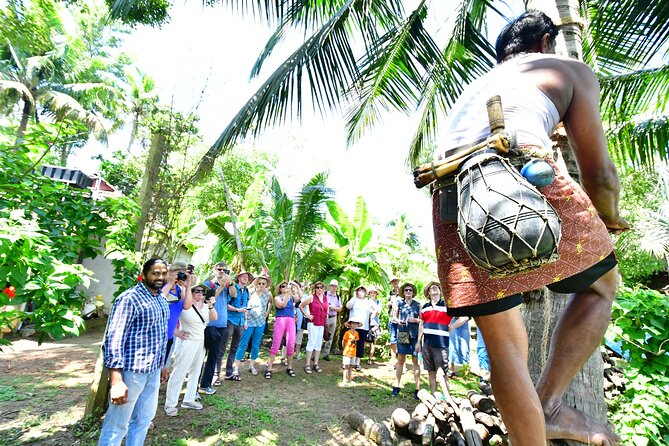
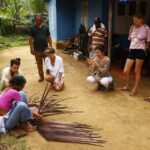
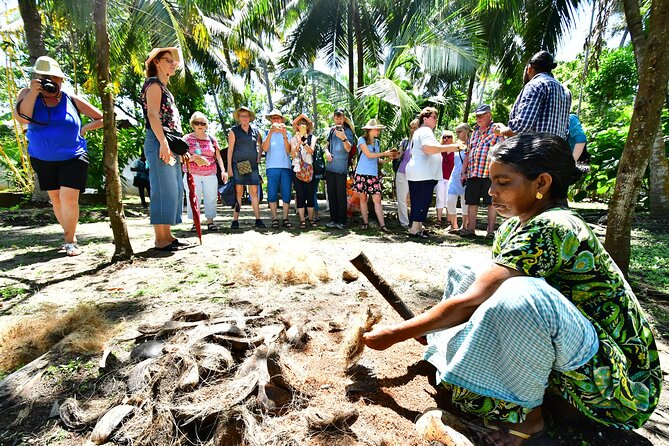
The tour’s signature theme is simple and memorable: everything has a use in the coconut. You’ll watch coconut husks turned into coir, and you’ll see how coconut fiber becomes practical items like ropes and baskets. Village women are central to this part of the experience, and their explanations make the process feel logical instead of random.
One of the best ways to get value here is to ask questions while you’re watching. The craft makers tend to explain with patience, and the more you ask, the more you notice: how different fibers behave, why certain tools are used, and how raw materials become useful finished goods.
If you like cultural experiences that don’t end in a sales pitch, this is a strong match. You’re learning how the material works, not just buying a souvenir.
Chinese fishing nets: seeing a technique, not a performance
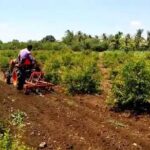
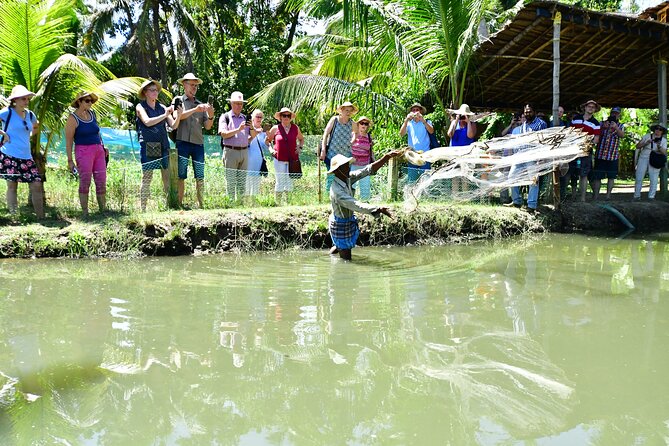
Fishing on Kerala backwaters isn’t one-size-fits-all. A highlight is the Chinese fishing nets, where you can see how the method fits the water and how fishermen manage it as part of daily life.
The reason I think this section matters is that it adds context to everything else you’ve seen. When you understand local water work, crab farming and seafood prep stop feeling like separate activities. They start looking like a connected system—labor, tools, and the seasons in one place.
This part is also a good reminder that not all heritage is static. You’ll be watching something old-school in action, not behind glass.
Crab farms and clam meat processing: the work behind the meal
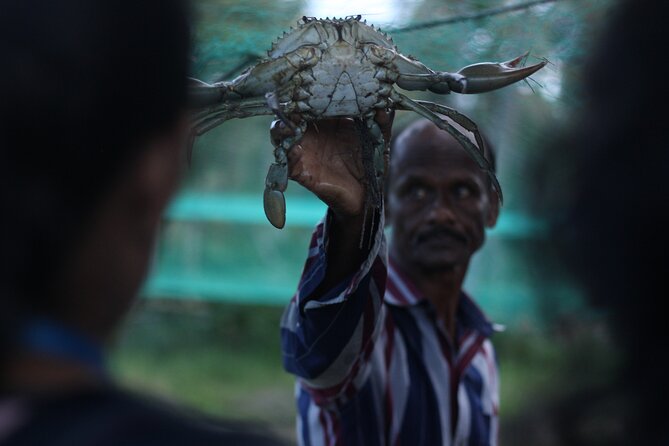
Food doesn’t just show up on lunch plates. You’ll see how crab farming and clam meat processing fit into village routines. The process is described as a family affair with multiple hands involved, which is exactly the kind of detail that makes the whole trip feel real.
Crab and shellfish work can look quick from a distance. Up close, you get a better sense of how much repetition and care goes into it. It’s not just catching. It’s handling, preparing, and turning the catch into something that can be used.
If you’re sensitive to the idea of food preparation, you can choose how much you want to watch. The tour’s tone is respectful, and you’ll have guide support to keep it comfortable.
More crafts than you expect: baskets, broom making, beedi rolling, pottery
The craft stop list covers a lot of ground, and that’s part of the appeal. You’ll likely see:
- Basket weaving using natural materials
- Broom making from plant fiber
- Beedi rolling (tobacco preparation)
- Pottery and clay work
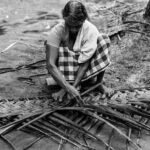
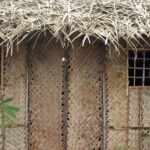
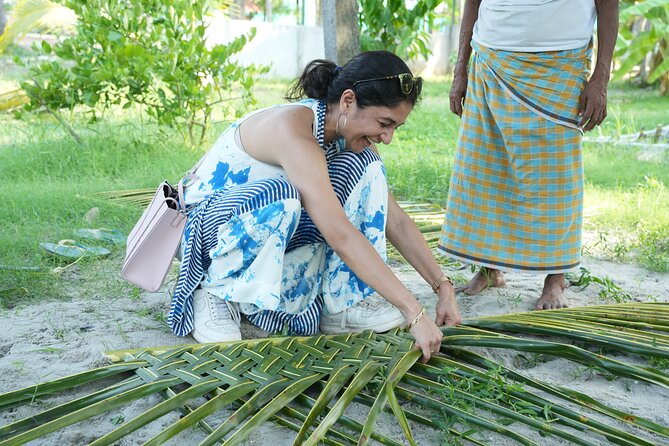
- Weaving coconut leaves for thatching, which explains how villages build and maintain shelter materials
This is the section where you’ll notice how practical these crafts are. They’re not only for decoration. They solve everyday problems—storage, cleaning, roofing, and daily tools.
You’ll also get a clear sense of how coconut connects the whole village economy. Coir becomes ropes and baskets. Coconut leaves become thatching. The same plant supports multiple needs.
The welcome and the quiet reset: coconut drink and garden calm
A warm arrival matters on tours like this. You’ll be welcomed, and one of the most repeated comforts in accounts of this experience is a coconut drink early on. It’s simple, but it sets the tone: you’re not being rushed, and people aren’t treating you like a checklist.
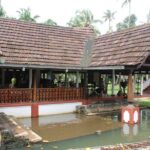
Then you get a break from workshop intensity with a garden setting. People describe the grounds as garden-like, with orchids and a breeze that can cut the heat. This matters because Kerala can get warm quickly. A calm pause helps you enjoy the later lunch instead of feeling drained.
Country boat ride: the water part that makes it feel whole
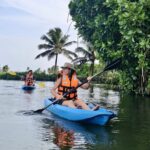
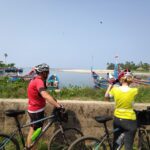
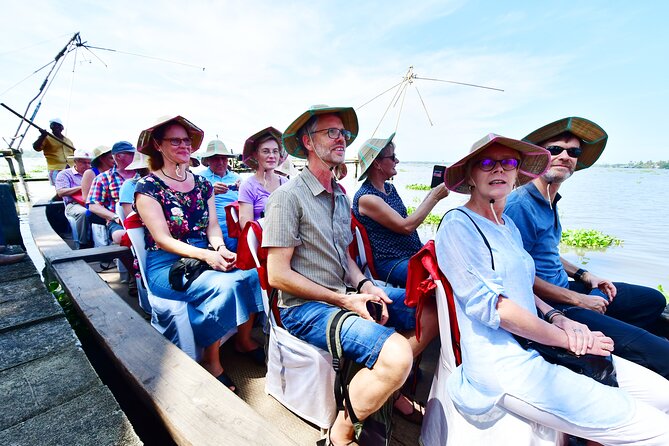
One of the most valued parts is the country boat ride or punt. It’s tranquil and it connects the different activities you saw on land. You’re watching fishing methods from a different angle, and the pace slows in a way that feels like a real break, not just transportation.
If you care about scenery, this is where the tour delivers. If you care about culture, it still delivers, because you can see how work moves with the water.
For most people, this is the moment the tour stops feeling like a set of demos and starts feeling like a lived place.
Lunch: Kerala seafood with flavors that fit the day
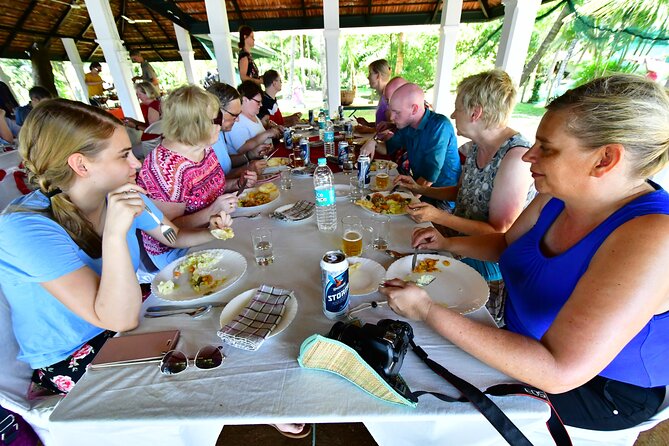
After four hours of crafts and water work, lunch hits differently. The meal is described as a traditional Kerala seafood spread, including Fish Molly, Prawns Roast, and Pineapple Curry.
I like how the lunch matches the setting. You’re eating what you learned about—sea and seafood processing isn’t abstract anymore. The ambiance is also described as relaxing and clean, and the breeze and garden surroundings make it easier to enjoy the meal without overheating.
If you don’t eat seafood, you’ll want to think carefully before booking, because the lunch offerings listed are seafood-focused.
Your guide can make or break it: the vibe here is very people-first
A standout pattern in this experience is the guide-and-artisan interaction. One name that shows up clearly is William, who’s described as perfect for the flow of the day between boat rides and craft stops.
The bigger takeaway: the tour design gives villagers a chance to explain and answer questions. People also mention that artisans are friendly and helpful, and that you may be invited to try small tasks during the tour.
That’s a big value point. You’re not just watching. You’re getting context from the people doing the work.
Price and value: when $78 makes sense
At $78 for about four hours with private guiding and pickup support, this isn’t a budget-only option. But it can be good value if you want several things at once: hands-on crafts, fishing observation, farm-life context, and a proper lunch.
You’re paying for a tight mix:
- multiple skill areas in one visit
- a private group format
- the boat ride component
- a included lunch with multiple dishes
If your travel style is mostly street food and one museum stop, this might feel like overkill. If you want a real-work village experience near Kochi with less time wasted and more time learning, the pricing starts to look fair.
Also, because it’s private, you’re not stuck waiting while other groups drag the pace. That matters in a place where the day depends on water and light.
Who should book this tour
This tour fits best if you:
- want a half-day that feels more local than sightseeing
- love learning how everyday materials like coconut fiber become tools and home items
- enjoy craft work and fishing techniques with real explanations
- appreciate boat rides and garden calm instead of nonstop walking
It might be less ideal if you:
- want only high-speed “tourist highlights”
- need a fully vegetarian menu (the listed lunch is seafood-focused)
- travel on days where weather could shift quickly (the tour requires good weather)
Practical tips so you enjoy every stop
A few small choices will make the day easier:
- Wear shoes you don’t mind getting a bit dusty. Some craft areas and paths can be rough.
- Bring sun protection. You’ll move between work areas and outdoor points.
- Ask questions early. Coconut craft and fishing sections tend to get more interesting the more you ask.
- Pace yourself before lunch. If you rush the craft stops, you’ll feel it afterward.
And if you’re offered the chance to try a task, take it. Even small participation helps you understand the effort behind the final product.
Should you book it? My straight answer
Yes, you should book this if you want an honest, close-up slice of Kerala village life near Kochi—especially if you care about coconut-based crafts and fishing culture. The strongest selling points are the friendly artisans, the guided explanations (including Chinese nets and multiple water-linked activities), and the way the boat ride and garden calm give the day breathing room. The seafood lunch also feels like part of the experience, not an afterthought.
Skip it if seafood lunch is a dealbreaker for you, or if you’re traveling with weather risk and hate plans that can change with conditions.
Overall, it’s a focused four-hour tour where local people and practical skills are the main event—and that’s exactly the kind of value that makes a trip memorable.
FAQ
How long is the private village life experience in Kochi?
The tour lasts about 4 hours.
Is this tour private or shared with other groups?
It’s private, so only your group participates.
Is pickup available, and where does the tour start?
Pickup is offered. The tour starts at Village Canopy (an outdoor wedding venue) on Kallanchery Road, North Kumbalangi, Kochi, Kerala, with a start time of 10:30am.
What activities and crafts will I see?
You’ll see coir making from coconut husks, pottery, basket weaving, broom making, beedi rolling, and coconut leaf weaving for thatching, plus fishing-related activities.
Do I get a boat ride?
Yes. The experience includes a serene country boat ride.
Is lunch included, and what will I eat?
Lunch is included and is a traditional Kerala seafood meal, including Fish Molly, Prawns Roast, and Pineapple Curry.
Does the tour require good weather?
Yes. The experience requires good weather, and if it’s canceled due to poor weather you’ll be offered a different date or a full refund.
What is the cancellation policy?
Free cancellation is available. You can cancel up to 24 hours in advance for a full refund. If you cancel less than 24 hours before the start time, the amount paid is not refunded.