REVIEW · KOCHI
Kochi Tuk-Tuk Private Tours with Pickup from Cruise Ships
Book on Viator →Operated by BAIJUS TOURS KOCHI TUK-TUK · Bookable on Viator
Kochi by tuk-tuk keeps cruise days stress-free. It’s a private shore excursion with round-trip pickup from the Cochin Port cruise dock, so you dodge the taxi scramble and get straight into Fort Kochi and Mattancherry. I love how you can control the pace and stop for photos and views without feeling trapped in a group schedule.
What I really like is the guiding touch from the drivers. Names like Samier and Abi Baijy come up for being prompt at the pier and for adding real street-level context as you hop between landmarks. One drawback to plan for: some stops have entry fees not included, and at least one person felt the route included extra shop stops—so it helps to track what you’re paying for as you go.
Key things to know before you go
- Cruise-ship pickup and drop-off keeps the timing clean on a shore day
- Private tuk-tuk flexibility means you can linger at the spots that click for you
- Fort Kochi and Mattancherry highlights are packed into a realistic 3–4 hour window
- A few sights cost extra (museums and some attractions are not included)
- Drivers who add context can make the same stops feel more meaningful
In This Review
- Private tuk-tuk timing that actually fits a cruise day
- What you get for the price: $11 worth of flexibility (with trade-offs)
- The Kochi route in plain language: what each stop does for you
- Chinese Fishing Nets: your first taste of old-school coastal tech
- Fort Kochi Beach: a quick sea-breeze reset
- Dutch Cemetery: colonial memory in a small footprint
- St. Francis Church: early European architecture you can actually see
- Santa Cruz Cathedral Basilica: impressive interior energy
- Indo-Portuguese Museum: a culture pause that’s not included
- Maritime Museum Kochi: quick naval context, optional cost
- Mattancherry Palace: Portuguese palace, Dutch Palace nickname
- Paradesi Synagogue: a living, still-active landmark
- Cochin Spice Market: included entry, plus plenty of buying opportunities
- Jain Temple: a short visit with daily rhythm
- Bastion Bunglow: a sea-facing Dutch heritage structure (not included)
- The photo and comfort details that matter more than you think
- Drivers and pace: why the experience feels personal
- Weather and timing: how to avoid a half-day mood
- Who should book this Kochi tuk-tuk tour
- Should you book it?
- FAQ
- How long is the Kochi tuk-tuk shore tour?
- Does the tour include pickup from the cruise ship?
- Where is the meeting point?
- What’s included in the price?
- Is an air-conditioned vehicle included?
- Which attractions have admission included vs not included?
- What happens if the weather is bad?
Private tuk-tuk timing that actually fits a cruise day

On a cruise shore day, the biggest challenge is always time. This tour is designed for that reality: you get a pickup that’s tied to the cruise dock, then you’re back at the same meeting point afterward. The result is that you spend more time sightseeing and less time negotiating transport.
The other practical win is privacy. A private tuk-tuk means you aren’t stuck waiting for strangers to finish photos, and you can adjust how fast you move through each area. If you like walking for a bit and then using the tuk-tuk when it’s hot, this setup is a good match.
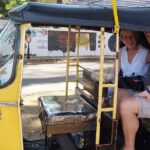
One note on comfort: the tour does not include an air-conditioned vehicle. Your ride is a tuk-tuk, so you should plan for warm, sun, and humidity like you would with any open-air transport.
What you get for the price: $11 worth of flexibility (with trade-offs)
At about $11 per person, the value is strong—especially because the tour includes bottled water and parking fees, plus private transportation. You’re also told you can use the tuk-tuk for photos, which sounds small until you realize most cruise shore days are spent rushing between gates and street corners.
Where the value can shift is at the attractions. Some major sights are included in the tour price, while others explicitly are not. That’s not unusual in India, but it matters because it changes your “total cost of the day,” and it affects how much you can do within your 3–4 hour window.
If you want the best math, do this: before you commit, check the included-vs-not-included list in your mind, then assume any non-included museums or attractions will be an additional spend.
You can also read our reviews of more boat tours in Kochi

The Kochi route in plain language: what each stop does for you
This is a “greatest hits with breathing room” style route. Each stop is short—often around 10 to 20 minutes—so the tuk-tuk ride between areas is part of the experience. You get a mix of coastal views, colonial-era landmarks, houses of worship, and a couple of culture and food-adjacent stops.
Here’s how the itinerary feels on the ground:
Chinese Fishing Nets: your first taste of old-school coastal tech
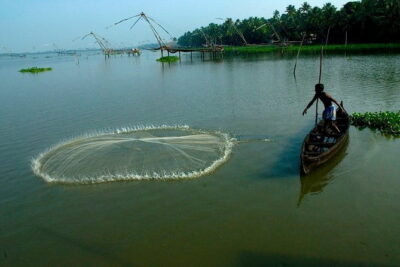
You start at the Chinese Fishing Nets (Cheena vala). These are stationary lift nets fixed land installations, and while the name is widely used, the key is that they’re not a moving boat fishery. You’ll get a quick look and the classic Fort Kochi photo angles.
Tip for your photos: go for a slightly wider shot from where you can see both the installation and the surrounding waterfront context. The nets are the star, but the setting makes the picture.
Fort Kochi Beach: a quick sea-breeze reset
Next is Fort Kochi Beach along the Arabian Sea. This stop is short, but it’s useful. It gives you airflow and a break from crowds of landmark-hunting. It’s also a natural place for a few “we made it” photos after the nets.
If the weather is bright, this is a good moment to soak up the coastline. If it’s too hot, keep it brief and let the tuk-tuk do the rest of the cooling work.
Dutch Cemetery: colonial memory in a small footprint
Then you’re at the Dutch Cemetery. Even if you don’t read every plaque, the layout and age of the grounds create a strong sense of the European presence in Fort Kochi’s past. The stop is short, but it works well as a mental shift from the beach.
This is also the kind of stop where your driver’s comments can help you connect dots—why this place mattered, and how it fits the rest of the colonial map.
You can also read our reviews of more private tours in Kochi



St. Francis Church: early European architecture you can actually see
St. Francis Church in Fort Kochi (Fort Cochin) is next, and admission is included. The church is one of the oldest European churches in India and was originally built in 1503, which gives you that “wow, this is old” reaction without needing a long museum visit.
Because the stop is around 20 minutes, you’ll want to move with intention: take a couple of exterior photos, then spend your time looking at the details you’d otherwise rush past.
Santa Cruz Cathedral Basilica: impressive interior energy
After that, you hit the Santa Cruz Cathedral Basilica at Fort Kochi. Admission is included here too, and this is one of the eight Basilicas in Kerala. The description alone hints at why it’s on most Fort Kochi lists: it’s built to be seen.
If you’re the type who likes noticing small design elements, this is where 20 minutes can feel like the right length—long enough to appreciate, not so long that you start glazing over.
Indo-Portuguese Museum: a culture pause that’s not included
The Indo-Portuguese Museum is on the route, but admission is not included. This matters because you’ll likely decide on the spot whether the extra ticket time is worth it for you. The museum format is ideal if you enjoy artifacts and documented cross-cultural influences.
If you skip it, you still get the broader Fort Kochi storyline. If you go in, you might shorten another stop to keep the day on track.
Maritime Museum Kochi: quick naval context, optional cost
The Maritime Museum Kochi is also not included in admission. The focus is naval history of India—things like warship models, artillery, and uniforms. If military history is your thing, this can be a satisfying add-on.
If it’s not your priority, you can treat it as a “look from the outside and move on” situation, and spend your time in places you enjoy more.
Mattancherry Palace: Portuguese palace, Dutch Palace nickname
Mattancherry Palace, popularly called the Dutch Palace, is included. It’s known for Kerala murals depicting portraits and exhibits related to local rulers, and this is a great counterbalance to the churches and cemeteries.
Because it’s an included admission stop, it’s one of the easiest places to get “value per minute.” Spend time on the murals rather than just snapping one quick picture.
Paradesi Synagogue: a living, still-active landmark
Paradesi Synagogue is another included admission stop. It’s described as the oldest active synagogue in the Commonwealth of Nations, constructed in 1568. This is one of those places where the meaning comes through even if you don’t know the full story ahead of time.
One practical approach: be observant and slow down for a few minutes. Synagogues work best when you treat them like a place, not a selfie stop.
Cochin Spice Market: included entry, plus plenty of buying opportunities
Then you roll into the Cochin Spice Market, with admission included. It’s a “down-to-earth shop” style experience with polished displays and spices sold in bulk.
Here’s the practical travel note: admission being included doesn’t mean shopping is included. If you buy spices, compare prices and think about how you’ll pack them. Bulk spices can be easy to overbuy when everything smells amazing.
Jain Temple: a short visit with daily rhythm
Next is the Jain Temple, and admission is included. It’s known for its pigeon show and feeding held every day at noon. The itinerary only gives you about 10 minutes, so you may or may not catch that exact noon moment depending on timing.
Even if you miss the pigeon segment, this stop adds variety to the spiritual mix—different tradition, different visual cues, different atmosphere.
Bastion Bunglow: a sea-facing Dutch heritage structure (not included)
Finally, Bastion Bunglow is on the list, but admission is not included. It’s described as Indo-European style architecture mainly following Dutch style, built as a sea-facing Dutch heritage structure in 1667.
If you want to see another architectural angle and you’re not museum’d out, it’s a good finish. If you’d rather spend your last minutes on viewpoints or a last photo, you can keep expectations flexible.
The photo and comfort details that matter more than you think
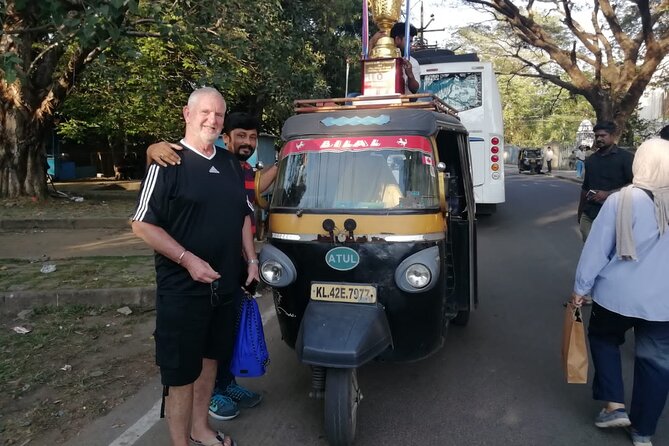
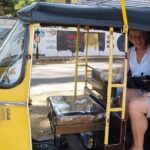
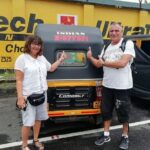
This tour includes bottled water and specifically notes that you can use the tuk-tuks to pose for a variety of photos. That’s a real advantage on a shore day because it creates easy “pause points” where you don’t have to hunt for perfect locations.
Also, because you’re moving between Fort Kochi and Mattancherry areas, bring sun protection. Even in 3–4 hours, the pace can feel more intense than it sounds.
And since admission varies by stop, keep small change or a card ready. You don’t want the day to stall because you’re figuring out payment for a non-included museum on the fly.
Drivers and pace: why the experience feels personal
The driving is where this tour turns from “just transport” into an enjoyable experience. People highlight drivers like Samier for being thorough and prompt—waiting at the pier when the cruise departed—and for staying in contact the day before arrival to confirm meeting details.
Another name connected with top service is Abi Baijy, described as incredible from pickup through the day. The key pattern: drivers who know where to go and how to explain what you’re seeing can make short stops feel richer.
Since this is private, you can also ask for timing tweaks. Want more time at a church moment? Prefer one extra quick viewpoint before the spice market? A good driver can usually help you shape it, within reason.
Weather and timing: how to avoid a half-day mood
This tour is said to require good weather. If it gets canceled due to poor weather, you’ll be offered a different date or a full refund. That’s especially important for a tuk-tuk day because heavy rain can kill both comfort and visibility.
On cruise days, weather can change fast. If the forecast looks shaky, pack a light rain layer anyway. Even a small change can make a big difference in how much you enjoy being outdoors.
Who should book this Kochi tuk-tuk tour
This tour fits best if you want:
- A private shore day plan without a strict bus vibe
- A mix of landmarks in Fort Kochi and Mattancherry without spending all day in transport
- Short, focused stops where you can decide quickly what to enjoy
It’s less ideal if you:
- Hate paying extra for attractions once you’re already out
- Expect air-conditioned comfort the whole time
- Want a slow, museum-heavy schedule (this tour is built for momentum)
Should you book it?
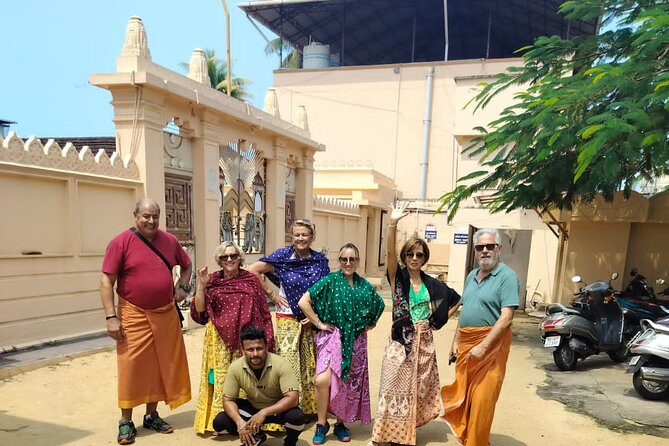
If you like practical sightseeing, this is a strong choice. The combination of cruise pickup, a private tuk-tuk, and the right number of major sights makes it easy to get a lot done without feeling like you’re on a conveyor belt.
Just go in with one mindset: this isn’t a “everything is included” museum pass. It’s a flexible shore tour with some included admissions and some not included. If you keep track of that and budget a little for the optional costs, you’ll likely find it an efficient, satisfying way to see Kochi’s most famous corners in a few focused hours.
FAQ
How long is the Kochi tuk-tuk shore tour?
It runs about 3 to 4 hours.
Does the tour include pickup from the cruise ship?
Yes. It includes round-trip transfers from the cruise ship dock, and the activity ends back at the meeting point.
Where is the meeting point?
The meeting point is Cochin Port Authority (Willingdon Island), Kochi, Kerala 682009, India.
What’s included in the price?
Included items are bottled water, private transportation, parking fees, and the ability to use the tuk-tuk for photos.
Is an air-conditioned vehicle included?
No. The tour information lists air-conditioned vehicle as not included.
Which attractions have admission included vs not included?
Free admissions include Chinese Fishing Nets, Fort Kochi Beach, and Dutch Cemetery. Included admissions include Church of Saint Francis, Santa Cruz Cathedral Basilica, Mattancherry Palace, Paradesi Synagogue, Cochin Spice Market, and Jain Temple. Not included admissions include Indo-Portuguese Museum, Maritime Museum Kochi, and Bastion Bunglow.
What happens if the weather is bad?
If the tour is canceled due to poor weather, you’ll be offered a different date or a full refund.