REVIEW · KOCHI
Home Meal Experience
Book on Viator →Operated by Grandma's Kitchen Kochi · Bookable on Viator
Cooking with a family feels like time travel. At Grandma’s Kitchen in Kochi, you sit down for a seasonal home-style lunch made with everyday Japanese warmth, not restaurant theatrics. The best part is how quickly the kitchen turns into a shared table, with Mieko and Haruka setting a calm, welcoming pace.
I like that you get hands-on prep time and a truly small-group meal (up to 15 people), so it feels personal. One thing to consider: the experience is about an hour, so you’ll get a slice of home cooking, not a long sit-down evening.
In This Review
- Key Highlights
- Grandma’s Kitchen: A Real Kochi Lunch with Mieko and Haruka
- What You’ll Do During the Hour (It’s More Than Just Eating)
- The Menu Philosophy: Seasonal Comfort, Not Restaurant Flash
- Where You Meet: The Easy Start at KanauJapan
- Hands-On Prep Value: Why Participation Feels Worth It
- Sake and Drinks: What’s Included (and What Isn’t)
- Pair It with Kochi Castle or Hirome Market
- Price, Duration, and Group Size: The Real Value Math
- Who This Is Best For (And Who Might Want Another Option)
- Quick Practical Tips for Getting the Most Out of Your Lunch
- Should You Book Grandma’s Kitchen Kochi?
- FAQ
- What is included in the Grandma’s Kitchen Kochi experience?
- Is alcohol included?
- How long is the experience?
- What time does it start, and where do we meet?
- How many people are in a group?
- Is this experience refundable?
Key Highlights
- Mother-daughter hosts (Mieko and Haruka) who make the kitchen feel friendly and easy
- Hands-on lunch prep that shifts you from watcher to participant
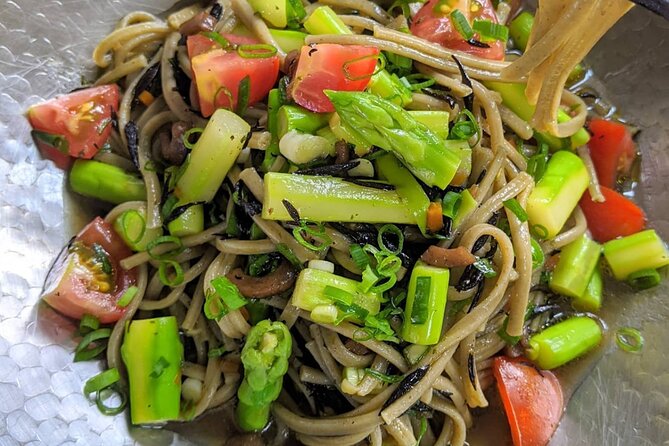
- Seasonal, home-style menu focused on comfort, balance, and vegetables
- Lunch included in a price that’s built around the meal and the experience
- Perfect timing for sightseeing with Kochi Castle and Hirome Market nearby
- Mobile ticket and a meeting spot close to public transport
Grandma’s Kitchen: A Real Kochi Lunch with Mieko and Haruka
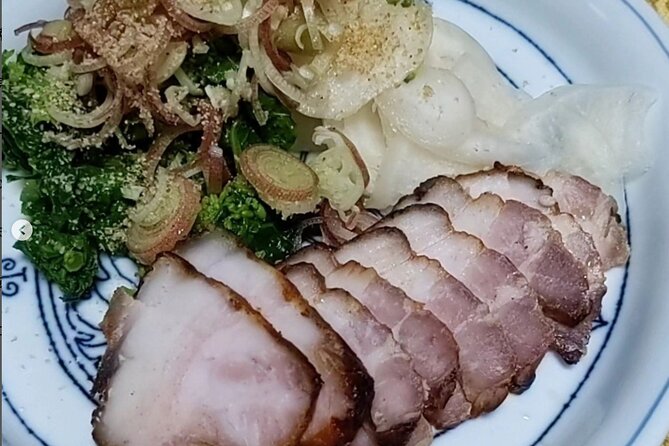
If you’ve ever felt that Japanese food tours can turn into a snack sprint, this is the opposite. Grandma’s Kitchen is built around the rhythm of home cooking: simple, wholesome dishes that land gently on the body and stick with you. In Kochi, you’ll spend about an hour inside this kitchen culture, then walk back out with full understanding of what Japanese families mean by everyday comfort.
The hosts make the difference. Mieko and Haruka (a mother-daughter team) create the kind of welcome that removes the guesswork. You’re not dropped into a hard-to-follow performance. Instead, you’re guided into the flow of meal prep and dining so you can actually participate.
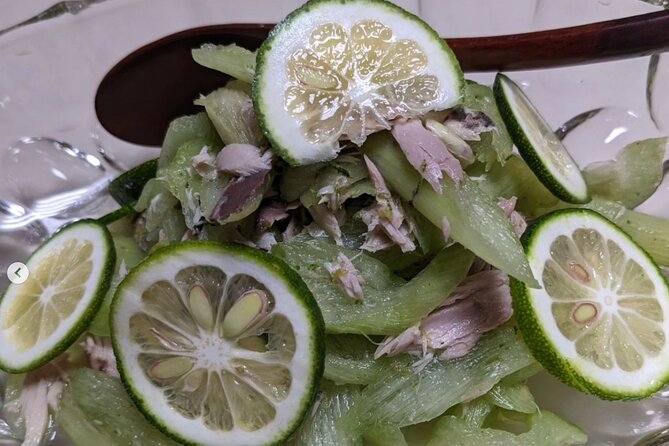
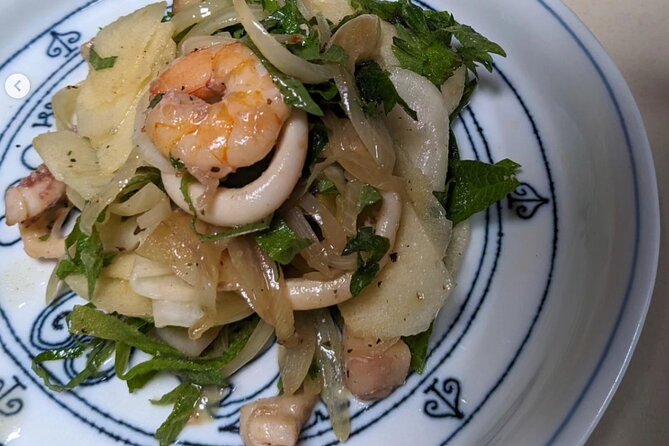
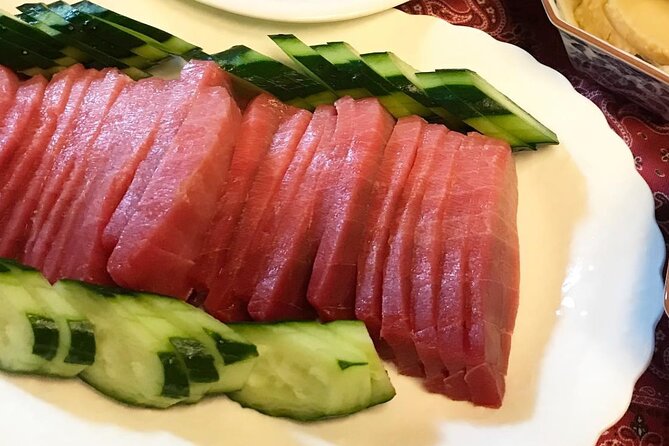
And because it’s a home meal, the style matters. Restaurant sushi or fancy kaiseki often emphasizes technique and polish. Home cooking emphasizes balance: vegetables, seasonal greens, and familiar flavors cooked with care. The menu changes with the seasons, so you’re not getting the same standardized lunch every day.
You can also read our reviews of more tours and experiences in Kochi.


What You’ll Do During the Hour (It’s More Than Just Eating)
The experience is organized around one core idea: you come for lunch, but you leave with the feeling of having helped make it. That’s why the format tends to feel intimate even for first-time visitors.
You’ll start by joining the group and getting settled at the kitchen. Then you’ll move into meal preparation. The reviews point to a real participation level—people are doing tasks, not just watching from the sidelines. One especially loved detail was how the hosts made participants feel comfortable right away, even in small settings.
During prep, expect a home-style flow rather than a strict “class” structure. Japanese home cooking is about finishing touches and timing. You might be chopping, assembling, or helping with steps that make sense inside a real kitchen, where everything is built around the meal you’ll eat shortly after.
After the work, you eat. That’s the second key moment: the dining is part of the experience, not an afterthought. You sit down with the atmosphere of a shared meal. Home hospitality is the whole point—warm, relaxed, and focused on the table.
The Menu Philosophy: Seasonal Comfort, Not Restaurant Flash
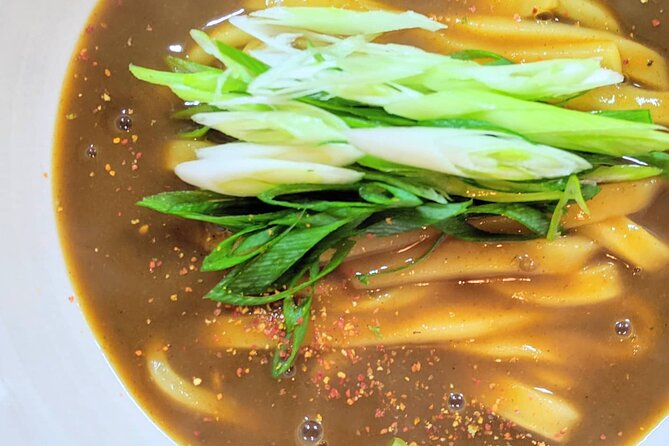
The kitchen’s style is what makes this worthwhile. Japanese home meals often look modest on the outside, but they work because they’re balanced—sweet, salty, savory, and fresh elements in the right places. Grandma’s Kitchen leans into that.
You’ll find plenty of vegetables and seasonal greens. The goal is gentle on the body and still satisfying, the way a good lunch should be when you’re out exploring. Instead of heavy sauces and showy plating, you get dishes that make sense together.
The menu changes with the season, which means your lunch is tied to what’s actually good right now. That’s a big deal in Japan. Even if you’ve eaten Japanese food before, the home cooking angle often gives you a different sense of flavor—less about technique, more about comfort.
One point to note from the strong feedback: the ingredients are described as natural and pesticide-free. That doesn’t mean you should expect a farming tour or sustainability lecture, but it does explain why the food can feel clean, fresh, and thoughtfully handled.
Where You Meet: The Easy Start at KanauJapan
Logistics matter when you’re fitting experiences into a day of walking and transit. Your start point is at KanauJapan:
KanauJapan, 780-0841 Kochi, Obiyamachi, 1-chōme1313 ビ・ウェル帯屋町 1F おびさんロード
Start time: 12:00 pm
This is one of those setups where you don’t lose half your lunch window hunting for a vague address. It’s also near public transportation, which helps if you’re combining this meal with other Kochi sights.
The experience ends back at the meeting point. That’s practical if you’re doing a half-day plan and don’t want to worry about getting back to where you started.
Hands-On Prep Value: Why Participation Feels Worth It

At $150, you should ask one question: what exactly are you paying for? Here, it’s not just a plate of food. You’re paying for access to a home-cooking process, plus the time and attention of the hosts and kitchen flow.
The small group size (max 15) matters because it keeps the experience from turning into a crowd. When the setting is smaller, it’s easier for Mieko and Haruka to explain what’s happening and for you to join in without feeling lost.
The best-rated moments in the feedback focus on intimacy and comfort—people felt welcome quickly, even when the group was just a couple plus the hosts. That’s the kind of setting where you’re less likely to feel like you’re an observer at the edge of someone else’s kitchen.
Also, hands-on prep changes how you taste. When you’ve helped with the steps, you notice ingredients differently. You understand what a sauce is doing, why certain vegetables are treated in a certain way, and how the meal comes together as a whole.





Sake and Drinks: What’s Included (and What Isn’t)
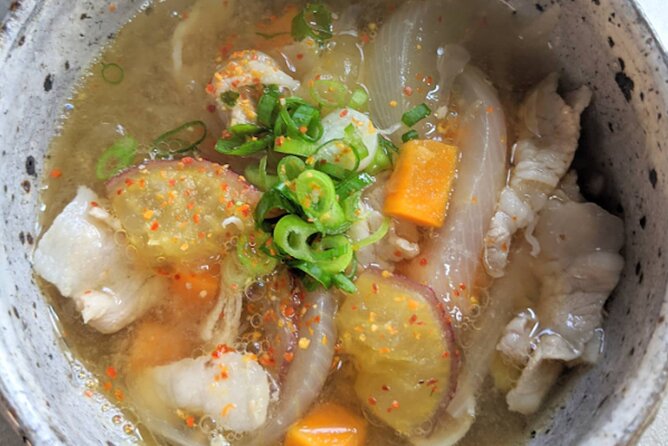
Lunch is included. Alcoholic beverages are not included in this experience.
That said, you can enjoy local sake tasting in another course. If you’re hoping to pair your meal with sake, plan on treating this lunch as the core experience, then look for an add-on elsewhere if you want the tasting option.
This separation is actually helpful. You get a clear meal format without the experience drifting into a long drinking event.
Pair It with Kochi Castle or Hirome Market
One of the best parts is what you can do right after.
After your meal, you can take a short 5-minute walk to Kochi Castle. If you’d rather jump into local food energy, you can also visit Hirome Market, one of Kochi’s most popular local spots.
This is where the hour-long timing shines. You’re not locked into a full afternoon. You can eat, reset, then head out while Kochi is still in motion. And because you’ll be nearby, you won’t burn time hauling your schedule across town.
If you plan carefully, this can become a clean “lunch + culture” block: eat home-style in a real kitchen, then see what the city looks like right outside your meal window.
Price, Duration, and Group Size: The Real Value Math
Let’s be honest about cost. $150 for about an hour is not cheap—especially if you compare it to a casual restaurant lunch. But this isn’t only about calories. You’re paying for:
- A home-cooking format with a host-led kitchen experience
- Seasonal dishes shaped by everyday Japanese habits
- Hands-on prep time, which restaurant meals don’t usually offer
- A small-group ceiling (up to 15) that keeps it personal
If you want a quick, authentic taste of how Japanese families cook and eat on normal days, the price starts to make sense. You’re effectively buying access to a guided meal that feels like you’ve stepped into someone’s routine.
The short duration is the trade-off. You don’t get an all-day program. You get a focused lunch experience that fits into sightseeing without stealing your whole day.
Who This Is Best For (And Who Might Want Another Option)
This experience is ideal if you:
- Want something more authentic than a formal restaurant meal
- Like interactive activities, not just sitting and eating
- Prefer a calmer, home-style atmosphere over elaborate presentation
- Are planning a mid-day stop in Kochi that’s easy to pair with sights
You might choose something else if you’re hoping for a long, multi-hour culinary tour or a drink-heavy evening event. This is built around lunch and the kitchen table, not extended nightlife.
Quick Practical Tips for Getting the Most Out of Your Lunch
You’ll get more out of this if you treat it like a shared meal, not a performance. Keep an open mind about the pace of home cooking. Home kitchens run on practical rhythms: short pauses, small steps, and a focus on getting the food right.
Also, since it’s a small group (max 15), your attitude matters. If you’re curious and willing to participate, the experience tends to click fast. And because it ends back at the meeting point, plan your next stop nearby so you’re not rushing.
Finally, if you want to maximize the whole day, keep your lunch block clean. After eating, Kochi Castle or Hirome Market are right there waiting.
Should You Book Grandma’s Kitchen Kochi?
Book it if you want a real home meal in Kochi with hands-on prep, hosted by Mieko and Haruka, in a small-group setting. The price is high for lunch, but it’s paying for participation and hospitality, not just food.
Skip it only if you’re looking for a longer, sightseeing-heavy culinary tour or a self-guided meal with no interaction. This experience is short, focused, and centered on the table.
FAQ
What is included in the Grandma’s Kitchen Kochi experience?
Lunch is included.
Is alcohol included?
No. Alcoholic beverages are not included. You can enjoy local sake tasting in another course.
How long is the experience?
The experience lasts about 1 hour.
What time does it start, and where do we meet?
It starts at 12:00 pm. You meet at KanauJapan, 780-0841 Kochi, Obiyamachi, 1-chōme1313 ビ・ウェル帯屋町 1F おびさんロード.
How many people are in a group?
There is a maximum of 15 travelers.
Is this experience refundable?
It is non-refundable and cannot be changed for any reason. If it’s canceled because the minimum number of travelers isn’t met, you’ll be offered a different date/experience or a full refund.