REVIEW · KOCHI
Kochi Sightseeing Tuk-Tuk Tour
Book on Viator →Operated by Legendary Kochi Tuk-Tuk Tour · Bookable on Viator
Kochi feels like a living story. This Legendary Kochi Tuk-Tuk tour strings together Fort Kochi and Mattancherry in 3–4 hours, with a local guide steering you past the obvious and toward places tied to daily life, trade, and faith. You’ll ride in an eco-friendly tuk-tuk and hear clear, practical explanations as you go.
What I like most is the way the route mixes big landmarks with everyday Kochi moments—Chinese fishing nets, church streets, a public laundry area, and old Jewish and palace history in Mattancherry. I also really appreciate the value: at many stops, admission tickets are included, so you’re not constantly checking whether you paid enough for the next door.
One consideration: it’s a multi-stop walk-and-roll route, so if you’re hoping for long, slow time at every site, you might feel the pace. The tour also runs on the right kind of day—good weather is required, especially since you’ll spend time outdoors near the beach and in street areas.
In This Review
- Quick hits: what makes this Kochi tuk-tuk tour work
- Why Fort Kochi begs for a tuk-tuk (not a checklist)
- Price and timing: the value math for $7.92
- Your route through Kochi: what each stop is really for
- St. Francis Church (Fort Kochi)
- Chinese Fishing Nets (Cheena vala)
- Fort Kochi Beach
- Dutch Cemetery
- Indo-Portuguese Museum
- Dhoby Khana Public Laundry (Dhobi Khana)
- Santa Cruz Cathedral Basilica (Fort Kochi)
- Maritime Museum Kochi
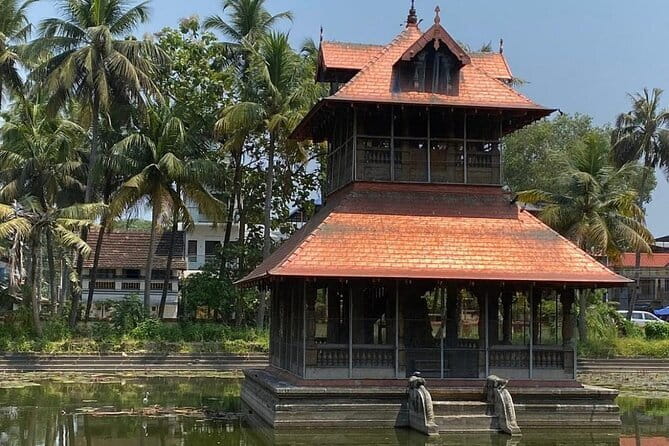
- Cochin Thirumala Devaswom Temple
- Jain Temple
- Mattancherry Palace (Dutch Palace)
- Paradesi Synagogue
- Cochin Spice Market
- Guides, local “know-how,” and why names matter
- What to do with your time at each stop (so it doesn’t feel rushed)
- Comfort tips for a tuk-tuk day in Kochi
- Who this tour suits best (and who might want a different day)
- Should you book the Kochi Sightseeing Tuk-Tuk Tour?
- FAQ
- How long is the Kochi Sightseeing Tuk-Tuk Tour?
- Is pickup included?
- What areas of Kochi does the tour cover?
- Are admission tickets included?
- Is this a private tour?
- Do I get a mobile ticket?
- What language should I expect from the guide?
- What time does the tour operate?
- Is there a cancellation option if weather is bad?
- Are service animals allowed?
Quick hits: what makes this Kochi tuk-tuk tour work
- Fort Kochi + Mattancherry loop: you’ll cover both sides of town without planning logistics
- Admission included at most stops: fewer ticket hassles during a short outing
- Free pickup and drop-off (Fort Kochi and Mattancherry areas): saves time and tuk-tuk negotiations
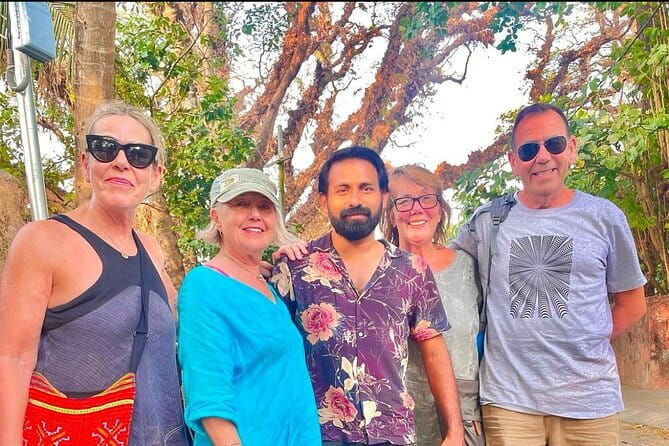
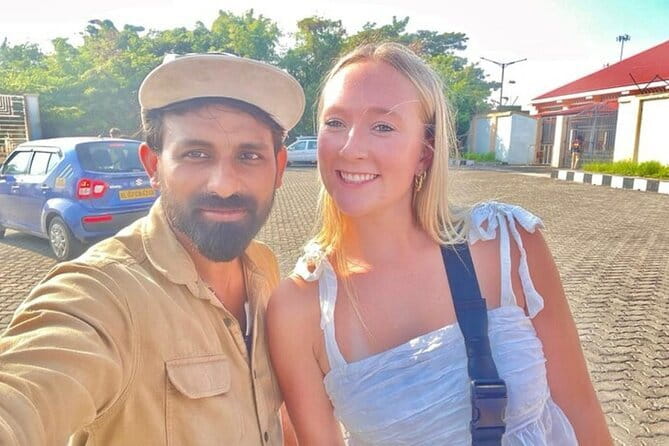
- Local guides who also help with photos: you’ll get more than directions from point A to B
- Flexible time at stops: you can often spend what you want at churches, museums, and markets
- Markets and history side-by-side: spice shopping sits right next to heritage sites
Why Fort Kochi begs for a tuk-tuk (not a checklist)
Fort Kochi is packed. Narrow lanes, church bells, trading-history buildings, and seaside air all mix together fast. Trying to do it all on your own can turn into a lot of “Where’s the next place?” and “Did I buy the right ticket?” time.
That’s where the tuk-tuk setup shines. You get the freedom of short hops, but with someone who already knows the rhythm of the streets. The tour keeps you moving between major anchors—like St. Francis Church and the Chinese Fishing Nets—and then threads through surrounding sites that explain how Kochi grew into a coastal port city.
I also like that it’s built around human-scale touring. You’re not stuck on a huge bus where you’re one face in the crowd. You’re in a tuk-tuk where you can ask a question, stop for a quick photo, or adjust your pace when the lane tightens up.
You can also read our reviews of more tours and experiences in Kochi.

Price and timing: the value math for $7.92

At about $7.92 per person, this tour is priced like an easy add-on day—yet it’s structured like a real route. The big value isn’t just the low number. It’s what’s folded in:
- Many listed stops include admission tickets
- You get a planned 3–4 hour circuit (long enough to feel complete, short enough not to burn a whole day)
- Pickup and drop-off are offered for people staying around Fort Kochi and Mattancherry
- You get a private setup for your group, not a mixed crowd shuffle
So what you’re really paying for is less friction. Instead of spending time figuring out ticketing and sequencing, you’re spending time looking. That matters in Kochi, where heritage sites often sit close together but require a smart route to connect them efficiently.
Timing note: the route moves through the morning-to-evening window (the service runs daily). Still, you’ll feel the heat and sun if you go at the hottest parts of the day, and you’ll want comfortable footwear since several stops involve short walks and time outside.
Your route through Kochi: what each stop is really for
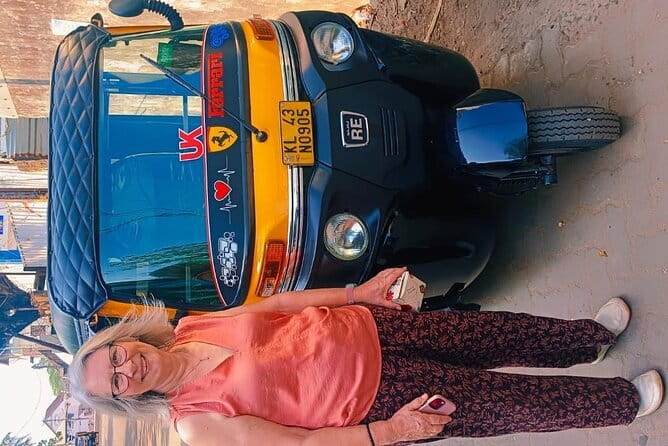
This is a private experience, so the pace can match your group. Most days, the “feel” is a heritage walk with tuk-tuk breaks—church history, maritime connections, and then Mattancherry’s palace and community landmarks.
Here’s how the stops fit together, and what to watch for.
St. Francis Church (Fort Kochi)
This church is one of the oldest European churches in India, originally built in 1503. It’s not just architecture to photograph; it’s the kind of place that helps you understand how early European presence shaped parts of Fort Kochi.
What I’d do: pause for a quiet look, then step outside and compare the church’s setting with the street life around it. The contrast makes the history feel real.
Small consideration: it’s a working religious site. Dress respectfully and keep your timing gentle.
Chinese Fishing Nets (Cheena vala)
These are the famous stationary lift nets—what most people think of when they hear Chinese fishing nets in India. The best part of this stop isn’t only the name; it’s the technology and the coastline connection. The nets sit in a working coastal environment, so it’s history you can still see in use.
What I’d do: look closely at how the net system works and how it relates to tides and labor. If you’re a photo person, this is a natural framing stop with the water background.

Fort Kochi Beach
You get a quick stretch near the Arabian Sea. This stop is short, but it gives you a reset between heritage sites and indoor/outdoor monuments. It’s also a practical break for your legs and your head.
Tip: keep water handy. Even when the schedule is moving, the beach time is part of the route, not a free-for-all.
Dutch Cemetery
This cemetery is tied to old European communities and imperial-era residents who left their homelands centuries ago. It’s a different kind of history stop—quiet, reflective, and easy to rush if you’re not paying attention.
What to watch for: the layout and old gravestone presence. It’s a small place, but it says a lot about the port city’s long connections.
Consideration: it can feel more somber than the other stops. Plan to slow down for a few minutes.
Indo-Portuguese Museum
This museum focuses on the Indo-Portuguese connection, which helps tie together the church and broader colonial-era story. It’s a good stop when you want a bit more context without spending hours reading on your own.
What I’d do: spend just enough time to connect the dots between trade, religion, and European influence—then roll back out into the streets.
Dhoby Khana Public Laundry (Dhobi Khana)
This is one of the more human “watch Kochi at work” moments. It’s the historic public laundry area near Veli Ground at Fort Kochi. Even though modernization is mentioned, the place still represents the Vannar community’s role in daily labor.
What I’d do: look for the motion and routine more than the “photo pose.” It’s the kind of scene that makes a city feel lived-in.
Small drawback: since it’s an active laundry context, it may not feel like a museum stop. You’ll either love the daily-life watching or want a bit more time elsewhere.
Santa Cruz Cathedral Basilica (Fort Kochi)
This basilica is one of the eight basilicas in Kerala and is known as one of Kerala’s heritage edifices. Again, you’re not just ticking off churches—you’re learning how major religious communities grew side-by-side in Fort Kochi.
What I’d do: take a moment inside if you’re able and comfortable with the pace of the site, then step out and notice the surrounding streets and how the building anchors the neighborhood.
Maritime Museum Kochi
If your brain likes sea history, this one delivers. The Maritime Museum Kochi examines naval history with warship models, artillery, and uniforms on display.
Why this works in the middle of a walking route: it explains the “why” behind Kochi’s port importance. Before you head to Mattancherry, you now have a better sense of the maritime power behind the city’s connections.
Consideration: it’s a museum stop, so it may feel slower than the outdoor sites. If you like museums, great. If not, you can still get plenty from the main displays in the allotted time.
Cochin Thirumala Devaswom Temple
This temple—also called Gosripuram—is described as a major socio-religious institution of the Gowda Saraswat Brahmins of Kerala, located at Cherlai. In practical terms, it’s a strong example of how Kochi’s spiritual landscape isn’t only European or Jewish.
What I’d watch for: the change in mood when you go from streets and museums into temple space. It’s a reminder that Kochi is still very much part of present-day religious life.
Jain Temple
This Jain place of worship has a noted daily routine tied to feeding/pigeon show held every day at noon. That gives the stop a sense of timing and routine, not just sightseeing.
Tip: if your schedule lines up, arriving near the noon timing can add meaning to the visit. If you’re not near noon, you can still see it as part of a living daily tradition.
Mattancherry Palace (Dutch Palace)
Mattancherry Palace is Portuguese in origin, popularly known as the Dutch Palace. It’s known for Kerala murals depicting portraits and exhibitions of the Rajas, which is where you see visual storytelling through art.
What I’d do: focus on the murals and the way they represent rulers and culture. If you can, take a few photos, but don’t rush—this is the kind of place where details are worth your attention.
Paradesi Synagogue
This is the oldest active synagogue in the Commonwealth of Nations, constructed in 1568. It’s one of the seven synagogues connected to the Malabar Yehudan Jewish communities, which makes this stop feel like a real thread in Kochi’s long trade history.
What to watch for: the continuity of a place that’s still active. It changes the way you think about “heritage buildings.”
Cochin Spice Market
This is the practical finale: a down-to-earth shop with polished displays where spices are sold in bulk. If you’ve been learning about trade and port history for hours, the spice market feels like the natural end point.
What I’d do: ask what you can smell and taste in that moment. You’ll learn fast because spices are obvious once you pay attention with your senses.
Small drawback: if you’re not buying anything, budget a few minutes anyway. It helps you “close the loop” from history to real commerce.
Guides, local “know-how,” and why names matter
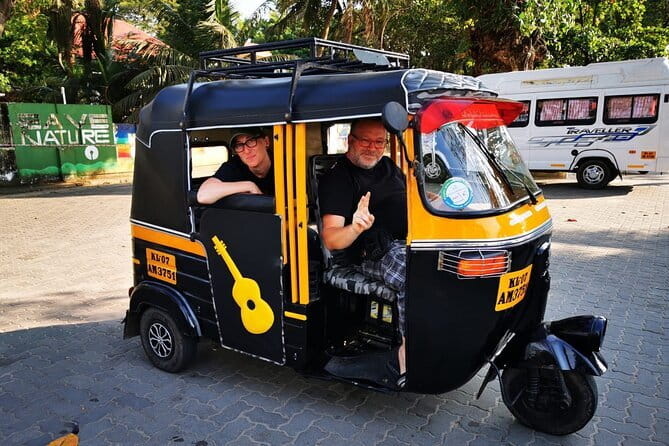
A big reason this tour earns consistent top marks is the person behind the wheel and the explanations. Guides like Ishaq Ismail, Aslam, Shabee, Shabeer Rasheed, and Sameer show up in the kind of notes you want to see: friendly conversation, good English, patience, and help with reasonable shop choices.
One detail I like is how some guides double as photo helpers. If you’ve ever tried to take your own pictures with shaky results, you’ll appreciate someone who knows where the light lands and how to frame the streets without making it awkward.
Also, the tour tends to feel fair. Guides are described as not rushing you, not pushing overpriced extras, and waiting while you look around. That’s huge when you’re trying to enjoy Kochi rather than feel herded.
What to do with your time at each stop (so it doesn’t feel rushed)

Even though the tour is organized, your enjoyment depends on how you spend your minutes. Here’s a simple strategy:
- For churches and the synagogue: give yourself time to step inside briefly, then step back out and watch the street again.
- For outdoor items like the Chinese Fishing Nets and the beach: stay mindful of shade. You can photograph fast, then let your eyes adjust.
- For museums: read enough to connect the dots, not enough to memorize it. You’re building a picture of the city, not writing a thesis.
- For markets: treat it like a conversation. Ask about what the spice is used for, not just the price.
This tour works best when you’re open to short stops that still carry weight. If you expect one-hour-long museum sessions and full-day lounging, you’ll likely want a different plan.
Comfort tips for a tuk-tuk day in Kochi
Tuk-tuks are fun, but they’re still outdoor and street-level. You’ll enjoy the ride more if you plan for the basics:
- Wear comfortable shoes since several stops involve short walks and uneven ground.
- Bring water. Even if your schedule is smooth, the heat adds up.
- Use sun protection. Fort Kochi streets can expose you quickly.
- If you’re sensitive to crowds or noise, pick a calm day time within the operating window.
And remember: the tour requires good weather. If rain is a factor, you’ll want to check the day’s conditions and be flexible.
Who this tour suits best (and who might want a different day)
This is a strong fit if you:
- Want a first-time orientation to Fort Kochi and Mattancherry
- Prefer a guided route that prevents decision fatigue
- Like history, but also like seeing daily life scenes (like the laundry stop)
- Value a plan where admission is handled at many sites
It might not match you as well if you:
- Want a long, deep museum day with minimal moving
- Hate any kind of schedule with multiple stops
- Need long wheelchair-friendly access details beyond what’s stated (the tour says most people can participate, but no extra specifics are provided here)
Should you book the Kochi Sightseeing Tuk-Tuk Tour?
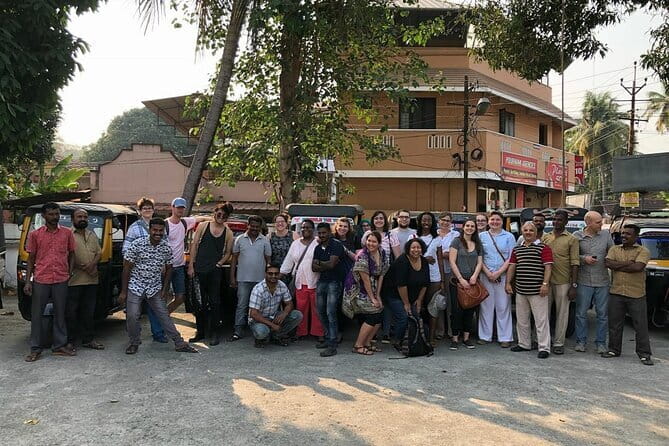
If you want an efficient, friendly way to experience Fort Kochi and Mattancherry without building a route from scratch, I’d book this. The price-to-inclusions ratio is hard to ignore, especially since admission is included at many of the core stops. Add in the consistent praise for patient, English-speaking local guides like Aslam, Ishaq Ismail, Shabee, Shabeer Rasheed, and Sameer—and you get a day that feels guided but not controlling.
Book it if you’re traveling with a mix of interests: churches, maritime history, community landmarks, and a real spice market end point. Skip it only if you’d rather do one or two sites extremely slowly.
FAQ
How long is the Kochi Sightseeing Tuk-Tuk Tour?
The tour lasts about 3 to 4 hours.
Is pickup included?
Pickup is offered. Free pickup and drop-off are mentioned for travelers staying in and around Fort Kochi and Mattancherry.
What areas of Kochi does the tour cover?
The route focuses on Fort Kochi and Mattancherry.
Are admission tickets included?
Admission tickets are included for many listed stops. Fort Kochi Beach is listed as free.
Is this a private tour?
Yes. It’s private, and only your group participates.
Do I get a mobile ticket?
Yes, mobile tickets are part of the experience.
What language should I expect from the guide?
The tour information and guide feedback indicate good English is used.
What time does the tour operate?
It lists hours as Monday–Sunday from 12:00 AM to 11:30 PM.
Is there a cancellation option if weather is bad?
Yes. The experience requires good weather, and if it’s canceled due to poor weather, you’ll be offered a different date or a full refund. Free cancellation is allowed up to 24 hours in advance for a full refund.
Are service animals allowed?
Yes, service animals are allowed.