REVIEW · KOCHI
Kochi Village Life Experience tour – The Real Tour of Kochi !
Book on Viator →Operated by Biju's Tours · Bookable on Viator
Real Kochi is workshop-sized, not museum-sized. This Kochi Village Life Experience strings together fish farms, coconut oil making, coir production, and the tools of fishing, all with pickup so you don’t have to figure out the in-between parts yourself. I especially like the hotel pickup and drop-off and the hands-on feel of stops like boat-building and the fishing-net area. One thing to plan for: you’ll be moving between dispersed villages, so expect time in the car and some outdoor walking.
My other favorite part is the variety packed into one morning. You’re not just watching one industry—you bounce between working seaside areas, food/commodity production, and then back to Fort Kochi for spice and local shopping. If your guide is Sabeer or Shaji (they’re specifically mentioned in past experiences), you’ll get that calm local guidance that makes small details click.
In This Review
- Key things to know before you go
- Why this Kochi village tour feels like the real deal
- The value of seeing work, not just places
- Price and value: what $25 buys you in 4 hours
- Morning logistics from Fort Kochi to the first work sites
- How long does it take to get going?
- Fish farms, mud crabs, and traditional fishing methods
- What to watch for on the fish stop
- A practical note: comfort matters here
- Coconut oil factory: drying, processing, and fresh oil
- What makes this stop different
- Drawback to consider
- Fishing nets and handmade boats at work scale
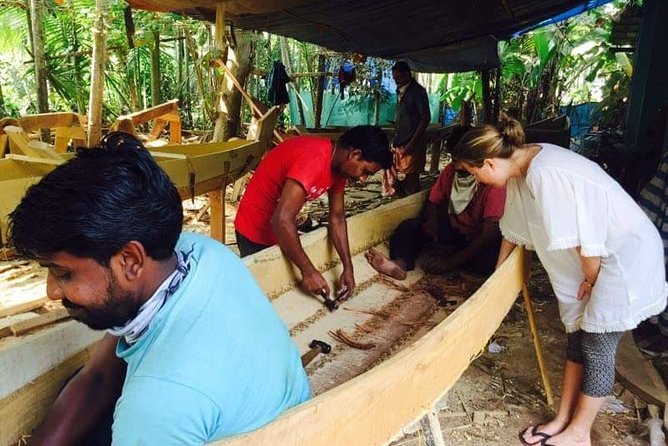
- What you should look for with boats
- Coir factory: women’s work making mats and door mats
- Why this stop sticks with me
- Fort Kochi spice markets and craft shop time
- Quick advice for the market portion
- The driver and local expert: the real advantage
- What to bring, and how to fit it into your Kochi day
- Lunch planning
- Should you book the Kochi Village Life Experience tour?
- FAQ
- What is the duration of the Kochi Village Life Experience tour?
- What time does the tour start?
- Where does the tour start and end?
- Is hotel pickup and drop-off included?
- Is lunch included?
- What’s included in the tour price?
- What will we see during the tour?
- Is the tour private?
- What kind of weather conditions does the tour run in?
- What if the tour is canceled due to poor weather or if I cancel?
Key things to know before you go
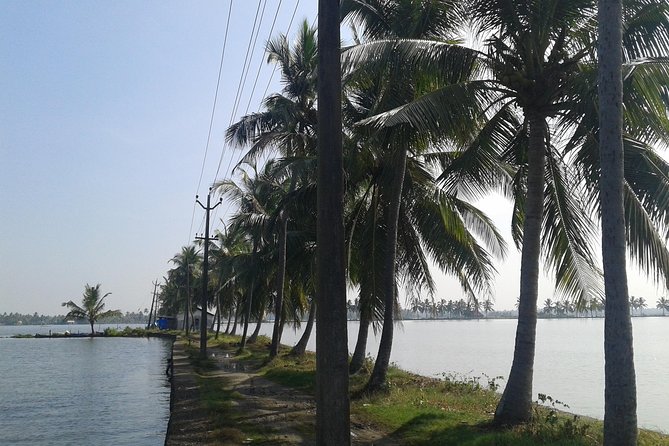
- Pickup + a driver fix the navigation problem: you get transportation between dispersed sites
- Fish farm stop with live mud crabs: you’ll see how harvest connects to export
- Coconut oil making up close: drying and processing, not just finished product
- Coir factory views: watch coir production used for mats and door mats
- Fishing nets and handmade boats: traditional methods shown at work-scale
- Fort Kochi spice markets at the end: craft shops and local market browsing on the way back
Why this Kochi village tour feels like the real deal
If you want Kochi beyond the obvious viewpoints, this is the kind of tour that helps you do it. It’s built around everyday production—stuff locals rely on—so you spend your time where goods are made and trades are practiced.
The day moves through a handful of village-style stops. First, you head toward fish farms to watch methods of catching fish. Then you shift inland (or to different work areas) to see coconut oil being made and coir being processed. Finally, you return to Fort Kochi for spice-market energy and browsing.
The best part is the pacing. Even though it’s about 4 hours, it doesn’t feel rushed in the “see everything in 10 minutes” way. The tour is structured around work sites, which naturally take time to explain and observe.
You can also read our reviews of more tours and experiences in Kochi.

The value of seeing work, not just places
In Kerala, a lot of the interesting stuff is behind the scenes: how coconut turns into oil, how coir turns into mats, how fishing gear works, and what’s happening at the fish market/farm level. This tour gives you a pass into those scenes without you needing to plan each stop, hire separate transport, or worry about whether you’re going to the right area at the right time.
And because it’s guided, you’re less likely to miss what you’re actually looking at. You’ll know what’s being processed, why it matters, and how it fits into local life.
Price and value: what $25 buys you in 4 hours
At $25 per person for a roughly 4-hour outing, the key question is what you’re getting besides “a ride.” The answer is: transport between multiple dispersed sites plus a guide who brings you into several different workshops and working areas.
Look at what’s included:
- Hotel pickup and drop-off (selected hotels)
- A driver/local expert
- Bottled water
- Air-conditioned transport, plus a tuk tuk depending on the route/options
- A private setup for your group
On its own, paying for even one guided factory visit plus separate transport would usually cost more than this. Here, you’re essentially buying a bundled day: multiple production stops + fishing-related stops + Fort Kochi market time, all with logistics handled.
What’s not included is also important:
- Lunch (so plan snacks or eat before/after)
- Souvenir photos (if you want them, you’ll pay extra)
If you’re traveling on a tight budget but still want authentic scenes, this is one of those tours that makes your money feel like it went into experiences—not just transport.
Morning logistics from Fort Kochi to the first work sites
The tour starts at 9:00am and ends back at the meeting point. The meeting point is listed as Fort Kochi, Kochi, Kerala, India, and pickup is offered from selected hotels.
Here’s the practical part: because stops are spread out, the tour is designed so you meet, then go. You won’t be stuck figuring out which road to take or which area is “the right one.” A driver transports you between villages and work sites.
Before you go, make sure you have a usable contact number and a WhatsApp number. The pickup depends on being able to reach you smoothly, and they note it’s helpful for better pickup and in case of emergency.
How long does it take to get going?
You meet at your hotel or the mentioned locations, then the day starts by heading toward the village/work areas. Even if your morning routine in Kochi runs late, you’ll want to be ready early—once the route begins, it’s hard to slow down without affecting the rest of the stops.
Fish farms, mud crabs, and traditional fishing methods
The first big “work world” stop is the fish-farms area. This is where you’ll see different methods of catching fish—more than one approach, not just a single demo.
Then comes a detail that’s easy to overlook unless someone points it out: you’ll also see a crab store area where live mud crabs are collected for exporting. Watching how live seafood moves from collection to the export supply chain gives you a more complete picture of coastal livelihoods.
What to watch for on the fish stop
When you’re at the fish farms, don’t just look at the water and equipment. Focus on the methods:
- What gear is being used
- How fishermen approach the catch
- How the process connects to storage/collection areas
This is the kind of stop where questions help. If something looks unfamiliar, ask your local expert what it is and why that method is used.
A practical note: comfort matters here
Fish-farm areas can be outdoors and close to working zones. Wear comfortable shoes you don’t mind getting a bit dusty or wet. If you’re sensitive to sun or wind, bring a light layer.
Also, because the tour operates in all weather conditions, you’ll want rain-aware clothing if the forecast looks questionable.
Coconut oil factory: drying, processing, and fresh oil
Next, you’ll visit a coconut oil factory where you can watch the flow from coconut drying and processing to the making of fresh coconut oil.
This stop is valuable for two reasons:
- It turns a common product into a real process you can visualize.
- It shows how agriculture becomes something people use every day—or sell to others.
What makes this stop different
A lot of tours “show you” a finished item. This one is about how it’s made. You’ll see coconut drying, then the steps involved in processing, leading to fresh coconut oil.
Even if you’ve seen coconut oil in shops before, this kind of factory visit makes the product feel grounded and local. It’s not imported. It’s made nearby, by people who have done it for years.
Drawback to consider
Factory areas can mean dust, machines, and strong smells. If you’re extremely sensitive to odors or loud sounds, it’s worth knowing you’re going into a working production environment, not a quiet visitor showroom.
Fishing nets and handmade boats at work scale
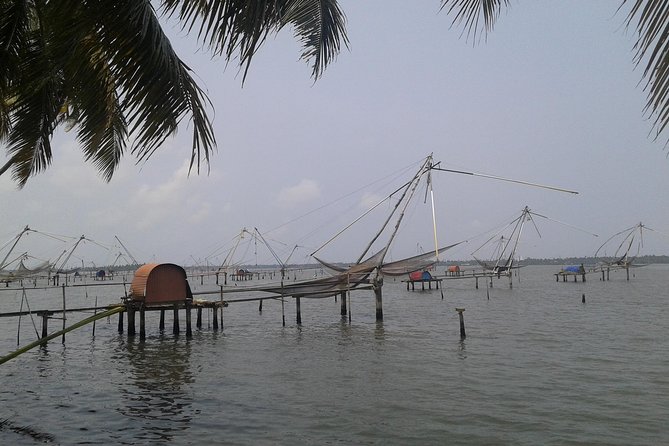
After the oil stop, you’ll go to the fishing nets area to explore the traditional way of catching fish using smaller Chinese fishing nets. These nets are a major part of Kerala coastal fishing, and seeing them in context helps you understand how they function as tools, not as a photo backdrop.
Then the day adds a real wow factor: the art of making handmade fishing boats. It’s described as an absolute wonder, and the underlying reason makes sense. Boat-building is craft work—measuring, shaping, assembling—and it’s hard to appreciate from a distance.
What you should look for with boats
If you’re walking around a boat-making area, don’t rush to take only photos. Pause and watch:
- How materials are arranged and handled
- How the craft pieces fit together
- How the builders think about function and durability
This is where the tour goes from “sightseeing” to “skill appreciation.”
Coir factory: women’s work making mats and door mats
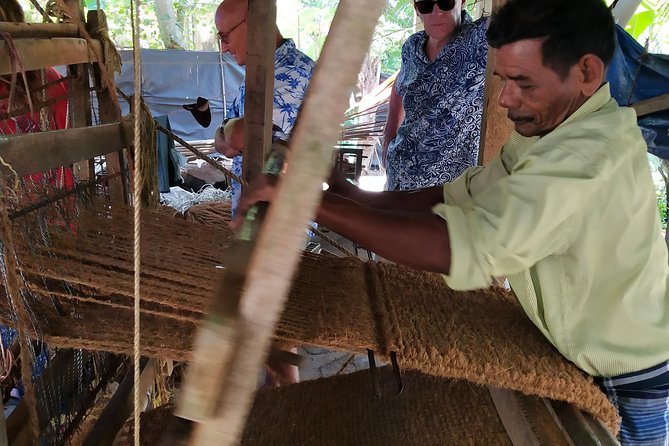
Another highlight is the coir factory. Here you’ll watch natural coir being made by village women—specifically for products like floor mats and door mats.
Coir matters in everyday life in Kerala. It’s used for practical surfaces, and it’s tied to the local way of turning plants into useful household goods. This stop doesn’t just show a product—it shows a line from raw material to something people use at home.
Why this stop sticks with me
The coir factory adds balance. Between fish farming, coconut oil, and boat-making, it could tilt toward one industry. Coir makes the day feel more “village wide,” showing another local livelihood.
It’s also a good reminder that village life isn’t only about the sea. There’s production, processing, and craft work happening inland too.
Fort Kochi spice markets and craft shop time
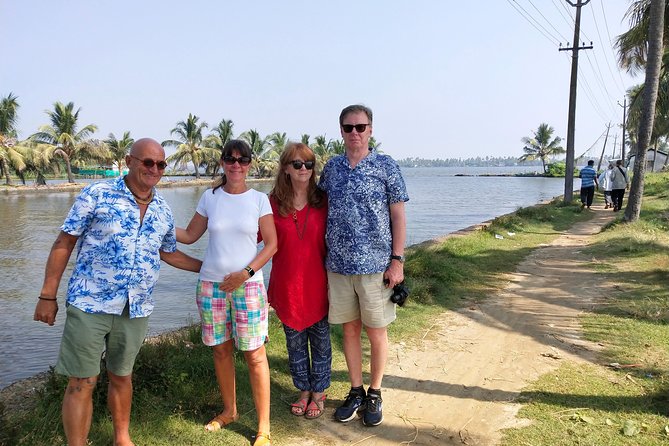
To finish, you head toward Fort Kochi for spice markets, a craft shop, and a local market. This is your browsing and souvenir window (even though lunch isn’t included, this portion helps you keep the day feeling fun and not just educational).
Spice-market areas can be intense in the best way: smells, colors, and people doing business. This stop works well because it’s timed after the production scenes. You’re not just shopping—you’re connecting the spices to the larger idea of local goods moving from village work to commercial channels.
Quick advice for the market portion
Bring cash for small purchases. Keep an eye on what you buy if it’s food-related. And if someone is offering strong-selling explanations, ask a simple question: what makes this spice different from the rest? You’ll usually get a practical answer.
The driver and local expert: the real advantage
Transport and timing are the invisible heroes of this tour. Without a driver, jumping between dispersed villages and work sites can get complicated fast—especially when you’re trying to line up routes, parking, and the right time windows for each stop.
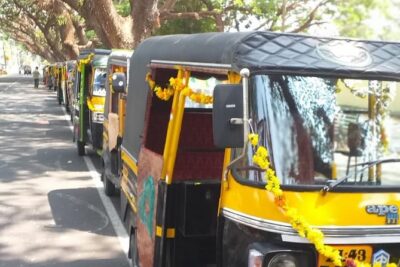
On this tour, the driver transports you between locations in an air-conditioned car or van, with a tuk tuk depending on the options. That mix can be helpful. You’re not stuck in one long ride the whole time, and you still get comfort between stops.
Also, local experts matter because they can explain what you’re seeing. In past experiences on this route, guides like Sabeer and Shaji have been singled out for friendly, caring, and knowledgeable guidance. Even if you don’t get the same guide, you’re still working with the same core idea: you’re not left alone at the sites.
What to bring, and how to fit it into your Kochi day
This is a 9:00am start, and it returns you to the meeting point at the end. That makes it a good morning plan before the more casual afternoons in Fort Kochi.
Bring:
- Comfortable walking shoes
- Sun protection or a light layer (especially for outdoor coastal/work areas)
- A small water-friendly setup, even though bottled water is included
- Cash for the spice market and local shops
- A WhatsApp-accessible phone if you want smooth pickup coordination
Lunch planning
Lunch is not included. Since the schedule is packed with stops, you’ll want to handle meals strategically. Eat a proper breakfast before pickup, or plan a meal right after you return.
Should you book the Kochi Village Life Experience tour?
Book it if you want Kochi village life through real working scenes: fish farms, coconut oil making, coir production, fishing nets, handmade boats, and then spice-market time. The bundled logistics—pickup, air-conditioned transport, and a guided day—make it great value for $25.
Skip it if:
- You hate multi-stop days and long drives between sites
- You need a tour that includes lunch or long sit-down breaks
- You’re uncomfortable around outdoor work areas and factories
For most visitors who like hands-on learning and don’t want to puzzle out transportation, this tour is a smart way to spend a morning in Kerala.
FAQ
What is the duration of the Kochi Village Life Experience tour?
It lasts about 4 hours.
What time does the tour start?
The start time is 9:00am.
Where does the tour start and end?
It starts in Fort Kochi, Kochi, Kerala, India, and ends back at the same meeting point.
Is hotel pickup and drop-off included?
Yes, hotel pickup and drop-off are included for selected hotels.
Is lunch included?
No, lunch is not included.
What’s included in the tour price?
It includes hotel pickup/drop-off (selected hotels), a driver/local expert, bottled water, a private tour setup, transport by air-conditioned car/van and tuk tuk depending on options, and an air-conditioned vehicle.
What will we see during the tour?
You’ll see fish farms and methods of catching fish, a crab store for live mud crabs collected for exporting, a coconut oil factory, fishing nets using smaller Chinese fishing nets, handmade fishing boats, a coir factory making natural coir for mats and door mats, and Fort Kochi spice markets and local shops.
Is the tour private?
Yes. It’s a private tour/activity, so only your group will participate.
What kind of weather conditions does the tour run in?
It operates in all weather conditions, and you’re advised to dress appropriately.
What if the tour is canceled due to poor weather or if I cancel?
If it’s canceled due to poor weather, you’ll be offered a different date or a full refund. You can cancel for a full refund up to 24 hours in advance, and less than 24 hours before the start time is not refunded.