REVIEW · KOCHI
Walking Tour of Fortkochi
Book on Viator →Operated by Day in Cochin Tours · Bookable on Viator
Fort Kochi rewards slow footsteps. This 2-hour heritage walk links Portuguese, Dutch, and English trading history to places you can actually stand in today, from Princess Street to the Fort Kochi beach promenade. It’s also built for real life in the area, not just monuments on a map.
I love how the route stays compact—about 1.5 km total—so you can see a lot without feeling wrecked. I also like that the stops are naturally spaced, which makes it easy to pause for photos and small moments of daily Kochi, like watching fishermen near shore. The biggest thing I’d watch is that it’s a walking-focused tour: if you’re craving long museum time or a slower, lingering beach session, you may want extra hours on your own.
If the weather turns, you’ll still get out there. The tour runs in all weather conditions, so you’ll need to dress for rain or sun, and you should bring sensible footwear.
In This Review
- Quick take: what you’ll like most
- Where Fort Kochi Tells the Story Better Than Any Museum
- The 2-Hour Walking Plan: Stop by Stop in Plain English
- Stop 1: Princess Street and its Portuguese street vibe
- Stop 2: Church of Saint Francis, the European Catholic footprint
- Stop 3: Chinese Fishing Nets close to the shore
- Stop 4: Dutch Cemetery and the European collision history
- Stop 5: Santa Cruz Cathedral Basilica, one of Kerala’s nine basilicas
- Stop 6: Fort Kochi Beach and the promenade finish
- Guides That Make the Walk Feel Personal: Vijesh and Basheer Energy
- Why the Free-Sites Format is Real Value (Not Just Marketing)
- Logistics That Affect Your Comfort (And How to Handle Them)
- Who This Walk Fits Best in Your Trip
- How to Get More Out of Each Stop
- Should You Book This Fort Kochi Walking Tour?
- FAQ
- How long is the Walking Tour of Fortkochi?
- How much does the tour cost?
- Is the tour walking only, and how far do we go?
- What’s included in the price?
- Where does the tour start?
- Does the tour run in bad weather?
Quick take: what you’ll like most
- A tight 1.5 km route that fits into a short Kochi day without stress
- Colonial-era landmarks tied to Portuguese, Dutch, and English trade
- Up-close Chinese fishing nets viewed from near the shore
- A local guide who adjusts to your pace, with friendly, clear explanations
- Seaside promenade time for a calmer, coastal finish
- Private tour format so it’s only your group moving together
Where Fort Kochi Tells the Story Better Than Any Museum
Fort Kochi is one of those places where history isn’t stuck behind glass. You feel it in the streets, in the church fronts, and even in the cemetery grounds that mark old conflicts between European powers. This walk is interesting because it moves you through that layered past in a logical, on-foot way.
The route is centered on the island’s role in foreign trade—back to the era when Portuguese, Dutch, and English traders were competing and cooperating around the wealth of the region. Rather than sitting through a lecture, you walk between reminders of those eras and connect the dots as you go. It’s also a practical introduction to the neighborhood: once you’ve done this loop, you’ll understand where things are and how the streets connect.
You can also read our reviews of more walking tours in Kochi



The 2-Hour Walking Plan: Stop by Stop in Plain English
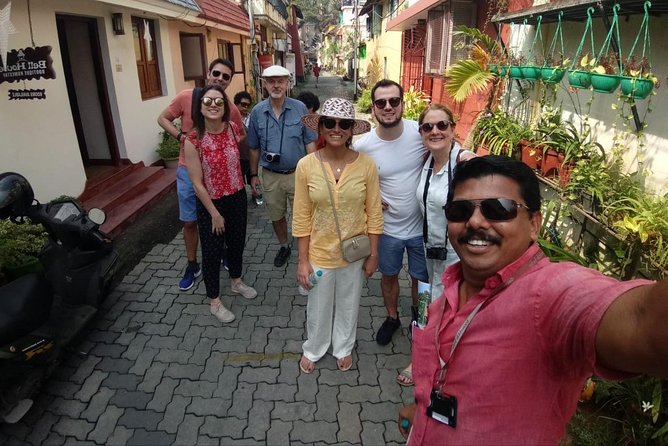
This is a guided heritage walk lasting roughly 2 hours, with a total walking distance of about 1.5 km. The pace is meant to work for different ages and fitness levels, and the stops are spread so you’re not sprinting from one landmark to the next.
You’ll also get bottled water, which sounds small until you’re standing in Kerala humidity between church doors and the coastline.
Stop 1: Princess Street and its Portuguese street vibe
You start at Princess Street, described as one of the oldest Portuguese streets in India, lined with colonial-style architecture. Even if you don’t know the technical terms, you’ll recognize the feel: it’s a street where the past is built right into the facades.
Why it matters: this is your first “anchor” stop. Once you see the architecture here, the rest of the walk makes more sense. You’re not just collecting photos—you’re building context.
A small consideration: it can be sun-strong depending on the day, so plan to hydrate and keep your camera strap handy.
Stop 2: Church of Saint Francis, the European Catholic footprint
Next is the Church of Saint Francis, noted for being the first Catholic European church in India. Standing outside, you get a quick sense of how deeply European Christian influence took root along trade routes.
Why it matters: this stop helps shift the story from trading ships to the institutions that traders brought with them—religion included. If you care about how trade cultures changed local life, this is a key point.
Time-wise, you’re not stuck here for ages. You get enough to understand why the church is significant and move on.
Stop 3: Chinese Fishing Nets close to the shore
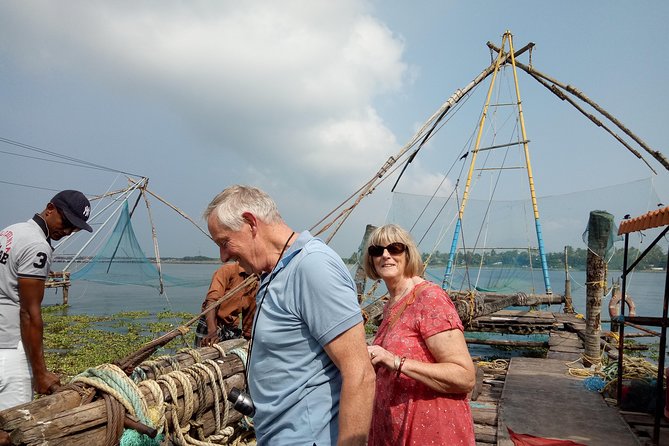
Then comes the most visually satisfying stop for many people: the Chinese Fishing Nets. This is singled out as the only place in India where you can see fishing very close from the shore.
Why you’ll probably love it: it’s one of the rare heritage moments that feels like living work rather than scenery. The nets and the rhythm around them make the area feel active, not staged. You also get an easy chance to photograph hands, nets, and the coastal geometry.
Practical note: sea activity and fishers’ routines can affect what you see at any given moment. If you’re a photographer, bring a lens that can handle both wider beach scenes and tighter subject shots.



Stop 4: Dutch Cemetery and the European collision history
After the coastal motion, you visit the Dutch Cemetery, described as a battle ground of the Europeans. This is a shorter stop, but it carries weight.
Why it matters: it adds the harsher side of colonial competition. In trade routes, wealth always had a shadow, and this ground reflects conflict rather than commerce alone.
A consideration: cemeteries ask for a respectful tone. Keep voices down and dress appropriately, especially around religious spaces.
Stop 5: Santa Cruz Cathedral Basilica, one of Kerala’s nine basilicas
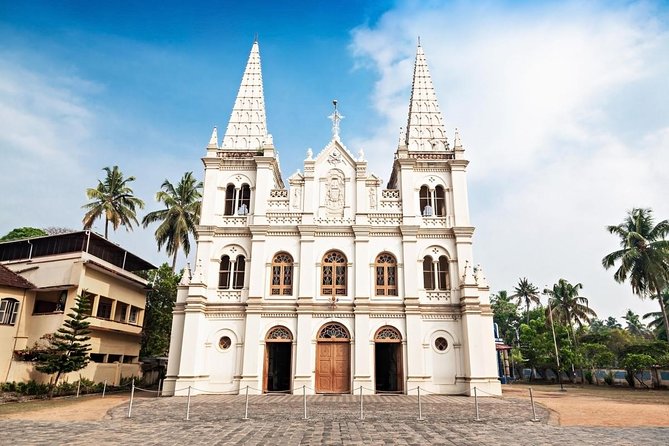
You then come to Santa Cruz Cathedral Basilica, described as one of the nine basilicas in Kerala. This stop lands in the middle of the route as a major landmark and a good “reset” point—big architecture, strong sense of place.
It’s also your meeting point, so you’ll recognize it clearly when you start and when you finish. That helps the whole walk feel like a loop, not a confusing hop between distant points.
Time-wise, you get enough to take it in without feeling hurried.
Stop 6: Fort Kochi Beach and the promenade finish
Finally, you reach Fort Kochi Beach, where you can see remains of old colonial forts and spend time along the seaside promenade. This is where the walk becomes more relaxed.
Why it matters: the coastline gives you space to think about what came before—trade, ships, and power—and what continues now: daily coastal life. It’s also a great place to slow down before you return.
A small drawback: this final stretch can feel less “structured” than the church and street stops. If you want a highly guided script every minute, you might want to keep an eye on what the guide points out, since the beach naturally invites wandering.
Guides That Make the Walk Feel Personal: Vijesh and Basheer Energy
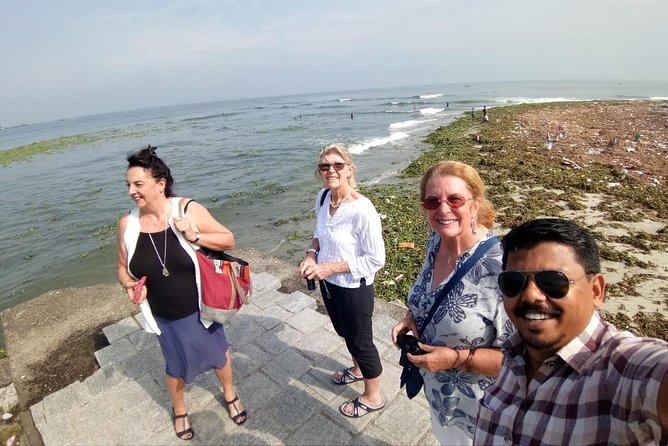
The tour includes a local guide, and the quality of that guide is a major reason people rate this so highly. In the feedback, guides like Vijesh and Basheer show up repeatedly—both described as friendly, accommodating, and able to explain history in a way that’s easy to follow.
I particularly like the pattern in the compliments: people call out that the guide doesn’t just recite facts. They adapt. You’ll see it in things like pacing at your level, clear English, and staying flexible if you want to pause for photos or slow down around a stop.
You’ll also get practical onward help. Multiple people mention that their guide shared recommendations for what to do next in Kochi, not just what to do on the walk. That turns the tour into a planning tool for the rest of your trip.
Why the Free-Sites Format is Real Value (Not Just Marketing)
At each of the stops you visit, the listed entry status is free. That matters because it keeps your total experience cost predictable. You’re paying for the guide and the route, not for a bundle of separate ticket fees you’ll have to manage during your day.
Add in bottled water, and your headspace stays clear. You can focus on the walking, the architecture, and the coastal views instead of budgeting for entrances mid-route.
Price check: it’s $20 per person for about 2 hours. For a guided walk that hits multiple major landmarks in a tight area, that’s the kind of deal that works best when you want orientation fast—like the first day you arrive, or a day you don’t want to commit to a long, expensive excursion.
Logistics That Affect Your Comfort (And How to Handle Them)
This is a private tour/activity, meaning only your group participates. That’s a big quality-of-life detail. It reduces the pressure of keeping up with strangers and makes it easier to ask questions.
The tour also includes a mobile ticket. That’s useful in places where paper tickets get lost in bags. You’ll want to keep your phone charged, especially if you’re using maps to wander around afterward.
It runs in all weather conditions. That’s great if you hate waiting around—but it does mean you should prepare. Bring:
- Sensible shoes for uneven sidewalks and coastal areas
- A light rain layer if rain is possible
- Sun protection if it’s bright
Transport isn’t included, but it is described as near public transportation. So you can usually reach the meeting point without building a full private-ride plan.
Who This Walk Fits Best in Your Trip
This tour is ideal if you want:
- A first look at Fort Kochi’s layout and landmarks
- A short day plan that isn’t complicated
- A family-friendly outing at an easy walking distance
- A guided way to understand Portuguese, Dutch, and English influence without extra research
It’s less ideal if you want:
- Long, deep museum hours
- A slower, sit-down beach program
- A tour that feels like it’s mostly indoors
How to Get More Out of Each Stop
Here are a few simple habits that make a big difference on a heritage walk like this.
When you reach each landmark, take 30 seconds to notice the layout: doors, street angles, and what’s around it. That’s how the guide’s story clicks into place. Then, ask one practical question—something like how the Portuguese or Dutch presence changed daily life. The guide’s role is to connect those dots.
Also: for photos, think wide first, then close. The Chinese fishing nets are easiest when you can capture both the net structure and the coastal edge.
Finally, keep a small buffer at the end of the walk. Fort Kochi Beach is a good place to linger after the formal portion, especially if you want that “walking relief” moment after churches and cemeteries.
Should You Book This Fort Kochi Walking Tour?
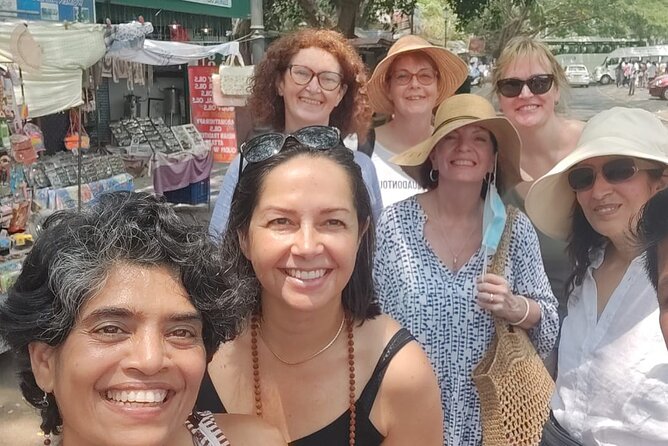
Yes, if you’re looking for a compact way to understand Fort Kochi quickly, with a guide who can explain what you’re seeing and help you plan what comes next. The value is strongest when you want a short orientation loop: Princess Street to the church and cemetery landmarks, a close-up coastal stop at the Chinese fishing nets, and a beach finish.
I’d skip it or add extra time if your idea of a great day is mostly beach lounging or long museum wandering. This walk is built for motion and context, not for staying parked in one place.
FAQ
How long is the Walking Tour of Fortkochi?
The tour lasts about 2 hours.
How much does the tour cost?
It costs $20.00 per person.
Is the tour walking only, and how far do we go?
It’s a walking tour with a heritage walk of about 1.5 km on foot.
What’s included in the price?
The tour includes bottled water and a local guide.
Where does the tour start?
It starts at Santa Cruz Cathedral Basilica on Bastian St, Fort Nagar, Fort Kochi, Kochi, Kerala 682001, India.
Does the tour run in bad weather?
Yes, it operates in all weather conditions. You should dress appropriately.