REVIEW · KOCHI
Learn Traditional Kerala Meal in Kumarakom
Book on Viator →Operated by GOVOYAGE HOSPITALITY · Bookable on Viator
Kumarakom smells like dinner before you even cook. This 4-hour Kerala meal experience takes you from a local market to a working kitchen, with hands-on cooking and a sit-down meal at the end. You’ll get a clear picture of how Kerala cooks think: freshness, spices/masalas, and technique—not guesswork.
I love the market-to-kitchen flow. It makes the cooking class feel practical, because you’re choosing ingredients first, not just following steps in a vacuum. I also like that the session supports different preferences, including vegetarian and non-vegetarian dishes, so your group isn’t forced into one narrow menu. One possible drawback: this experience depends on good weather, so plan for rescheduling if conditions are poor.
In This Review
- Key Things to Know Before You Go
- From Cheepunkal in Kumarakom to a Real Kerala Market
- What You Learn at the Market (And How It Helps You Cook)
- Back to the Kitchen: Cooking With Fresh Ingredients You Chose
- Vegetarian, Fish, and Meat: How Preferences Fit the Same Session
- The Food Moment: Eating What You Cook (With Tea and Conversation)
- The Price: What $89.89 Buys You in This 4-Hour Format
- Who This Experience Fits Best (And Who Might Want to Rethink)
- Practical Tips for Your Day in Kumarakom
- Should You Book This Traditional Kerala Meal Class?
- FAQ
- How long is the Kerala meal experience in Kumarakom?
- Where does the experience start, and does it end nearby?
- Is pickup included?
- Is it suitable for vegetarians and non-vegetarians?
- What is included at the end of the session?
- Is this a private tour?
- What happens if the weather is bad or you cancel?
Key Things to Know Before You Go
- Market visit first: you shop together for the freshest produce and learn what to look for
- Hands-on cooking: you cook with the ingredients you collected, not pre-prepped ones
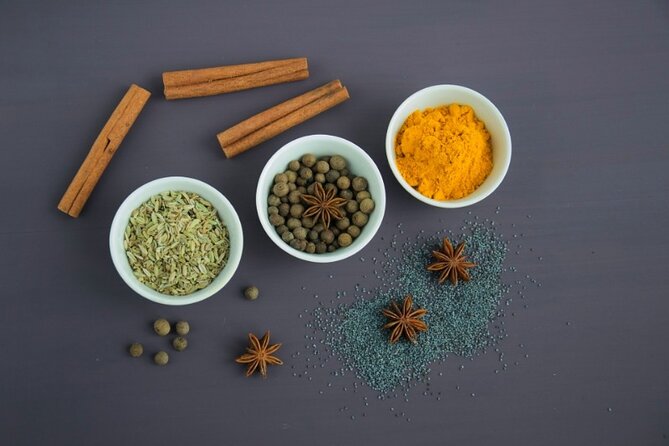
- Spice and masala basics: you get guidance on combining flavors and cooking technique
- Vegetarian options included: vegetarian participants are introduced to a variety of Kerala meals
- Sulaimani tea finish: you’ll wrap up with a cup of special tea and warm conversation
- Private group feel: only your group participates, which makes it easier to ask questions
From Cheepunkal in Kumarakom to a Real Kerala Market
Your day starts at Cheepunkal, Kavanattinkara, Kumarakom (the experience ends back at the meeting point). Even if you’re only in the Kochi area for a short stay, this is a good way to slow down and experience daily food culture in Kerala, close to where people actually buy and cook.
Pickup is offered, so you’re not stuck figuring out local transport right before a meal-focused activity. If you’re coming on your own, note that the meeting area is described as near public transportation. Either way, the goal is simple: get you to the market with enough time to understand ingredients before the stove goes on.
You can also read our reviews of more tours and experiences in Kochi.

What You Learn at the Market (And How It Helps You Cook)
The market stop is the backbone of the whole experience. You’ll walk through and focus on the kinds of ingredients used in Kerala meal preparation, plus how to spot freshness and make sensible choices. If you’ve ever tasted a great curry and wondered why it tastes so much better than what you can make at home, this is the part that gives you the “why.”
You’ll see a mix of items tied to both vegetarian and non-vegetarian cooking. The group chooses fresh vegetables, and non-vegetarian participants can select fish as part of the process. This matters because the kitchen steps later rely on ingredient quality—fresh fish and fresh vegetables change everything about flavor and cooking time.
What I like here is that the market learning isn’t presented as a lecture. It’s tied directly to the cooking session, so the advice stays useful when you’re back in your own kitchen.
Back to the Kitchen: Cooking With Fresh Ingredients You Chose
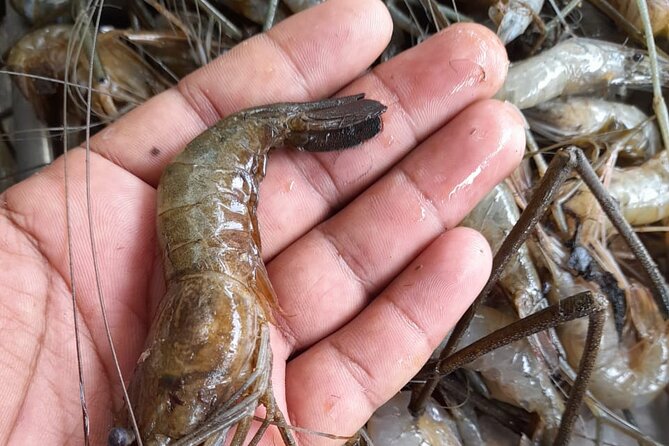
Once you return to the kitchen, the experience shifts into technique and hands-on cooking. You’ll learn different cooking techniques and the art of combining spices (masalas) in a way that makes sense for Kerala meals.
Because the ingredients come from the market, your cooking session feels grounded. You’re not just measuring and stirring; you’re using what you selected. That’s a big reason this works for real-life cooks later, not just as entertainment.
The teaching style is built for participation. The experience is designed for most travelers, and it’s private—meaning you can ask practical questions without feeling rushed. If you’re traveling with a food-obsessed friend, a parent who wants to learn, or even someone who gets distracted easily, this format tends to keep everyone involved because you’re doing the work.
Vegetarian, Fish, and Meat: How Preferences Fit the Same Session
This is not a one-size-fits-all menu. The experience is structured to include vegetarian participants and also make room for fish and meat dishes depending on individual preferences.
For vegetarians, you’ll be introduced to a variety of Kerala meals. That’s valuable because Kerala is often pictured as mostly one kind of dish, but the cooking here is broader than that. You’ll see how spice combinations and technique can shape very different outcomes.
For non-vegetarian preferences, the market-to-kitchen approach supports fish and meat dishes in a straightforward way. You’ll go from selecting what you need to cooking it with intention, rather than joining a class where the ingredient choices are hidden from you.
The Food Moment: Eating What You Cook (With Tea and Conversation)
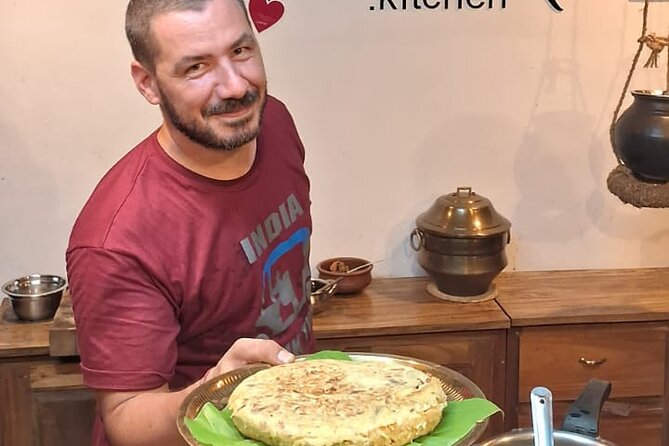
After cooking together, you share the food over warm conversation. This part is more than a finish line. It’s where you can ask follow-up questions like why certain spice combinations were used, how to adjust flavor balance, and what changes if you swap ingredient types.
A key detail: you’ll also have Sulaimani tea together at the end. It’s a nice cultural touch, and it helps make the whole experience feel like a shared meal rather than a workshop you leave as soon as the food hits the table.
If you like cooking classes where you actually taste what you made (and get a chance to talk through it), this is a strong match.



The Price: What $89.89 Buys You in This 4-Hour Format
At $89.89 per person for about 4 hours, this isn’t a cheap snack. But it’s also not priced like a high-end fine-dining event. Here’s what you’re really paying for:
- Market shopping plus learning (ingredient selection and freshness guidance)
- Hands-on cooking in a real kitchen
- A shared meal you cooked together
- Tea and conversation as part of the wrap-up
- Pickup offered (where available)
- Private tour format (only your group participates)
Also, it’s commonly booked about 10 days in advance on average. That suggests this fills up during the travel season. If you want a specific time window, booking earlier usually saves you headaches.
Who This Experience Fits Best (And Who Might Want to Rethink)
This works best if you want something more practical than watching someone else cook. You’ll learn ingredient selection and the logic behind spice/masala combinations, which is what you need to recreate flavors later.
It also fits families and mixed-experience groups because the session is structured to keep participants engaged in the process. The private group format helps too—questions can be answered without waiting for a big crowd.
Who might reconsider? If you’re looking for a purely passive cultural show, you’ll likely want something different. This is a working cooking experience, not just a demonstration.
Practical Tips for Your Day in Kumarakom
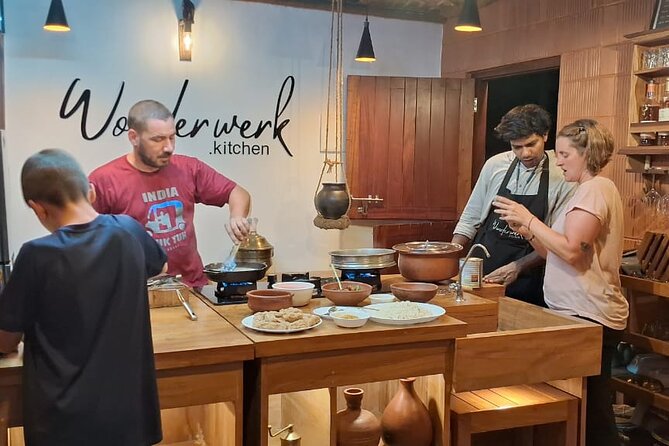
A few things can make this run smoother:
- Wear shoes you can walk in comfortably. Market time usually involves moving around.
- If you have dietary limits beyond vegetarian vs non-vegetarian, clarify preferences early when you book.
- Expect about 4 hours, so plan the rest of your day loosely around food and conversation time.
- Bring curiosity. The most useful learning here comes from asking why a technique or spice combination is used.
And one more reality check: the experience requires good weather. If conditions are poor, you’ll be offered a different date or a full refund. So if you’re on a tight schedule, choose your timing carefully.
Should You Book This Traditional Kerala Meal Class?
I’d book it if you want a real Kerala meal experience tied to fresh ingredient selection, and you like cooking alongside someone who explains the process clearly. The combination of market learning, hands-on cooking, and ending with Sulaimani tea makes it more than a “class.” It’s a meal culture lesson you can actually use.
I’d skip or postpone it if your schedule is inflexible or you’re traveling on a day where weather risk would make you stressed. Since it depends on good weather, it’s better when you have room to reschedule.
If you’re excited to cook and you want authentic flavor-building steps—this is a strong choice in the Kochi/Kumarakom area.
FAQ
How long is the Kerala meal experience in Kumarakom?
The cooking experience runs about 4 hours.
Where does the experience start, and does it end nearby?
It starts at Cheepunkal, Kavanattinkara, Kumarakom, Kerala 686563, India, and ends back at the meeting point.
Is pickup included?
Pickup is offered as part of this experience.
Is it suitable for vegetarians and non-vegetarians?
Yes. The session includes vegetarian options, and fish and meat dishes are prepared according to individual preferences.
What is included at the end of the session?
After cooking, you share your food with warm conversation, along with a cup of special tea called Sulaimani tea.
Is this a private tour?
Yes. It’s a private tour/activity, so only your group participates.
What happens if the weather is bad or you cancel?
The experience requires good weather. If it’s canceled due to poor weather, you’ll be offered a different date or a full refund. If you cancel or request an amendment, the amount paid is not refunded.