REVIEW · KOCHI
Fortkochi Heritage Walking tour with a local guide
Book on GetYourGuide →Operated by Biju's Tours · Bookable on GetYourGuide
Fort Kochi has a way of pulling you in fast, and this 3-hour heritage walk is built for exactly that. I like that it’s story-led by a local guide born in Old Kochi, and that you’ll connect Arabs, Chinese, Portuguese, Dutch, and British influences to what you actually see in the streets. One thing to plan for: this is mostly on your feet for about 3–3.5 hours (with short tuk-tuk hops), so heat and comfort matter.
You’ll start in Fort Kochi and work through Mattancherry and Jew Town, mixing big landmarks with smaller, working-life stops. I also like the practical variety: spice-warehouse flavor, traditional papadam and candle-making, plus Dhobi Khana laundry. The main drawback to keep in mind is schedule-based: Dutch Palace is closed on Fridays, and Paradesi Synagogue has limited hours on Fridays, Saturdays, and Jewish holidays, so your route may swap in alternatives.
In This Review
- Key highlights you’ll feel right away
- Where this tour starts in Fort Kochi (and why the meeting point matters)
- The pace: walking plus short tuk-tuk hops
- Fort Kochi streets: the colonial footprint you can actually see
- Mattancherry Palace and Dutch-era power
- The spice trade story: ginger warehouses and processing heritage
- Papadam and candle-making: food and light as culture
- Dhobi Khana laundry: everyday life in the open air
- Chinese fishing nets: a living postcard with real context
- Jew Town and Paradesi Synagogue: community stories with real boundaries
- The freedom fighters jail stop: a smaller monument to big history
- The best part: a guide who ties the whole route together
- Timing advice: avoid the late afternoon heat
- Dress, comfort, and what to pack for Kerala walking
- Price and value: $25 for a full 3-hour street education
- Who should book this Fortkochi Heritage Walk
- Should you book this tour?
Key highlights you’ll feel right away
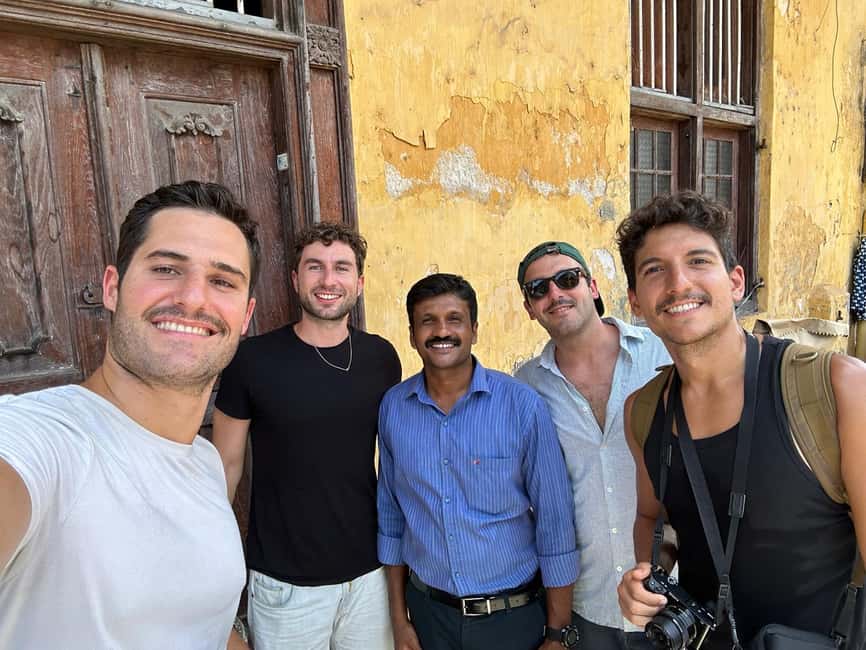
- Story first, places second: your guide connects street corners to Arab, Chinese, Portuguese, Dutch, and British influence
- Dutch Palace entry included: you don’t have to figure out tickets on your own
- Real working traditions: papadam-making, candle-making, and Dhobi Khana laundry stops
- Spice trade memory lanes: ginger warehouses and spice-processing heritage
- Jew Town with context: Paradesi Synagogue visit and community stories in and around Fort Kochi’s Jewish Quarter
Where this tour starts in Fort Kochi (and why the meeting point matters)

You meet your guide in front of Kashi Art Café, on Burger Street, Fort Nagar, Fort Kochi (Kerala 682001). Plan to arrive 10 minutes early—the guide will ask your name and connect you to the group.
That early buffer is more than admin. Fort Kochi runs on tight street geometry—lanes, alleys, and sudden turns—so starting on time helps you get oriented and keeps the pace comfortable for that 3-hour block.
Also, you’ll get guide details by WhatsApp or email before the tour, which is handy if you’re navigating from a hotel on your own. The tour runs in English, which makes the storytelling easy to follow even if your background on Kochi’s colonial trade history is blank.
You can also read our reviews of more walking tours in Kochi

The pace: walking plus short tuk-tuk hops
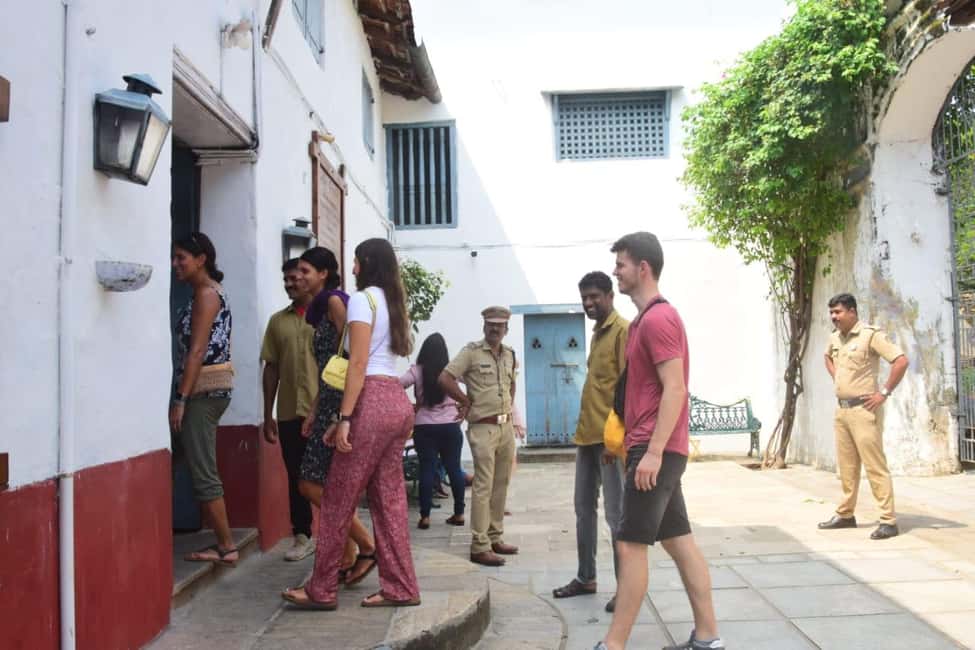
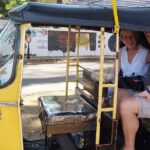
This is a walking tour with short tuk-tuk rides. You should be comfortable walking for up to 3–3.5 hours, spread across Fort Kochi, Mattancherry, and Jew Town.
Why that mix works: it prevents the whole day from turning into a stamina test, but it still keeps you on the ground where you can notice architecture, shopfronts, church facades, and neighborhood details. One of the best parts of this format is how it helps you see the city as layers—trade links, community life, and daily routines—rather than just a checklist of sights.
If you hate long walks in Kerala’s humidity, consider the timing (more on this below). And if you’re planning clothing, remember the tour has a simple rule: no short skirts and no sleeveless shirts. You’ll be in and out of places that expect respectful dress.
Fort Kochi streets: the colonial footprint you can actually see
Fort Kochi isn’t only photo stops. On this walk, your guide uses the street itself as a timeline—why a certain building style appears, why certain communities settled here, and how commerce shaped daily life.
You’ll spend time around colonial-era landmarks, including Portuguese-style church areas. The aim is to help you connect what looks European on the outside to the local Kochi story underneath—especially the city’s role as a stop in global trade routes.
A big theme you’ll hear is how foreign powers weren’t just passing through. Their influence shows up in architecture, food habits, and local customs. The guide story is designed to make those influences feel specific, not generic.
Also, keep your eyes open for details that typically get ignored when you walk alone: how streets bend, where communities clustered, and how the city’s layout reflects trade and living patterns.
Mattancherry Palace and Dutch-era power
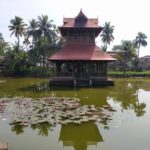
In Mattancherry, you’ll get entry to the Dutch Palace (Mattancherry Palace) as part of the tour. This is one of the most valuable inclusions in the whole experience because it turns a “look from outside” moment into a real interior context stop.
You’ll learn how the Dutch era fits into the broader colonial period in Kochi—how control over trade mattered, and how that control showed up in buildings and governance.
One practical note: Dutch Palace is closed on Fridays. If you book a Friday tour, you should expect alternate sights on that day. That’s not a failure; it’s how the guide keeps the route coherent even when a key location isn’t available.
The spice trade story: ginger warehouses and processing heritage
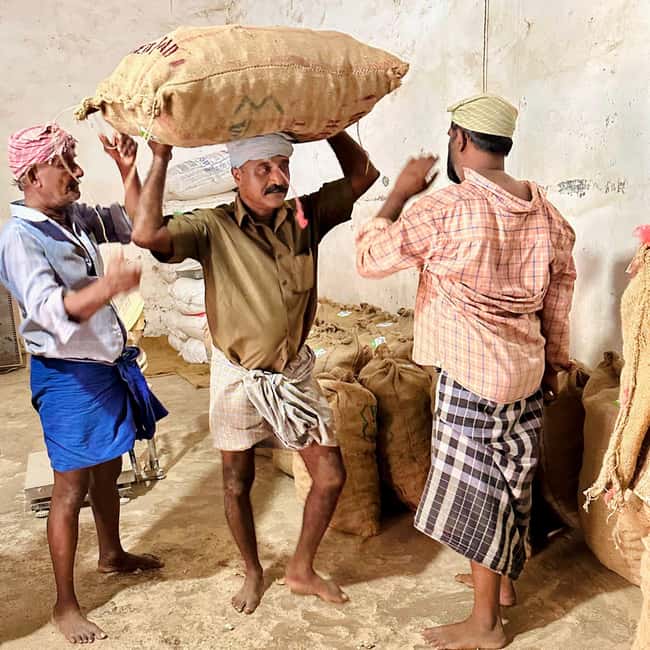
If you want one reason this tour feels different, it’s the spice trade focus. Kochi’s global reputation didn’t come from marketing—it came from systems: sourcing, processing, storage, and shipping.
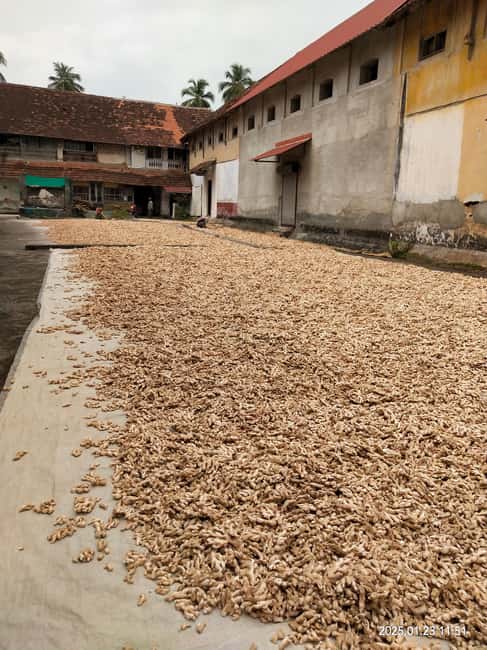
You’ll visit spice-related stops like ginger warehouses and areas connected to spice processing. The goal is to show you the mechanics behind the romance—how trade worked before modern logistics.
This section also links directly to the working-artisan stops that follow. You aren’t just hearing that spices mattered; you’re seeing the kinds of processes that supported that world. It’s the difference between hearing a legend and understanding the workflow.
If you’re a spice buyer, this also helps you shop with better instincts. You’ll have context for what you’re looking at, how goods were prepared, and why certain spice products exist in specific forms.
You can also read our reviews of more guided tours in Kochi



Papadam and candle-making: food and light as culture
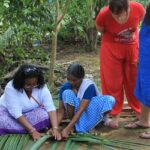
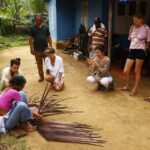
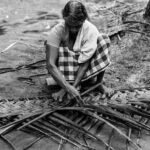
Two of the most memorable artisan stops are papadam-making and candle-making. These are small, practical traditions, not big museum exhibits. That’s why they land well on a walking itinerary.
Papadam matters because it connects food to everyday life. It’s not a fancy souvenir; it’s a tradition built for texture, storage, and routine meals. When you see it made in context, it becomes easier to understand why Kochi’s food culture developed the way it did across centuries of trade contact.
Candle-making adds a different angle—craft, local materials, and the idea that commerce and daily routines were always intertwined. Even if you’re not buying anything, the “how it’s made” angle gives you a clearer picture of local craftsmanship.
These stops also fit the tour’s larger goal: showing Kochi as living culture, not only historic facades.
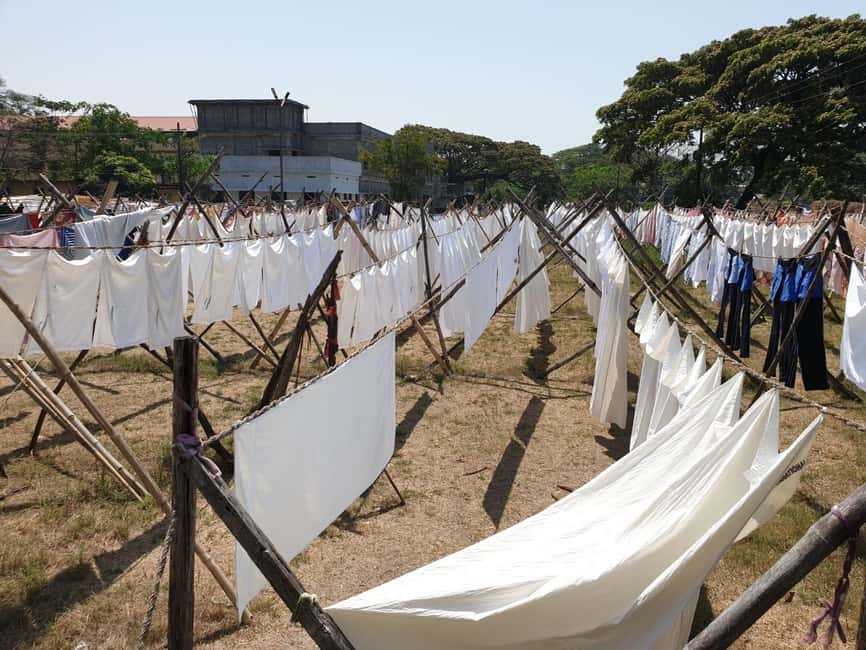
Dhobi Khana laundry: everyday life in the open air
One of your daily-life moments is a visit to Dhobi Khana laundry. This isn’t a staged performance. It’s part of how people used washing and labor systems in the past and how that visual rhythm persists in local memory.
Why I think this stop works: it gives you a real sense of scale and routine. You see how communities organized work, how spaces were used, and how practical needs shaped neighborhood life.
It also changes the mood of the tour. After spice talk and palace architecture, laundry becomes a grounding reminder that the city’s heritage isn’t only in big monuments—it’s in the routines that keep a place running.
Chinese fishing nets: a living postcard with real context
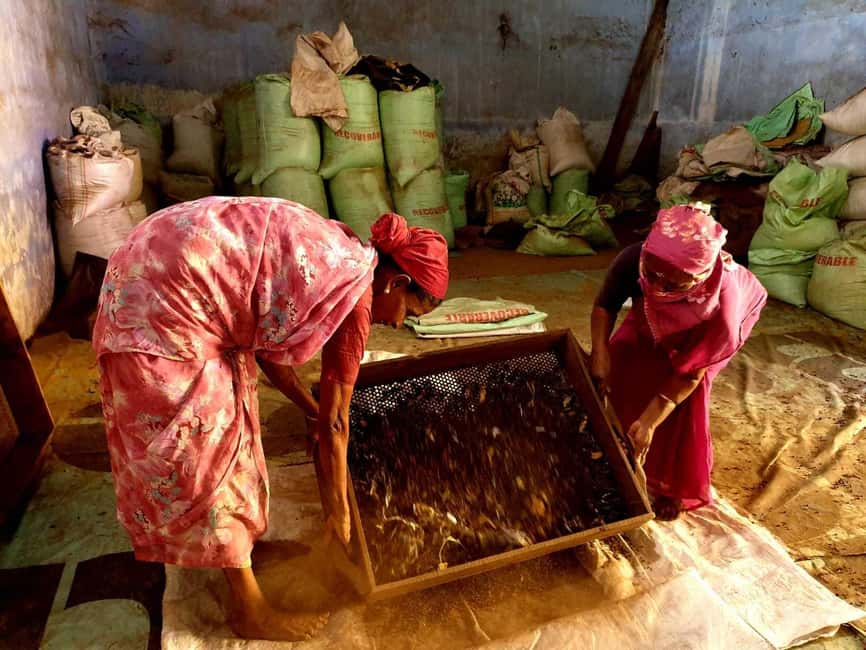
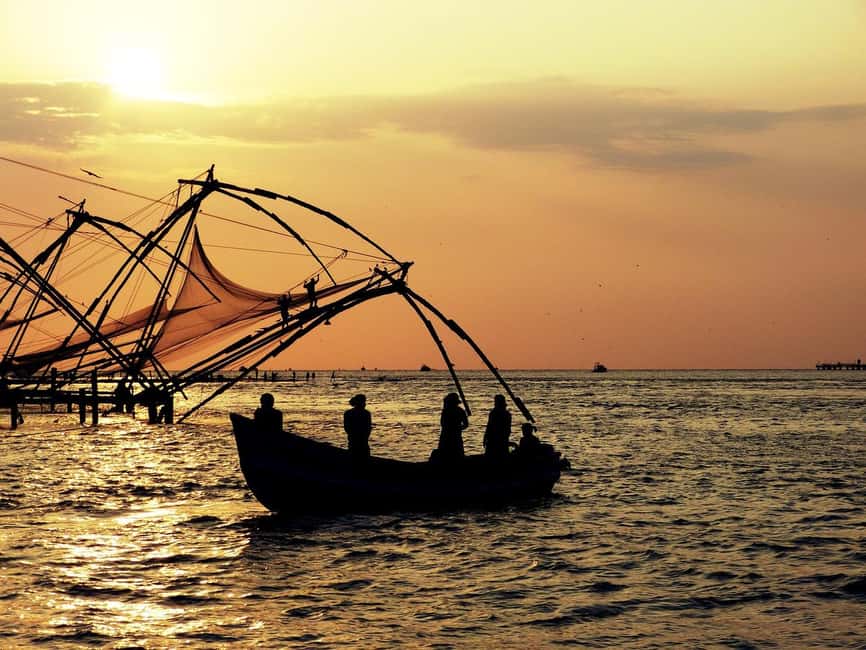
You’ll see the iconic Chinese fishing nets close enough to feel like part of the scene, not a distant viewpoint.
These nets are famous for a reason, but the tour adds context: how external influence became local practice. That’s the recurring theme again—how Arab, Chinese, Portuguese, Dutch, and British contact didn’t erase local life. It layered on top of it, creating something distinctly Kochi.
If your timing works out, you may get a view of nets in action. Even when conditions vary, the storytelling ties the sight to the city’s wider trade and cultural blending.
Jew Town and Paradesi Synagogue: community stories with real boundaries
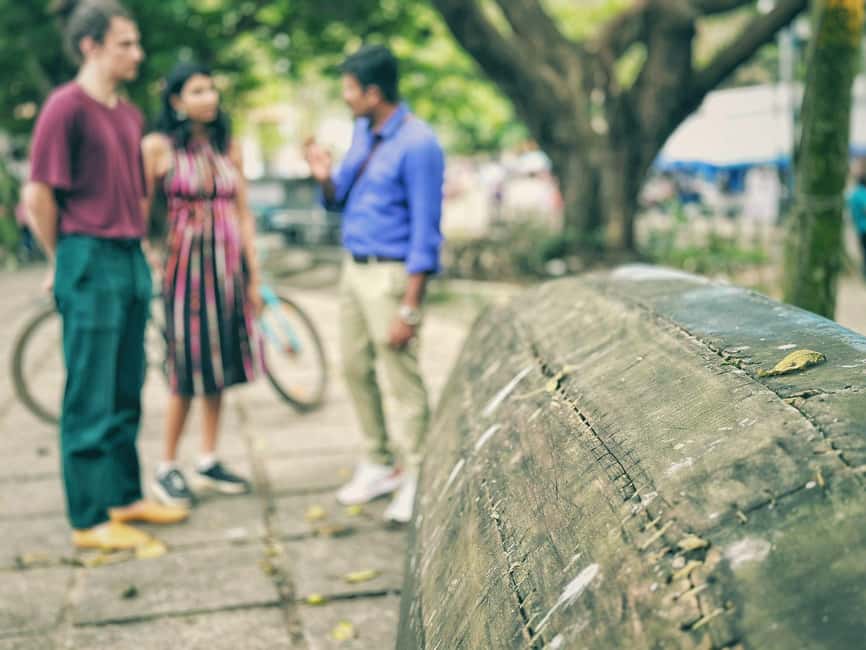
Jew Town is one of the most meaningful sections of the tour. You’ll explore the historic Jewish Quarter and visit Paradesi Synagogue.
You’ll also hear stories about community coexistence and ties with the royal family of Kochi, plus background on one of India’s oldest Jewish communities.
A key scheduling detail: Paradesi Synagogue is closed on Friday afternoon, Saturdays, and Jewish holidays. If your tour falls on one of those days, you’ll get alternate sights instead. That’s important to know so you’re not disappointed if you’re expecting that one specific interior visit.
The freedom fighters jail stop: a smaller monument to big history
You may also visit the freedom fighters’ jail, listed as a stop if it’s opened. It’s a useful contrast to the colonial-era buildings you’ll see elsewhere because it connects Kochi’s layered past to India’s independence struggle.
Since it’s conditional, treat it as an added bonus. On days when it’s not accessible, the guide will still keep the narrative flow moving.
The best part: a guide who ties the whole route together
Biju’s name comes up again and again in the feedback, and the reason is simple: the tour is structured around storytelling. People talk about his ability to connect places to lives—how local families lived, how colonies changed trade patterns, and how different communities shaped the area.
It also helps that he takes you to parts of town that feel harder to find on your own. That matters in Fort Kochi, where a short turn can take you into a different neighborhood mood completely.
One practical plus: the route includes a stop for refreshments in some cases, and there’s mention of a local lassi break. If you’re booking during warm months, those small resets can make the difference between enjoying the walk and feeling worn out.
Timing advice: avoid the late afternoon heat
A real-world note from the experience information: the 2pm–5pm window can be incredibly hot and humid in February. If you’re flexible, aim for a cooler time of day so you can focus on what you’re seeing—architecture, craft steps, and neighborhood stories—rather than sweating through your notes.
If you can’t change your booking time, plan carefully with your supplies: hat, sunglasses, umbrella, sunscreen, and insect repellent are all recommended for a reason.
Dress, comfort, and what to pack for Kerala walking
This is a walking tour, plus short tuk-tuk rides, so you’ll want gear that handles sun, sudden shade, and stop-and-start walking.
Bring:
- Comfortable shoes
- Sunglasses and a hat
- Umbrella
- Sunscreen and insect repellent
- A scarf (useful for sun, dust, or modesty)
Wear:
- No short skirts
- No sleeveless shirts
And if you have back issues, severe mobility limitations, heart conditions, or you’re pregnant, this one is not recommended. The tour is not designed around wheelchair access.
Price and value: $25 for a full 3-hour street education
At $25 per person for 3 hours, this tour prices like something you can do without wrecking your budget—but it’s also not a flimsy overview. The included sights are doing real work for the price:
- Guided storytelling walk across Fort Kochi, Mattancherry, and Jew Town
- Entry to Dutch Palace
- Stops tied to ginger warehouses, papadam-making, candle-making, and Dhobi Khana laundry
- A Paradesi Synagogue visit when open
- A freedom fighters’ jail stop if accessible
- Small-group or private-style personal attention
Also, the tour notes help with skipping ticket lines. Even when entry fees are modest, reducing hassle can make your time feel more respectful—less waiting, more listening.
The value question really comes down to what you want from Kochi. If you want street-level culture, trade history explained in human terms, and artisan stops you can’t replicate from a guidebook, this price makes sense.
If you’re only chasing a few major landmarks and prefer full-time vehicle sightseeing, you may feel the walking time more than the storytelling.
Who should book this Fortkochi Heritage Walk
This tour is a great fit if you:
- Like local stories tied to actual buildings and working places
- Want the city explained through trade history, not only monuments
- Enjoy craft and food culture stops like papadam and candle-making
- Prefer a smaller pace with human context over a big-bus lecture
It’s not the best choice if you:
- Need wheelchair access or have significant mobility limits
- Get uncomfortable in heat and humidity without flexibility
- Have medical constraints like severe back problems or heart conditions
- Want only indoor museum time
Should you book this tour?
Book it if you want a 3-hour, guide-led path through Fort Kochi’s layers—Portuguese and Dutch architectural echoes, the spice trade behind the scenes, and Jew Town community stories—plus everyday-life stops like Chinese fishing nets and Dhobi Khana laundry.
Skip or reconsider if walking comfort is a concern, or if you’re booking on Friday (Dutch Palace closure) or the synagogue-closed windows, because those key stops may shift to alternatives. In any case, the structure is built to keep the narrative moving, not to leave you with empty time.
If you show up on time, wear comfortable shoes, and bring sun protection, you’ll get far more than a scenic stroll—you’ll leave with Kochi’s history explained in the language of streets, crafts, and daily life.