REVIEW · KOCHI
Stories of Jew Town: Guided Heritage Walk in Kochi
Book on GetYourGuide →Operated by Lets Go Far · Bookable on GetYourGuide
Jew Town tells stories in every doorway. This 2.5-hour walk weaves together Christian, Jewish, and spice-trade chapters of Mattancherry, with stops that feel made for close looking—palace murals, antique lanes, and old places of worship in one compact circuit. You get a live guide (English or Hindi) and a small group size (up to 10), so it doesn’t feel like you’re rushing past history.
I love how the walk makes the big themes human: at Paradesi Synagogue, you see Belgian glass chandeliers and old ritual objects, not just a postcard view. And at the Cochin Spice Market, you’re taught why spices mattered in Kochi’s trade and everyday life, with aromatic stalls and vendor stories that put you right on the street level.
One consideration: the route is mostly on foot through uneven historic lanes and market areas, so heat and sun add up fast. It’s also not suitable for wheelchair users, and you’ll want to pack comfortable shoes plus water.
In This Review
- Key takeaways before you go
- A 2.5-hour route through Kochi’s Christian, Jewish, and trade past
- Start at T D High School in Mattancherry, then St. George Church
- Cochin Spice Market: where everyday scents explain big trade history
- Mattancherry Palace (Dutch Palace): Kerala-style design and mural storytelling
- The Jewish Cemetery: quiet proof of a once-thriving community
- Jew Town lanes: antiques, art, and the neighborhood vibe
- Paradesi Synagogue: Belgian glass, antique ritual objects, and museum context
- Price and value for a small group heritage walk in Mattancherry
- What to bring for sun, walking, and market stops
- Who this tour suits best—and who might be happier elsewhere
- Should you book Stories of Jew Town in Kochi?
- FAQ
- How long is the Stories of Jew Town guided heritage walk?
- Where do we meet for the tour?
- What language is the guide?
- What is included in the tour?
- Is the tour wheelchair accessible?
- Can I cancel and get a refund?
Key takeaways before you go
- Paradesi Synagogue details you can actually spot: Belgian glass chandeliers, antique scrolls/ritual objects, and a small museum-style stop
- Mattancherry Palace murals in context: Kerala-style architecture with paintings tied to Hindu mythology and royal life
- Spice Market explanation that makes sense: learn why spices shaped Kochi’s trade routes and port-town identity
- Jew Town lanes for antiques, art galleries, and chat: a neighborhood feel rather than a single monument visit
- A visit to the Jewish Cemetery: quiet evidence of a once-thriving community and its place in Kochi
A 2.5-hour route through Kochi’s Christian, Jewish, and trade past
This is the kind of tour that helps you connect dots. Start with early Syrian Christian traditions, then shift into the spice economy that made Kochi a trading crossroads, and finally walk into Jew Town where Jewish life left architecture, inscriptions, and institutions behind.
The pacing works well: 2.5 hours is long enough to slow down at major sites, yet short enough that you’ll still feel fresh when you’re walking the lanes toward the synagogue. With a small group (10 max) and a guide speaking English and Hindi, you can ask practical questions about customs and what you’re seeing.
Price is $12 per person, which is a solid deal in this part of India if you like walking tours with clear structure and multiple stops. You’re not paying for one single attraction—you’re paying for a guided thread through several locations that normally don’t feel connected unless someone explains the links.
You can also read our reviews of more walking tours in Kochi

Start at T D High School in Mattancherry, then St. George Church
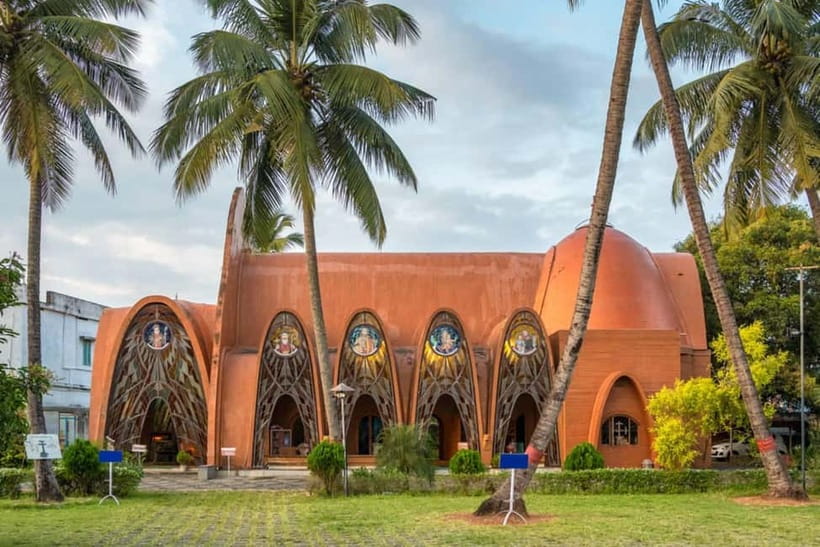
The tour begins at the meeting point in front of T D High School, Mattancherry. Arrive on time so you don’t lose your place and your group doesn’t start stretching its legs without you.
From there, you head to St. George Orthodox Koonan Kurish Old Syrian Church—one of the anchor stops because it sets the tone for Kerala’s deep Christian roots. This church isn’t treated like a quick photo stop. You’re guided through what makes it architecturally notable and what it represents about local Christian traditions that have been part of the region for centuries.
Practical tip: this is a good moment to get your bearings. By the time you leave the church, you’ll start noticing how religious architecture in Kerala often blends local building logic with older traditions—so later, the palace and synagogue details feel less random.
Cochin Spice Market: where everyday scents explain big trade history
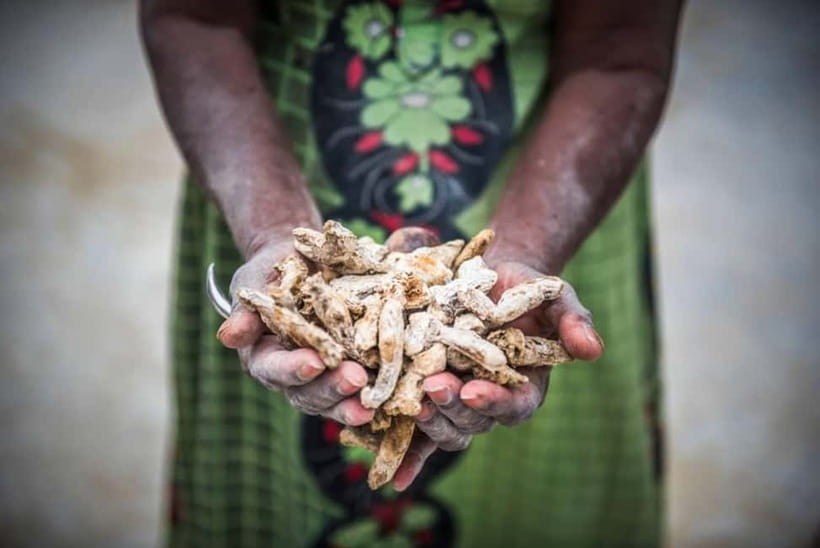
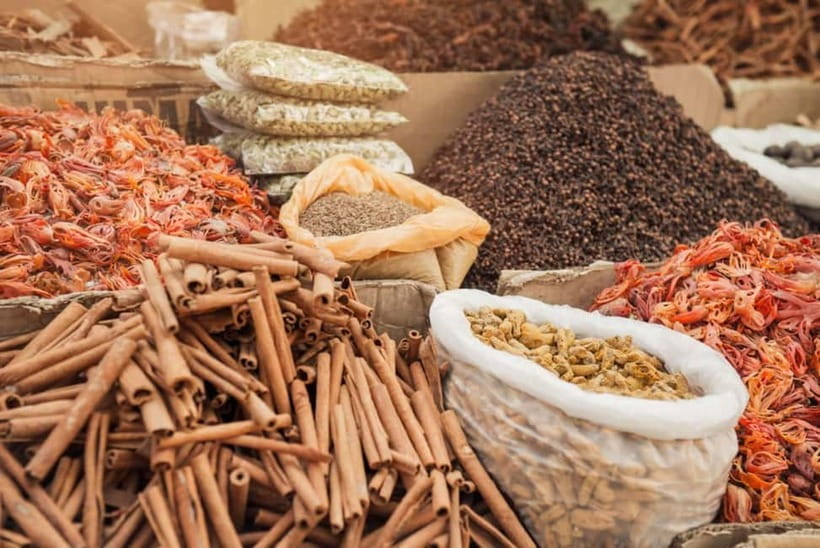
Next comes the Cochin Spice Market, and it’s the stop that turns history into smell. You’ll pass stalls with colorful produce and aromatic spices, and you’ll hear why spices were central to Kochi’s trade heritage—why merchants cared, why routes mattered, and why the city became a natural meeting point for different cultures.
This is also where guides earn their keep. In the feedback I saw, guides like Dominic and Sajeev were praised for connecting the market to the wider neighborhood story rather than just naming spices. You get that street-level perspective: how merchants talk, how vendors display goods, and how trade shaped the shape of the port city.
If you’re worried about the market being only a shopping stop, don’t be. The goal here is explanation and atmosphere, plus a sensory introduction that makes the later palace and Jew Town stops feel connected to commerce and movement.
Mattancherry Palace (Dutch Palace): Kerala-style design and mural storytelling
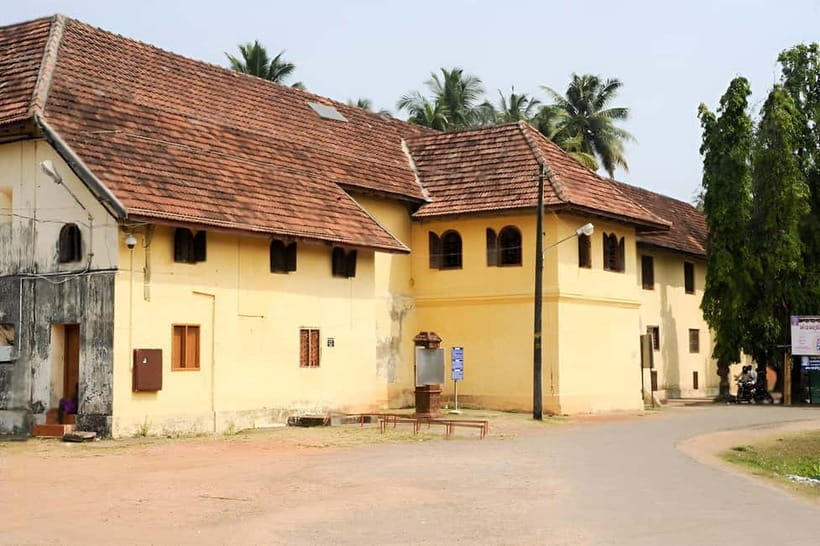
Then you reach Mattancherry Palace, also called the Dutch Palace. The big draw is the mix of architectural style and the interior murals—paintings that depict Hindu mythology and royal life.
What makes this stop valuable on foot is that you’re not just seeing a grand room. You’re learning how palace art works as a kind of public storytelling. In Kochi, symbols travel across time and power shifts, and these murals are a visible record of that layering.
Guides on this route often slow down here because it’s easy to rush through paintings. With a small group, you can ask specific questions—like what you’re looking at and why it might resemble other Kerala artistic traditions. If you like art, this is one of your best stops on the entire walk.
The Jewish Cemetery: quiet proof of a once-thriving community
After the palace, the tour shifts into a more reflective mode at the Jewish Cemetery. This visit matters because it gives you physical context for the community that once lived in this neighborhood.
You’re shown the cemetery as evidence of Kochi’s multicultural past, and you learn about the legacy and contributions of the Jewish community to the city’s cultural fabric. It’s not a loud stop. Instead, it’s the kind of place where your guide’s narrative helps you understand why the neighborhood’s current look feels the way it does—how communities change, disperse, or shrink over time.
A practical note: cemetery visits can be weather-dependent and require a bit of patience with slow walking. Bring water and keep your hat on if the sun is strong.
You can also read our reviews of more guided tours in Kochi



Jew Town lanes: antiques, art, and the neighborhood vibe
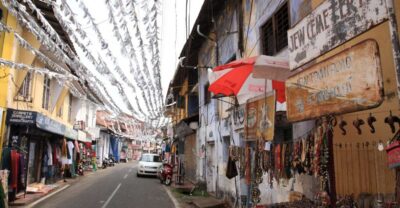
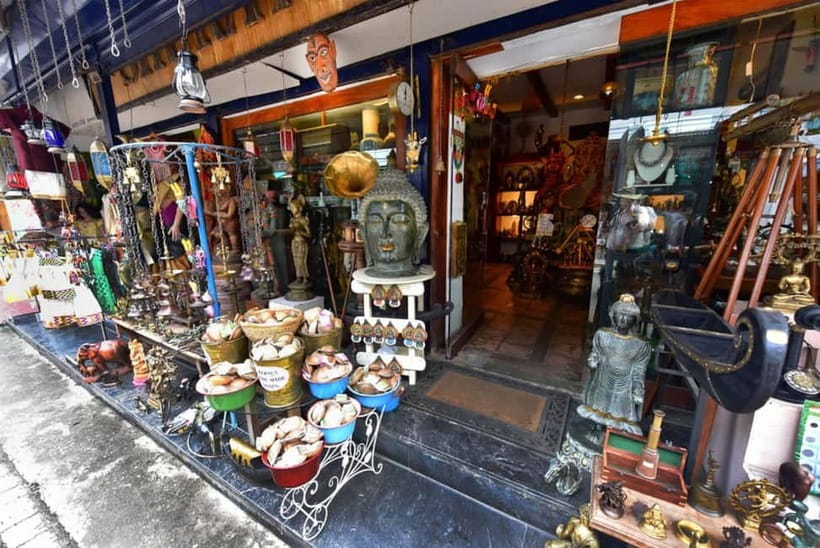
This is where the tour becomes more personal. You stroll through the charming lanes of Jew Town, where antique shops, art galleries, and small cafes create a lived-in feel.
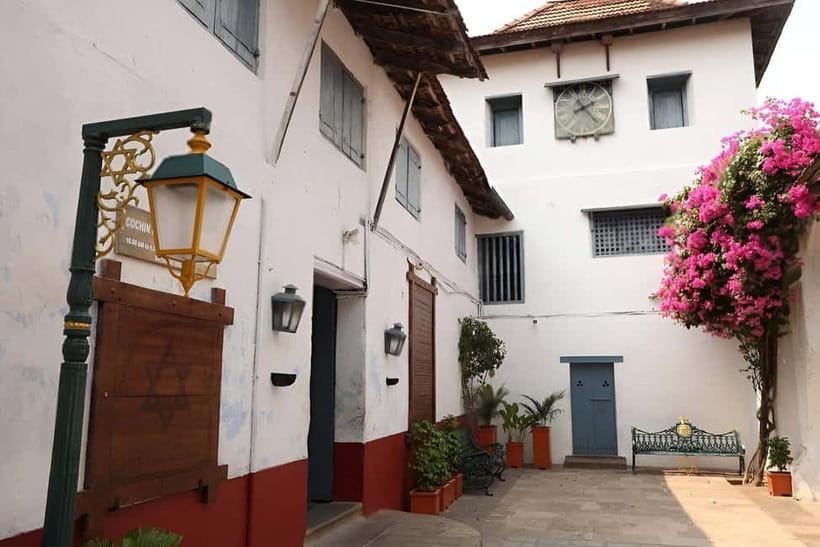
The “why” here is as important as the “where.” Jew Town isn’t just a single sight. It’s a pattern of old homes, storefronts, and street history still visible in details—like the Magen David symbols and inscriptions that you may spot on remaining houses. Even when lots of buildings are gone or altered, traces remain.
I also liked that this part of the walk can include moments outside the main monuments. People reported stopping for chai at a local spot, and some tours included time meeting or speaking with local artists. That makes sense for this neighborhood: if your guide has good local connections, you get a better sense of how people interpret Jewish-Kerala heritage today, not only how it looked centuries ago.
Good to know: the lanes can be uneven and tight. You’ll want comfortable shoes, and it helps if you’re not expecting a perfectly level path.
Paradesi Synagogue: Belgian glass, antique ritual objects, and museum context
The final stop is Paradesi Synagogue, one of the oldest active synagogues in India. It’s also visually memorable: Belgian glass chandeliers, ancient scrolls, and a museum-style presentation with antique ritual objects. It’s the kind of place where your guide can turn objects into meaning—how they’re used, what they represent, and why they matter in the story of Kochi.
This stop is especially strong if you want a basic understanding of Judaism within a historical Kochi setting. Some guests mentioned that the museum section is helpful as a Judaism 101 introduction. Even if you know the basics already, it gives you a framework so the synagogue interior feels more intentional and less like a collection of sacred items behind glass.
One more detail worth planning for: the older graveyard view can be limited. Some people noted you can usually see from above a fence rather than getting full access. That’s not a guide problem—it’s just how the space is managed—but it can affect what you expect to see at the very end.
Price and value for a small group heritage walk in Mattancherry
At $12 per person for about 2.5 hours, this tour offers good value because you’re paying for four different kinds of experiences:
- Worship architecture (St. George Church)
- Street-level trade context (spice market)
- Art and power symbolism (Mattancherry Palace murals)
- Jewish community heritage (Jewish Cemetery, Jew Town lanes, Paradesi Synagogue)
A lot of tours in India feel either too broad or too narrow. This one is broad in theme but focused in route. And with a small group capped at 10, you’re less likely to feel like a number.
You’ll also benefit from guide variety. People mentioned names like Dominic, Sajeev, and Satish, with consistent praise for guides who keep the group comfortable and attentive to questions. That matters on a walking tour—especially when you’re moving between indoor sites and outdoor lanes.
What to bring for sun, walking, and market stops
This tour is practical, which means your packing list actually affects the quality of your experience.
Bring:
- Comfortable shoes (you’ll be on foot for the whole circuit)
- Sunglasses and a sun hat
- Sunscreen
- Water
- Cash
Also, the tour asks you to avoid intoxication and alcohol and drugs. It sounds obvious, but it matters for maintaining a respectful atmosphere at religious sites and quieter heritage areas.
A quick pacing tip: plan to drink water at least once during the walk, not just at the end. In Kochi, sun can creep up on you even if the mornings feel mild.
Who this tour suits best—and who might be happier elsewhere
This walk is ideal if you:
- like walking tours that connect multiple sites with one story
- enjoy religious architecture and art details
- want to see Jew Town without guessing your way through it
- prefer small-group guidance (up to 10 people)
It may be less ideal if:
- you need wheelchair accessibility (it’s not suitable for wheelchair users)
- you’re uncomfortable with uneven historic lanes or market crowds
- you’re expecting a mostly museum-like visit with minimal walking
If your goal is a quick monument hit only, you might feel the pace is too “go, stop, listen, then move.” But if you like context, you’ll probably enjoy how the tour slows down at key moments.
Should you book Stories of Jew Town in Kochi?
I’d book it if you want a guided walk that makes Kochi feel layered: Christian traditions, the spice port economy, and Jewish heritage all share the same street neighborhood space. The tour’s strength is how it links those themes—so you don’t just collect photos, you understand what the neighborhood is telling you.
Book it especially if you like two things: Paradesi Synagogue’s interior details and the street-level explanation at the spice market. Those are the spots that turn this from a simple sightseeing loop into a coherent cultural story.
If you’re sensitive to walking in heat or mobility limits are an issue, skip it and choose a more accessible, vehicle-based option in Kochi.
FAQ
How long is the Stories of Jew Town guided heritage walk?
The tour lasts about 2.5 hours.
Where do we meet for the tour?
You meet in front of T D High School, Mattancherry.
What language is the guide?
The live tour guide speaks English and Hindi.
What is included in the tour?
It includes visits to Paradesi Synagogue, Jew Town, and the Jewish Cemetery, with cultural immersion and opportunities for photography.
Is the tour wheelchair accessible?
No. It is not suitable for wheelchair users.
Can I cancel and get a refund?
Yes. There is free cancellation up to 24 hours in advance for a full refund.