REVIEW · KOCHI
Mattancherry Heritage Tour by The Kochi Heritage Project
Book on Viator →Operated by The Kochi Heritage Project · Bookable on Viator
Mattancherry tells its story on foot. This Heritage Tour by The Kochi Heritage Project is a focused walk through a small area where dozens of communities shaped old Kochi life, trade, and faith. You’ll connect the dots between neighborhoods you might otherwise rush past—street by street, stop by stop.
Two things I really like: first, the guide-led narration by Johann-style storytelling that makes the place feel like a living narrative instead of a list of sights. Second, the break for traditional community food at a local cafe with coffee and/or tea tasting built into the walk. The one thing to weigh is that it’s a walking experience in an old town layout, so the right footwear and weather matter.
In This Review
- Quick hits: why this walk is worth your time
- Mattancherry’s main idea: unity in diversity on a short walk
- Meet your local storyteller, and what happens during the walk
- Stop-by-stop: royal origins, temple refuge, North Indian links, and Jew Town
- Ariyittu Vazhcha Kovilakom (around 15 minutes): royal family origins
- Cochin Thirumala Devaswom Temple (around 30 minutes): a community that escaped persecution
- Cherlai (around 30 minutes): more Mattancherry community stories
- Gujarati Road (around 30 minutes): the largest North Indian community
- Jew Town (around 20 minutes): one of Kochi’s best-known communities
- Ending near the Mattancherry Palace: the royal frame closes
- The tea/coffee tasting: why it fits the history
- Timing, meeting point, and how to make the route easy
- Price and value: what $28.37 buys you in real terms
- What to bring (and what the tour doesn’t provide)
- Who this heritage tour is best for
- Should you book the Mattancherry Heritage Tour?
- FAQ
- How long is the Mattancherry Heritage Tour?
- How much does the tour cost?
- Where do I start and where does the tour end?
- What does the tour include?
- Are admission tickets included for the stops?
- Is the tour only for people who can do a lot of walking?
- What should I bring since the tour doesn’t provide certain items?
- What happens if the weather is poor?
Quick hits: why this walk is worth your time
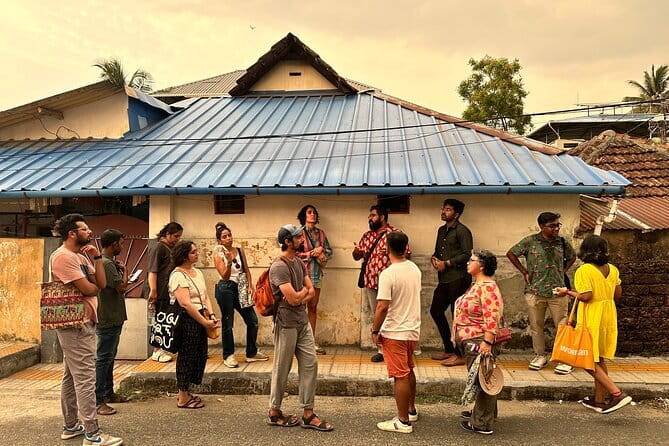
- A small max group size (8 travelers) keeps the pace human and the conversation easy
- Free admission stops at each named site (temple and heritage points along the route)
- Community-food tasting at a locally owned cafe ties culture to what people actually ate
- Mobility-friendly structure for most people, with a route that sticks to the planned sights
- Mattancherry’s 3 km “unity in diversity” idea turns the neighborhood itself into the lesson
Mattancherry’s main idea: unity in diversity on a short walk
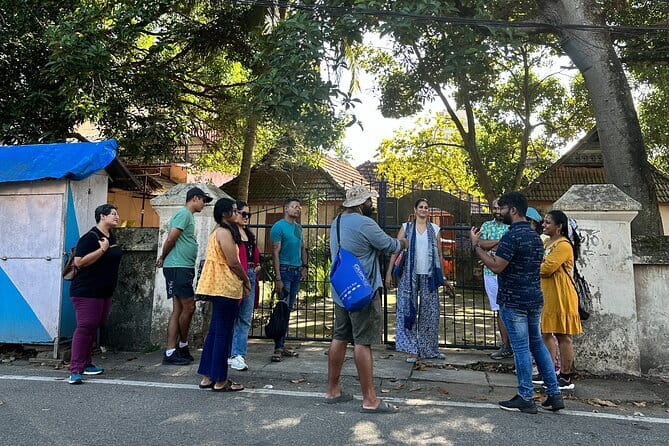
Mattancherry is one of those places where the map makes the story look simple, even if the human history underneath is anything but. The neighborhood centers on a compact radius—about 3 kilometers—where more than three dozen communities found room to live, trade, worship, and build culture side by side. That’s the big theme your guide keeps returning to: not one single Kochi, but many Kochis layered together.
I like this approach because it changes what you notice. Instead of hunting for big-ticket monuments, you start reading everyday details: where certain groups settled, how religious life took shape, and how trade and protection helped communities survive. The tour also frames Mattancherry’s role in the Cochin Kingdom—until the capital shifted to Ernakulam—so you get the sense that this was a working hub, not just a picturesque old quarter.
If you’ve only got a short window in Kochi, this is a smart way to spend it. In two to three hours, you can cover the heart of the neighborhood’s community history without feeling like you’re cramming.
You can also read our reviews of more historical tours in Kochi
Meet your local storyteller, and what happens during the walk
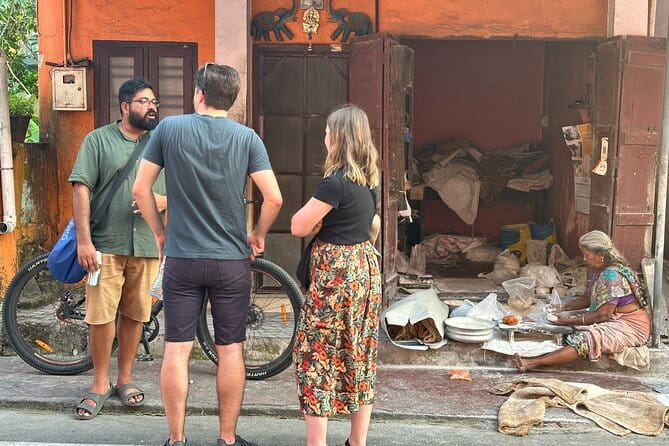
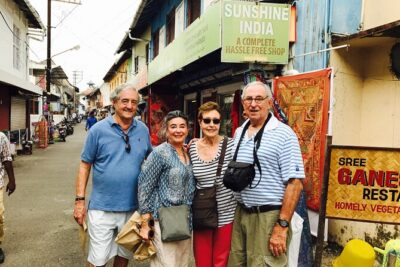
You meet at Nehru Memorial Town Hall in Mattancherry (by the bus stop on Town Hall Rd). The finish is at the eastern gate of Mattancherry Palace, so you end right where the story naturally circles back to royal power and local administration.
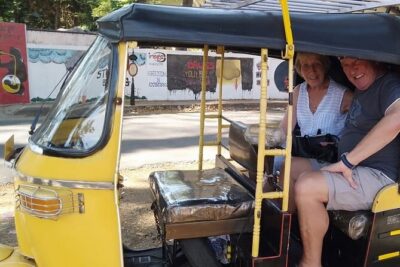
The tour runs with a local storyteller, and the guide name you’ll see in past experiences is Johann. In other walks, Johann has shown up as someone who goes the extra mile with logistics, like coordinating with a tuk-tuk driver for the end meet-up. That kind of practical care matters in India, where “nearby” can still be a lot of distance.
A few operational notes that affect your comfort:
- You’ll get a mobile ticket, so you don’t have to worry about printed paperwork.
- The group max is 8 travelers, which usually means you won’t get lost in a big crowd.
- The tour typically lasts 2 to 3 hours, and the pace is paced by short stops—so plan to stay with the group rather than wander.
Also, you won’t be running around to random detours. The whole experience sticks to the named heritage and community stops, and you don’t enter additional monuments outside what’s included.
Stop-by-stop: royal origins, temple refuge, North Indian links, and Jew Town
This walk is built like a story in chapters. Each stop is short, and each one adds a new community angle to the bigger Mattancherry picture.
Ariyittu Vazhcha Kovilakom (around 15 minutes): royal family origins
The first stop, Ariyittu Vazhcha Kovilakom, is the opener. This is where the walk sets context for the Cochin royal family—where they came from and how the royal story connects to Mattancherry’s rise. It’s a useful start because it gives you a framework for later stops: when you hear about communities settling here, you can imagine the kind of support, protection, and politics that made that living arrangement possible.
Why it works: you get the “who mattered locally” story early, so later names and neighborhoods land better.
Cochin Thirumala Devaswom Temple (around 30 minutes): a community that escaped persecution
Next comes Cochin Thirumala Devaswom Temple. The stop centers on a community that escaped persecution and then made Cochin their home. This is where the walk shifts from royal origin to survival and refuge—how faith and safety travel together when people are displaced.
Why it matters: this isn’t generic temple sightseeing. The narration connects temple life to migration history and community continuity. You’ll likely walk away with a clearer understanding of how protected communities became part of Kochi’s identity.
Practical note: temple stops usually involve respectful behavior and attention to where you stand and look, so keep your phone use quiet and minimal.




Cherlai (around 30 minutes): more Mattancherry community stories
Cherlai is the “middle chapter” stop, giving you more of the neighborhood’s community stories. The time here is longer than some quick photo stops, so you’re not just passing through—you’re learning what the place meant to people who lived and worked there.
What you’ll get out of this: the tour keeps reminding you that Mattancherry isn’t defined by one community. It’s defined by how multiple groups shared space and built their lives nearby.
Gujarati Road (around 30 minutes): the largest North Indian community
Then you hit Gujarati Road, focused on the largest North Indian community that made Kochi their home. This is a great stop for anyone who thinks of “Kochi” as one cultural lane. Here you see how north-south connections showed up in daily life—especially in port cities where movement and trade bring people together.
I like this stop because it’s specific. Rather than saying, “there were many traders,” the walk points you to a particular community presence on a particular street.
Jew Town (around 20 minutes): one of Kochi’s best-known communities
The next named stop is Jew Town, with stories tied to Kochi’s most famous Jewish community. This is shorter than some of the other segments, but it’s packed as a “signature” stop—so you get the big identity piece without turning the walk into an all-day history marathon.
How I’d approach this moment: treat it as a prompt for what you want to follow up on later. If you’re the type to ask questions, this is a good place to do it, because your guide’s narrative usually explains what makes this community’s Kochi chapter distinct.
Ending near the Mattancherry Palace: the royal frame closes
The tour finishes at the eastern gate of Mattancherry Palace. That ending matters because it loops the neighborhood story back to power and governance. After you hear how communities survived, worshipped, and settled, standing near the palace helps you connect “lived reality” to “rule and administration.”
It’s a nice close for the walk’s main theme: Mattancherry as a small-radius world where many communities could coexist, in part because local structures allowed it.
The tea/coffee tasting: why it fits the history
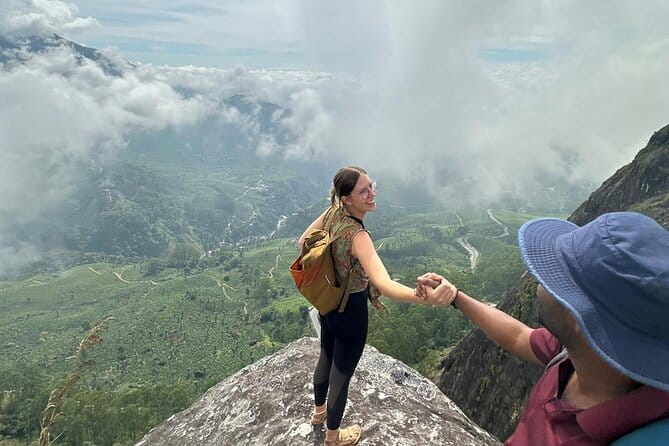
One reason this tour feels satisfying is the way the food stop supports the story. You get coffee and/or tea tasting of traditional community food at a locally owned cafe. It’s not just a random break; it’s positioned as part of the community identity.
In a place like Mattancherry, food is often the most accessible form of cultural memory. When a community has been in an area for generations, recipes and flavors tend to stick—especially in everyday settings like cafes and neighborhood eateries.
Also, for early departures, you might find that the welcome drink setup is part of the experience rhythm. In past experiences with Johann-led walking tours, early starts have included welcome tea and lassi, which makes sense if the walk starts before peak heat.
Timing, meeting point, and how to make the route easy
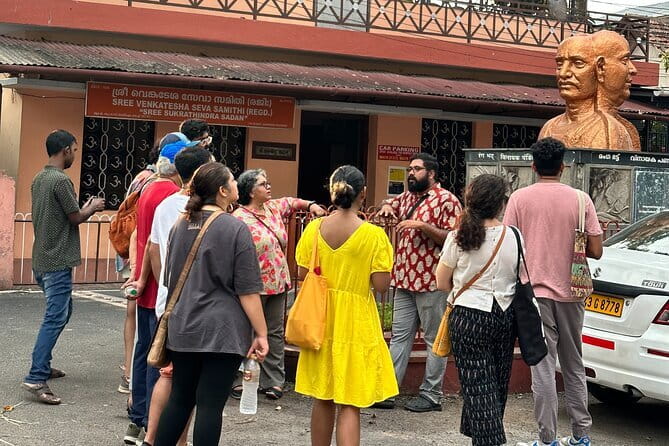
The walk is designed to run about 2 to 3 hours, so it fits well between bigger Kochi plans—like morning sightseeing or an afternoon food session.
Start location: Nehru Memorial Town Hall, Mattancherry bus stop, Town Hall Rd, Koovapadam, Kappalandimukku, Mattancherry, Kochi, Kerala 682002.
End location: the eastern gate of Mattancherry Palace (the tour ends there).
Why this matters: having a specific start and finish reduces the stress of finding the right street in old neighborhoods. If you’re meeting a tuk-tuk, it helps to share your end point clearly, because the palace gate is a strong landmark.
Weather matters too. The experience requires good weather, so if rain rolls in, you may be offered another date or a refund. In practice, you’ll be walking outside, so think like a local: plan for shade, heat, and sudden changes.
Price and value: what $28.37 buys you in real terms

At $28.37 per person, this isn’t “just pay for a walk.” You’re paying for three concrete things:
- A guided narration by a local storyteller (the heart of the tour)
- A traditional community food tasting with coffee and/or tea
- Access to multiple named stops along the planned route, where admissions for those stops are free
Also, the small max group size (8 travelers) is part of the value. A less crowded group usually means better pacing and more chances to ask questions without feeling rushed.
If you’re the type who likes to learn names, reasons, and connections—rather than just collect photos—this price starts to feel very reasonable.
What to bring (and what the tour doesn’t provide)
The tour says it does not provide umbrellas, raincoats, hats/caps, face-masks, or sanitizers. So I’d pack smart for humid heat and sudden showers.
My practical checklist:
- Comfortable walking shoes (old lanes can be uneven)
- Sun protection (hat/cap if you run hot)
- A light layer if evenings feel cool
- Small cash or your preferred payment method for the cafe if you want anything extra beyond the tasting
You’ll also want water. The tour includes tea/coffee tasting, but it doesn’t say it supplies water.
Service animals are allowed, and the tour is near public transportation—so you’re not locked into private transport.
Who this heritage tour is best for
This is a strong choice if you:
- Want a neighborhood-focused history instead of a museum day
- Like cultural stories tied to real places and real communities
- Enjoy food as part of the cultural record
- Prefer small groups over big bus tours
It also fits well for first-timers in Kochi who want a grounded orientation. If you’ve been traveling for a while and you’re history-saturated, the short stop lengths keep it from dragging.
Should you book the Mattancherry Heritage Tour?
Yes—if you want a walk that explains why Mattancherry looks the way it does and why its communities shaped Kochi’s identity. This is the kind of tour that rewards your curiosity: short stops, clear themes, and a food break that lands as part of the story.
I’d skip it only if you’re chasing major-ticket monuments and long indoor sightseeing. This is about streets, people, and neighborhood memory. Bring comfortable shoes and good humor, and you’ll get a lot out of your 2 to 3 hours.
FAQ
How long is the Mattancherry Heritage Tour?
It runs about 2 to 3 hours.
How much does the tour cost?
The price is $28.37 per person.
Where do I start and where does the tour end?
You start at Nehru Memorial Town Hall in Mattancherry and end at the eastern gate of Mattancherry Palace.
What does the tour include?
It includes a local storyteller, coffee and/or tea tasting of traditional community food at a locally owned cafe, and time to experience the old town lifestyle and atmosphere.
Are admission tickets included for the stops?
The named stops on the route list free admission tickets.
Is the tour only for people who can do a lot of walking?
Most travelers can participate, and the format is a walk with short timed stops, but you should still expect to walk through old town streets.
What should I bring since the tour doesn’t provide certain items?
Bring your own umbrella/rain protection if needed, plus sun protection like a hat/cap if you want one. The tour also doesn’t provide face-masks or sanitizers.
What happens if the weather is poor?
The experience requires good weather. If it’s canceled due to poor weather, you’ll be offered a different date or a full refund.