REVIEW · KOCHI
Fort Cochin Heritage Tour by The Kochi Heritage Project
Book on Viator →Operated by The Kochi Heritage Project · Bookable on Viator
History starts at the edge of the sea. This Fort Cochin Heritage Tour turns the colonial streets into a living timeline of Cochin, moving from ancient trade claims to European fort-town leftovers. I especially like how it keeps your focus on what you can see—architecture, street corners, and culture—while the local storyteller connects it all into one clear story.
A second big plus for me is the way the walk covers multiple European influences in one smooth route: Portuguese, Dutch, and British threads show up in the details. You’ll also get a break with coffee and/or tea plus snacks at a Dutch-themed stop, which makes the 2–3 hours feel doable rather than rushed.
One thing to consider: this experience depends on good weather, and the organizer notes they don’t provide umbrellas or rain gear. If rain is likely, wear something quick-drying and plan for wet sidewalks.
In This Review
- Key highlights worth planning for
- Why Fort Kochi’s European quarter makes sense fast
- Getting started: Folklore Cultural Theatre to the Chinese Fishing Nets
- Vasco da Gama Square: Portugal’s pepper quest and a local twist
- From Santa Cruz to Portuguese Kerala: architecture, cuisine, and the hard parts
- David Hall Gallery & Cafe: Dutch design and Ayurveda’s surviving thread
- Parade Ground: tea, cricket, and art festivals in one pocket
- Fort Kochi Beach and the British fight for supremacy
- Princess Street finish: colonial charm meeting modern Kochi
- Coffee and snacks: why that Dutch-themed break matters
- Price and value: is $27.96 a good deal?
- Who should book this tour (and who might not)
- Quick planning tips that make the tour smoother
- Should you book this Fort Cochin Heritage Tour?
- FAQ
- How long is the Fort Cochin Heritage Tour?
- What is the price per person?
- Where does the tour start and end?
- Is entry into heritage monuments included?
- What’s included in the tour?
- What happens if the weather is poor?
Key highlights worth planning for
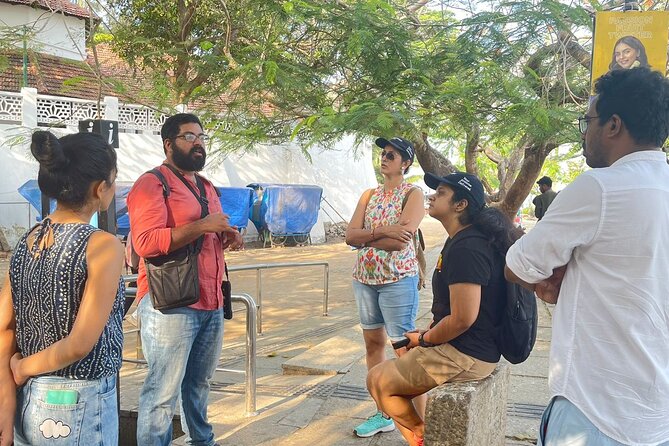
- Small group size (max 8) means you’re not lost in a crowd.
- Street-first storytelling ties big historical shifts to specific corners in Fort Kochi.
- Portuguese influence with context, including culinary and cultural links and darker chapters like the Portuguese slave trade.
- Dutch architecture stops plus Ayurveda connections, including a 17th-century treatise’s relevance.
- Practical breaks built in, with coffee/tea and snacks at a Dutch-themed hotel.
- Ends in the same lively area you want to keep exploring, at Princess Street.
Why Fort Kochi’s European quarter makes sense fast
Fort Kochi can feel like a maze of lanes, facades, and photo spots. This tour helps you see the pattern instead of just collecting images. You walk the remnants of the old European fort town, and the stories explain how Cochin went from being called the Emporium of the World to later earning the title Queen of the Arabian Sea—and then into a modern tourist and art hub.
What I appreciate is that the tour treats history as something you can spot in everyday life: the shapes of buildings, the mix of languages and food influences, and the way older places get reused today. You’re not just told dates. You’re taught how to read the city.
You can also read our reviews of more historical tours in Kochi

Getting started: Folklore Cultural Theatre to the Chinese Fishing Nets
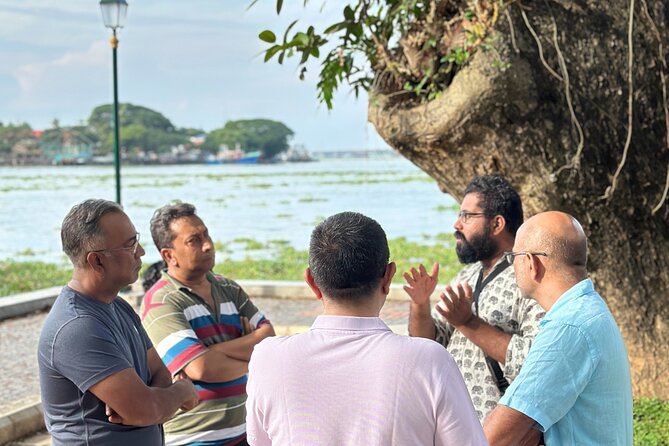
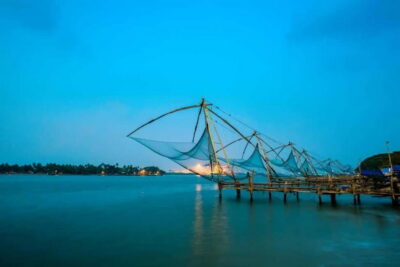
The meeting point is the Folklore Cultural Theatre bus stand building in Fort Kochi. From there, the walk begins near one of the most iconic sights in the area: the Chinese Fishing Nets.
This is a short stop, but it’s a smart one. You get the image first, then the background: you’ll hear the stories tied to Chinese sailors and Malabar. It’s the kind of intro that makes later trade and empire connections click, because you start seeing Cochin as a meeting point for maritime routes, not an isolated town.
Tip for your photos: try to look for the angle where you can show both the nets and the surrounding streets—your camera will capture more context than a tight shot.
Vasco da Gama Square: Portugal’s pepper quest and a local twist
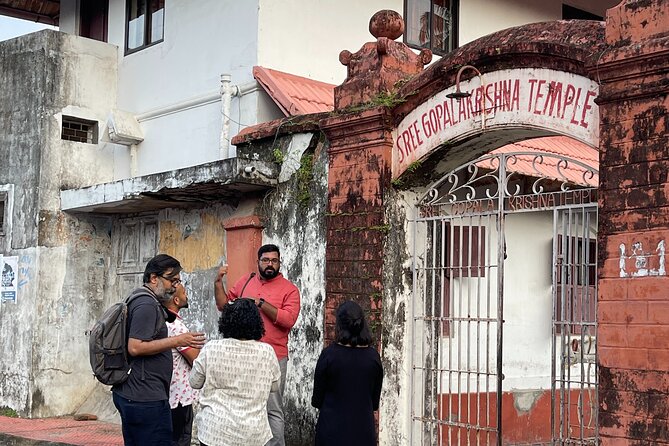
Next up is Vasco da Gama Square, with the Portuguese story front and center. Expect a focus on why the Portuguese set out—searching for pepper and for Christian connections in India.
This stop is useful because it frames Portuguese influence as more than decorative colonial leftovers. It helps you understand the motivations behind the era that left marks on architecture, culture, and everyday life. You also get a clear sense of how European arrivals tied trade, religion, and power together.
If you like history told plainly (with street-level links), this is the moment where the tour starts to feel like a map in motion.
From Santa Cruz to Portuguese Kerala: architecture, cuisine, and the hard parts
The core theme of the middle portion is the beginnings of a European city in India—the fort and the City of Santa Cruz. This is where the tour shifts from general influence to specific local impact.
You’ll learn about Portuguese influences in Kerala, from culture to cuisine and even language echoes. And importantly, the tour doesn’t skip the darker chapter: you’ll hear about the Portuguese slave trade and stories of protective spirits passed on for generations.
That blend is exactly what makes this walk more than a highlight reel. It treats culture as layered—both the visible comfort of food and festivals and the uncomfortable realities that shaped power.
One practical note: this part of the tour can feel more concept-heavy than photo-heavy. If that’s your style, you’ll love it. If you prefer only scenic stops, you may want to pace yourself and take mental breaks between lanes.
David Hall Gallery & Cafe: Dutch design and Ayurveda’s surviving thread
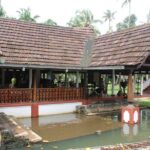
The tour then heads to David Hall Gallery & Cafe, where you’ll connect the dots between Dutch presence and how knowledge traveled. The focus here is Dutch architecture influences in Cochin and a story about a 17th-century treatise that’s still relevant in Ayurveda.
I like this stop because it doesn’t treat European history as only walls and flags. It highlights how ideas and practices moved across the sea—showing up in books, beliefs, and health traditions. If you’re the type who likes how art and science mingle, this is one of the most interesting pauses on the route.
The cafe setting also makes the area feel less like a school trip and more like a real place you could linger after the tour. Even if you just take a moment to look around, the story gains weight when you see how the space works today.



Parade Ground: tea, cricket, and art festivals in one pocket
At Parade Ground, the tone shifts again. Instead of focusing only on fort power, the tour looks at social life through the lens of the era—stories of tea, cricket, and art festivals.
This stop matters because it shows how colonial influence isn’t just about battles. It shapes leisure habits, public gatherings, and what communities celebrate. Even if you’re not a cricket fan, you’ll come away understanding why those references show up in local memory.
It’s also a good breather. You get a short stop to reset before the final coast-facing stretch.
Fort Kochi Beach and the British fight for supremacy
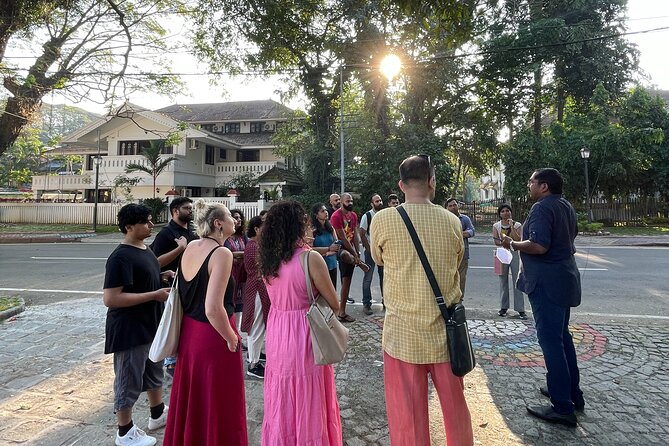
The walk continues to Fort Kochi Beach for stories tied to the British and their struggle for supremacy in the Indian subcontinent. This is where you see how each European power wave fits into a broader competition for control—by trade, by alliances, and by force.
What I like here is that you’re outdoors during the discussion. Hearing about maritime power while you’re near the water makes the whole theme feel physical. The sea isn’t just a backdrop—it’s part of the explanation.
When you’re ready, the tour helps you shift back into exploring mood as it moves toward the end point.
Princess Street finish: colonial charm meeting modern Kochi
As the tour winds down, you’ll end at Princess Street (Fort Nagar area). This is where colonial charm meets modern Kochi, with colorful Portuguese- and Dutch-era buildings and plenty of cafes and art boutiques around.
The value here is simple: you’re dropped in an area where you can continue your evening without needing transport. If you want to grab a snack or follow your own curiosity, you can do it right after the last story lands.
Coffee and snacks: why that Dutch-themed break matters
One of the practical inclusions is coffee and/or tea plus snacks at a Dutch-themed hotel. In a 2–3 hour walk, that matters more than it sounds. It keeps energy steady, especially if you’re navigating sun and humidity (or if weather swings).
I also like that the break connects to the tour’s theme. It’s not a random stop. It’s part of the Indo-European heritage thread, so you don’t feel like you’re being rerouted just for convenience.
Price and value: is $27.96 a good deal?
At about $27.96 per person, this tour sits in the budget-friendly zone for a guided heritage walk. The biggest reason it feels like value is the package: you get a local storyteller, multiple heritage-themed stops, and refreshments/snacks, all within a short time window.
You’re also capped at 8 travelers, which usually makes questions easier and the storytelling more personal. That matters when you’re trying to understand connections between Portuguese, Dutch, and British influences.
If you’re the type who enjoys walking-and-learning more than museum-and-audioguide, this price feels fair for what you get.
If you prefer total freedom with no guided narrative, you might spend less on your own wandering. But you’ll likely miss the connective tissue—the why behind the buildings and street names.
Who should book this tour (and who might not)
This works especially well if you:
- like history that points to real street details
- want a quick orientation to Fort Kochi’s European heritage
- enjoy stories that include both positive cultural mix and hard historical context
- want a small group experience that stays interactive
It may not be your best match if you:
- hate walking in uneven sidewalks
- only want cheerful, light stories and would rather skip difficult topics like the slave trade
- expect a mostly indoor, museum-style visit (this is primarily a walk)
Also note: most people can participate, and service animals are allowed. The tour doesn’t provide certain items like umbrellas or raincoats, so pack for weather.
Quick planning tips that make the tour smoother
A few small choices can help a lot:
- Wear comfortable shoes—this is a walking format across a compact area.
- Bring a light layer if evenings feel cooler.
- If rain is possible, plan without relying on the tour to provide umbrellas.
- Use the mobile ticket on your phone so check-in is fast.
- If you want time to continue after the tour, keep some loose time for Princess Street.
Should you book this Fort Cochin Heritage Tour?
Yes, if you want a guided, story-led way to understand Fort Kochi beyond postcard views. The strongest payoff for me is the balance: Portuguese, Dutch, and British influence are explained with visible clues, and the best moments come when the guide ties architecture and culture to the bigger forces that shaped Cochin.
If you’re happy with a 2–3 hour walk and you can handle weather conditions, this tour is an easy recommendation for first-timers and repeat visitors alike.
FAQ
How long is the Fort Cochin Heritage Tour?
It runs for about 2 to 3 hours.
What is the price per person?
The price is $27.96 per person.
Where does the tour start and end?
It starts at the Folklore Cultural Theatre bus stand building in Fort Kochi and ends at Princess Street (Fort Nagar), Fort Kochi.
Is entry into heritage monuments included?
You do not enter heritage monuments except for what is mentioned in the inclusions.
What’s included in the tour?
Coffee and/or tea plus snacks, a tour led by a local storyteller, and visits to Indo-European heritage structures and establishments including their modern day adaptations.
What happens if the weather is poor?
The experience requires good weather. If it’s canceled due to poor weather, you’ll be offered a different date or a full refund.